



Gifting Made Simple
Give the Gift of ChoiceClick below to purchase a Bramalea City Centre eGift Card that can be used at participating retailers at Bramalea City Centre.Purchase HereHome
Loss: The Politics of Mourning
Coles
Loading Inventory...
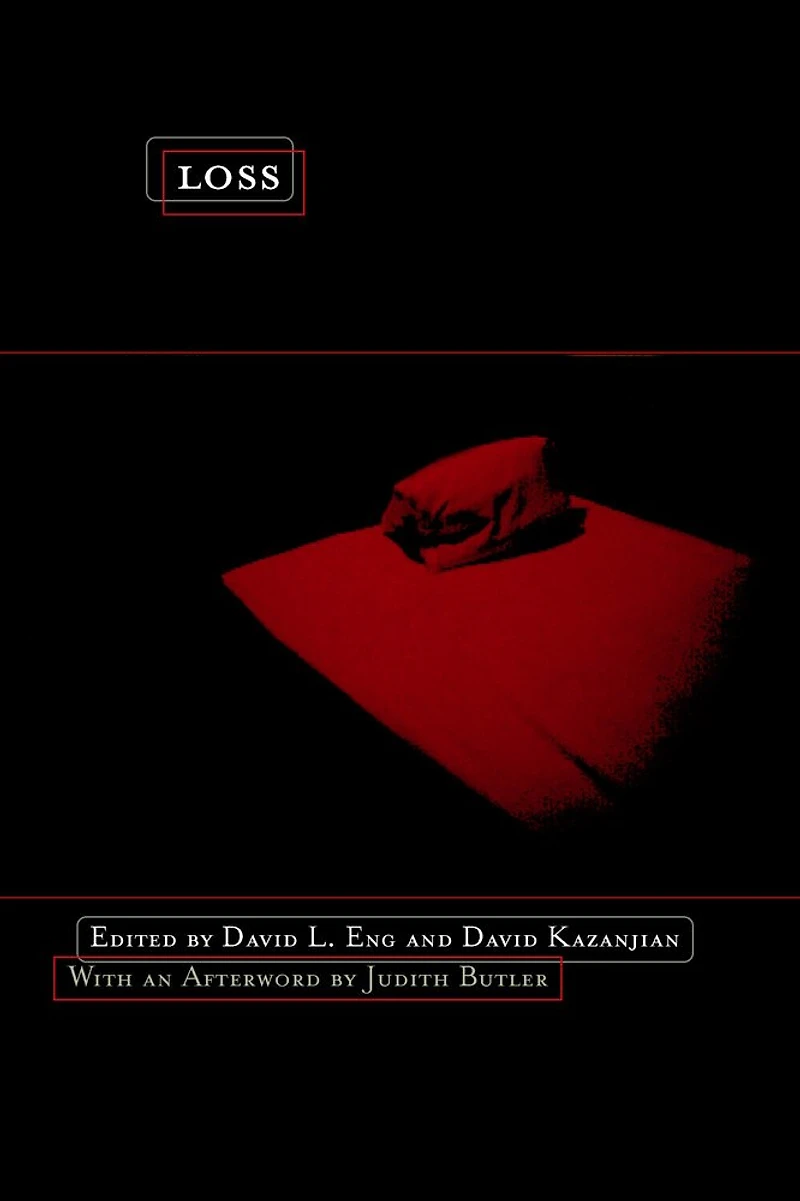
Loss: The Politics of Mourning in Brampton, ON
Current price: $49.54
Coles
Loss: The Politics of Mourning in Brampton, ON
Current price: $49.54
Loading Inventory...
Size: Paperback
*Product information and pricing may vary - to confirm current pricing, availability, shipping, and return information please contact Coles. In the event of a pricing discrepancy, the retailer's price will apply.
Taking stock of a century of pervasive loss—of warfare, disease, and political strife—this eloquent book opens a new view on both the past and the future by considering "what is lost" in terms of "what remains." Such a perspective, these essays suggest, engages and reanimates history. Plumbing the cultural and political implications of loss, the authors--political theorists, film and literary critics, museum curators, feminists, psychoanalysts, and AIDS activists--expose the humane and productive possibilities in the workings of witness, memory, and melancholy.
Among the sites of loss the authors revisit are slavery, apartheid, genocide, war, diaspora, migration, suicide, and disease. Their subjects range from the Irish Famine and the Ottoman slaughter of Armenians to the aftermath of the Vietnam War and apartheid in South Africa, problems of partial immigration and assimilation, AIDS, and the re-envisioning of leftist movements. In particular, Loss reveals how melancholia can lend meaning and force to notions of activism, ethics, and identity.
Taking stock of a century of pervasive loss—of warfare, disease, and political strife—this eloquent book opens a new view on both the past and the future by considering "what is lost" in terms of "what remains." Such a perspective, these essays suggest, engages and reanimates history. Plumbing the cultural and political implications of loss, the authors--political theorists, film and literary critics, museum curators, feminists, psychoanalysts, and AIDS activists--expose the humane and productive possibilities in the workings of witness, memory, and melancholy.
Among the sites of loss the authors revisit are slavery, apartheid, genocide, war, diaspora, migration, suicide, and disease. Their subjects range from the Irish Famine and the Ottoman slaughter of Armenians to the aftermath of the Vietnam War and apartheid in South Africa, problems of partial immigration and assimilation, AIDS, and the re-envisioning of leftist movements. In particular, Loss reveals how melancholia can lend meaning and force to notions of activism, ethics, and identity.
You May Also Like








Find at Bramalea City Centre in Brampton, ON
Visit at Bramalea City Centre in Brampton, ON