



Gifting Made Simple
Give the Gift of ChoiceClick below to purchase a Bramalea City Centre eGift Card that can be used at participating retailers at Bramalea City Centre.Purchase HereHome
Logic and Science: An Exploration of Logical Anti-Exceptionalism
Coles
Loading Inventory...
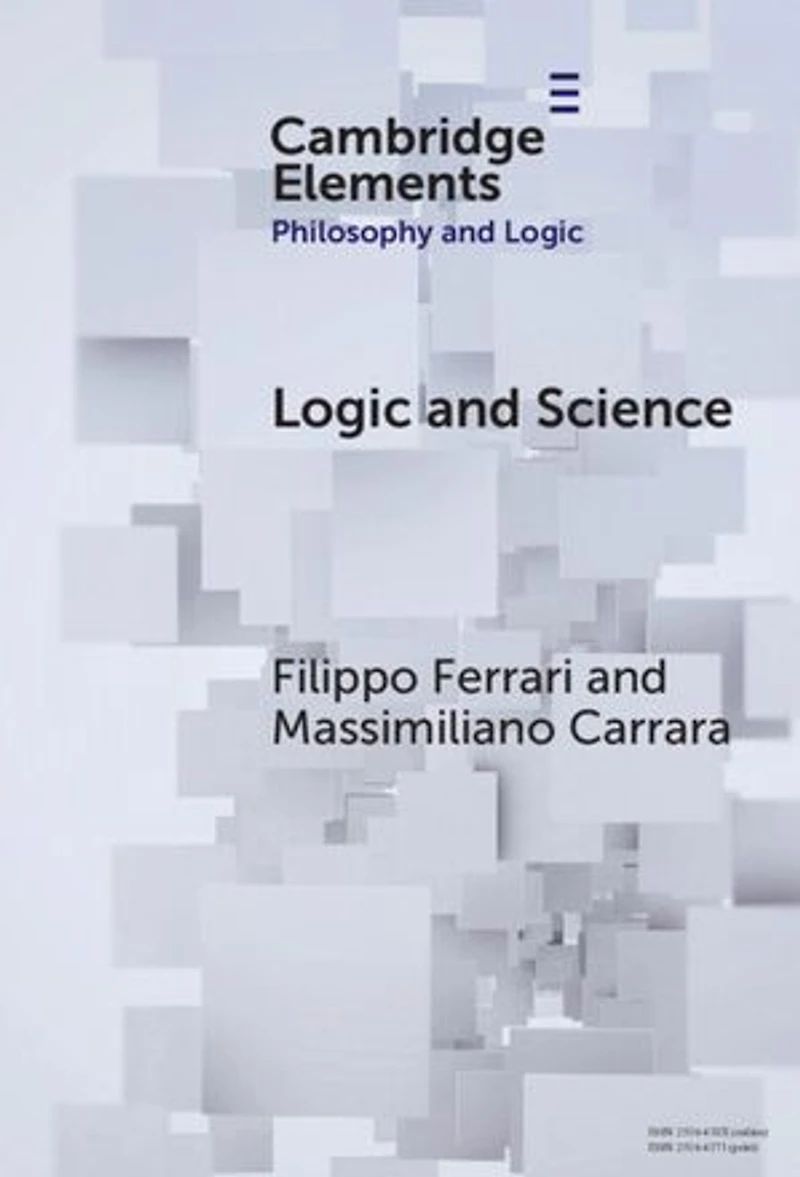
Logic and Science: An Exploration of Logical Anti-Exceptionalism in Brampton, ON
Current price: $23.19
Original price: $28.95
Coles
Logic and Science: An Exploration of Logical Anti-Exceptionalism in Brampton, ON
Current price: $23.19
Original price: $28.95
Loading Inventory...
Size: Kobo eBook
*Product information and pricing may vary - to confirm current pricing, availability, shipping, and return information please contact Coles. In the event of a pricing discrepancy, the retailer's price will apply.
This Element delves into the relationship between logic and the sciences, a topic brought to prominence by Quine, who regarded logic as methodologically and epistemologically akin to the sciences. For this reason, Quine is seen as the forefather of anti-exceptionalism about logic (AEL), a stance that has become prevalent in the philosophy of logic today. Despite its popularity and the volume of research it inspires, some core issues still lack clarity. For one thing, most works in the debate remain vague on what should count as logic and what should count as a science. Furthermore, the terms of the comparison are rarely specified and discussed in a systematic way. This Element purports to advance the debate on these crucial issues with the hope of fostering our understanding of the fundamentals of AEL. This title is also available as Open Access on Cambridge Core.
This Element delves into the relationship between logic and the sciences, a topic brought to prominence by Quine, who regarded logic as methodologically and epistemologically akin to the sciences. For this reason, Quine is seen as the forefather of anti-exceptionalism about logic (AEL), a stance that has become prevalent in the philosophy of logic today. Despite its popularity and the volume of research it inspires, some core issues still lack clarity. For one thing, most works in the debate remain vague on what should count as logic and what should count as a science. Furthermore, the terms of the comparison are rarely specified and discussed in a systematic way. This Element purports to advance the debate on these crucial issues with the hope of fostering our understanding of the fundamentals of AEL. This title is also available as Open Access on Cambridge Core.
You May Also Like








Find at Bramalea City Centre in Brampton, ON
Visit at Bramalea City Centre in Brampton, ON