



Gifting Made Simple
Give the Gift of ChoiceClick below to purchase a Bramalea City Centre eGift Card that can be used at participating retailers at Bramalea City Centre.Purchase HereHome
Lions or Jellyfish: Newfoundland-Ottawa Relations Since 1957
Coles
Loading Inventory...


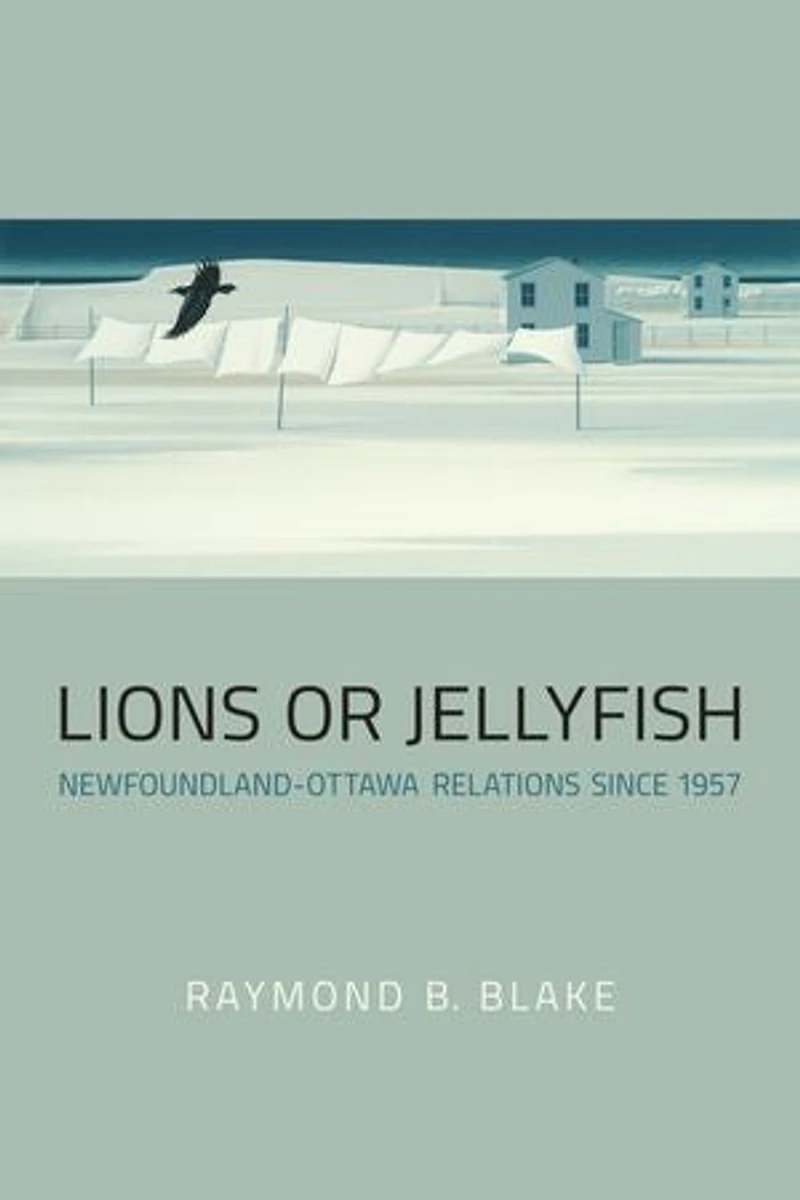

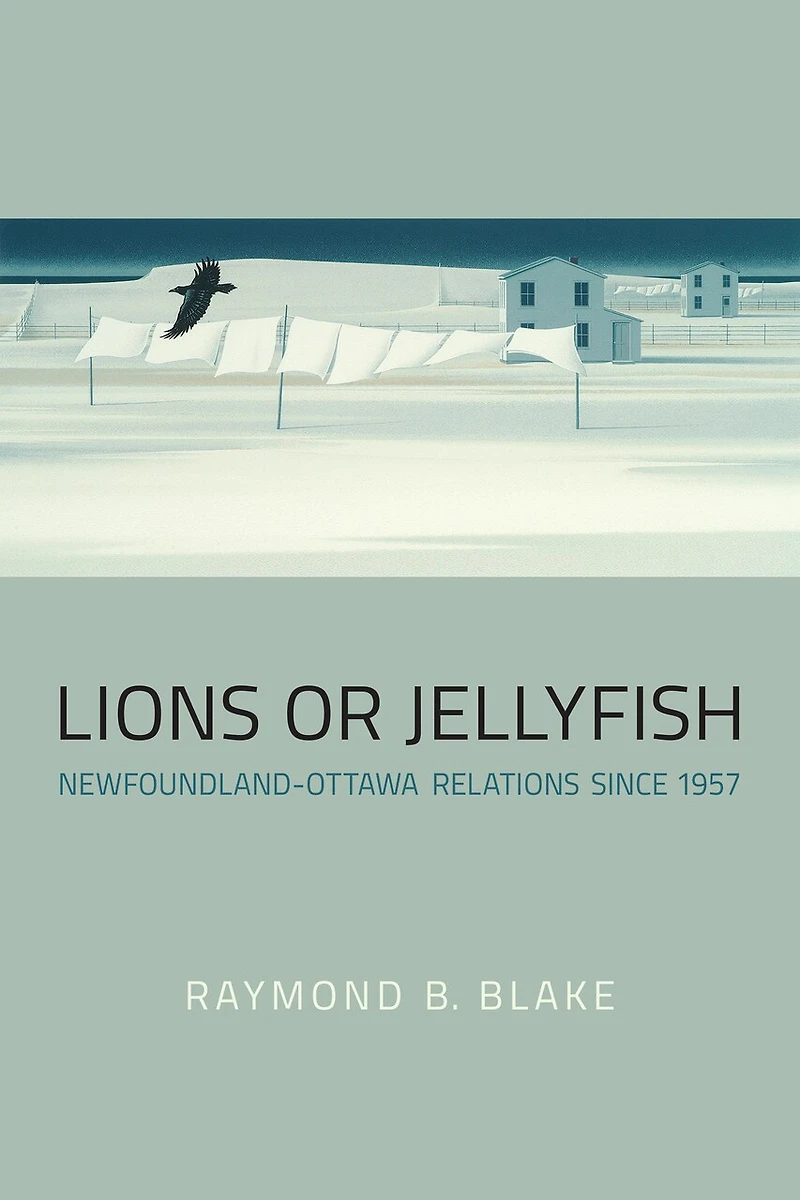
Lions or Jellyfish: Newfoundland-Ottawa Relations Since 1957 in Brampton, ON
Current price: $100.00
Coles
Lions or Jellyfish: Newfoundland-Ottawa Relations Since 1957 in Brampton, ON
Current price: $100.00
Loading Inventory...
Size: Hardcover
*Product information and pricing may vary - to confirm current pricing, availability, shipping, and return information please contact Coles. In the event of a pricing discrepancy, the retailer's price will apply.
When Newfoundland entered the Canadian Confederation in 1949, it was hoped it would promote greater unity between the Maritime provinces, as Term 29 of the Newfoundland Act explicitly linked the region's economic and political fortunes. On the surface, the union seemed like an unprecedented opportunity to resurrect the regional spirit of the Maritime Rights movement of the 1920s, which advocated a cooperative approach to addressing regional underdevelopment. However, Newfoundland's arrival did little at first to bring about a comprehensive Atlantic Canadian regionalism.
Inventing Atlantic Canada is the first book to analyse the reaction of the Maritime provinces to Newfoundland's entry into Confederation. Drawing on editorials,
government documents, and political papers, Corey Slumkoski examines how each Maritime province used the addition of a new provincial cousin to fight underdevelopment. Slumkoski also details the rise of regional cooperation characterized by the Atlantic Revolution of the mid-1950s, when Maritime leaders began to realize that by acting in isolation their situations would only worsen.
When Newfoundland entered the Canadian Confederation in 1949, it was hoped it would promote greater unity between the Maritime provinces, as Term 29 of the Newfoundland Act explicitly linked the region's economic and political fortunes. On the surface, the union seemed like an unprecedented opportunity to resurrect the regional spirit of the Maritime Rights movement of the 1920s, which advocated a cooperative approach to addressing regional underdevelopment. However, Newfoundland's arrival did little at first to bring about a comprehensive Atlantic Canadian regionalism.
Inventing Atlantic Canada is the first book to analyse the reaction of the Maritime provinces to Newfoundland's entry into Confederation. Drawing on editorials,
government documents, and political papers, Corey Slumkoski examines how each Maritime province used the addition of a new provincial cousin to fight underdevelopment. Slumkoski also details the rise of regional cooperation characterized by the Atlantic Revolution of the mid-1950s, when Maritime leaders began to realize that by acting in isolation their situations would only worsen.
You May Also Like

















Find at Bramalea City Centre in Brampton, ON
Visit at Bramalea City Centre in Brampton, ON