



Gifting Made Simple
Give the Gift of ChoiceClick below to purchase a Bramalea City Centre eGift Card that can be used at participating retailers at Bramalea City Centre.Purchase HereHome
Leaving Christian Fundamentalism and the Reconstruction of Identity
Coles
Loading Inventory...
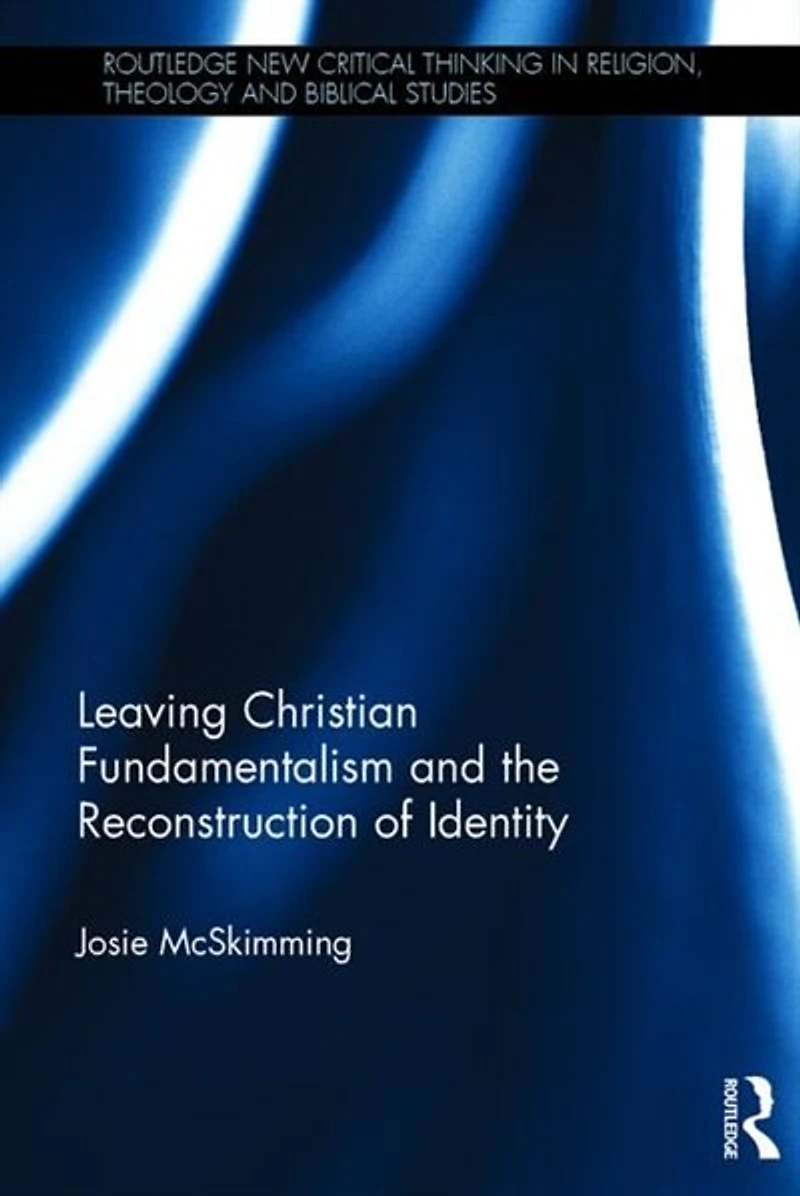
Leaving Christian Fundamentalism and the Reconstruction of Identity in Brampton, ON
Current price: $333.50
Coles
Leaving Christian Fundamentalism and the Reconstruction of Identity in Brampton, ON
Current price: $333.50
Loading Inventory...
Size: Hardcover
*Product information and pricing may vary - to confirm current pricing, availability, shipping, and return information please contact Coles. In the event of a pricing discrepancy, the retailer's price will apply.
There is an increasing interest in the influence of religious fundamentalism upon people's motivation, identity and decision-making. Leaving Christian Fundamentalism and the Re-construction of Identity details the stories of those who have left Christian fundamentalist churches and how they change after they have left. It considers how the previous fundamentalist identity is shaped by aspects of church teaching and discipline that are less authoritarian and coercive, and more subtle and widely spread throughout the church body. That is, individuals are understood as not only subject to a form of judgment, but also exercise it, with everyone seemingly complicit in maintaining the stability of the church organisation. This book provocatively illustrates that the reasons for leaving an evangelical Christian church may be less about what happens outside the church in terms of the lures and attractions of the secular world, and more about the experience within the community itself.
There is an increasing interest in the influence of religious fundamentalism upon people's motivation, identity and decision-making. Leaving Christian Fundamentalism and the Re-construction of Identity details the stories of those who have left Christian fundamentalist churches and how they change after they have left. It considers how the previous fundamentalist identity is shaped by aspects of church teaching and discipline that are less authoritarian and coercive, and more subtle and widely spread throughout the church body. That is, individuals are understood as not only subject to a form of judgment, but also exercise it, with everyone seemingly complicit in maintaining the stability of the church organisation. This book provocatively illustrates that the reasons for leaving an evangelical Christian church may be less about what happens outside the church in terms of the lures and attractions of the secular world, and more about the experience within the community itself.
You May Also Like










Find at Bramalea City Centre in Brampton, ON
Visit at Bramalea City Centre in Brampton, ON