



Gifting Made Simple
Give the Gift of ChoiceClick below to purchase a Bramalea City Centre eGift Card that can be used at participating retailers at Bramalea City Centre.Purchase HereHome
Learning to Teach the Digital Age: New Materialities and Maker Paradigms Schools
Coles
Loading Inventory...
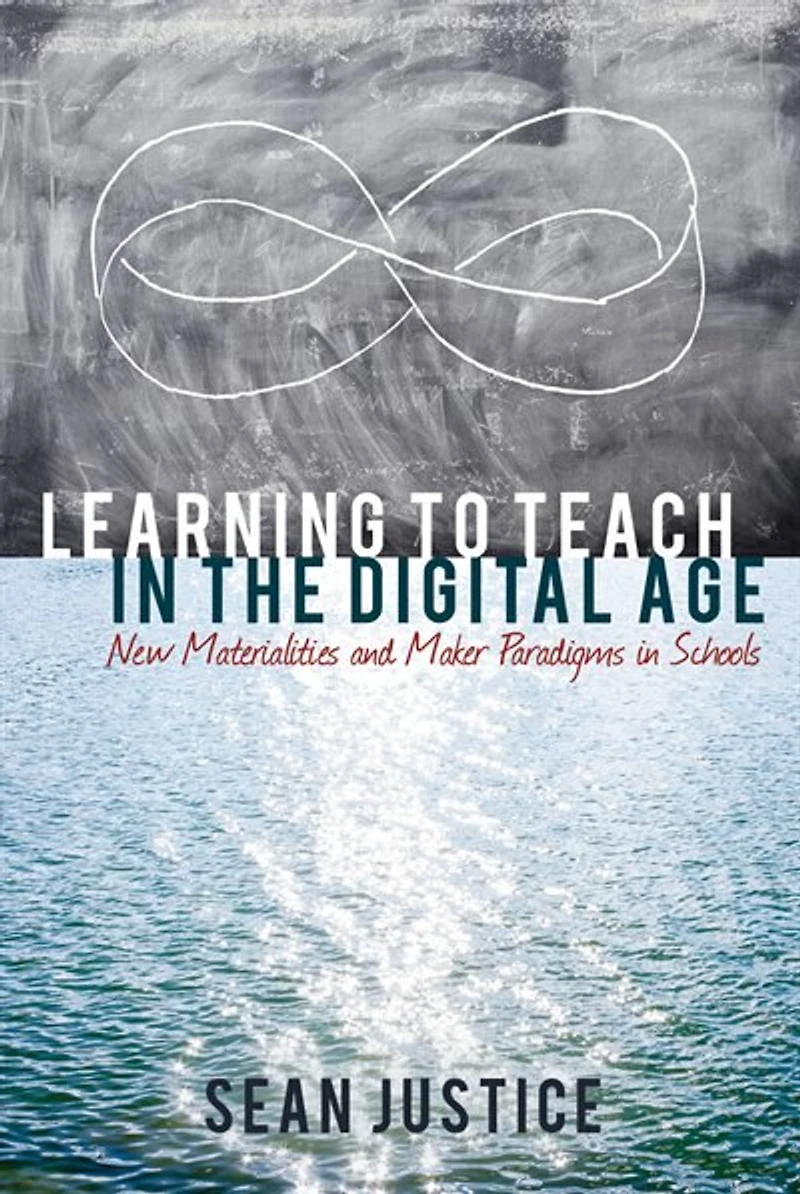
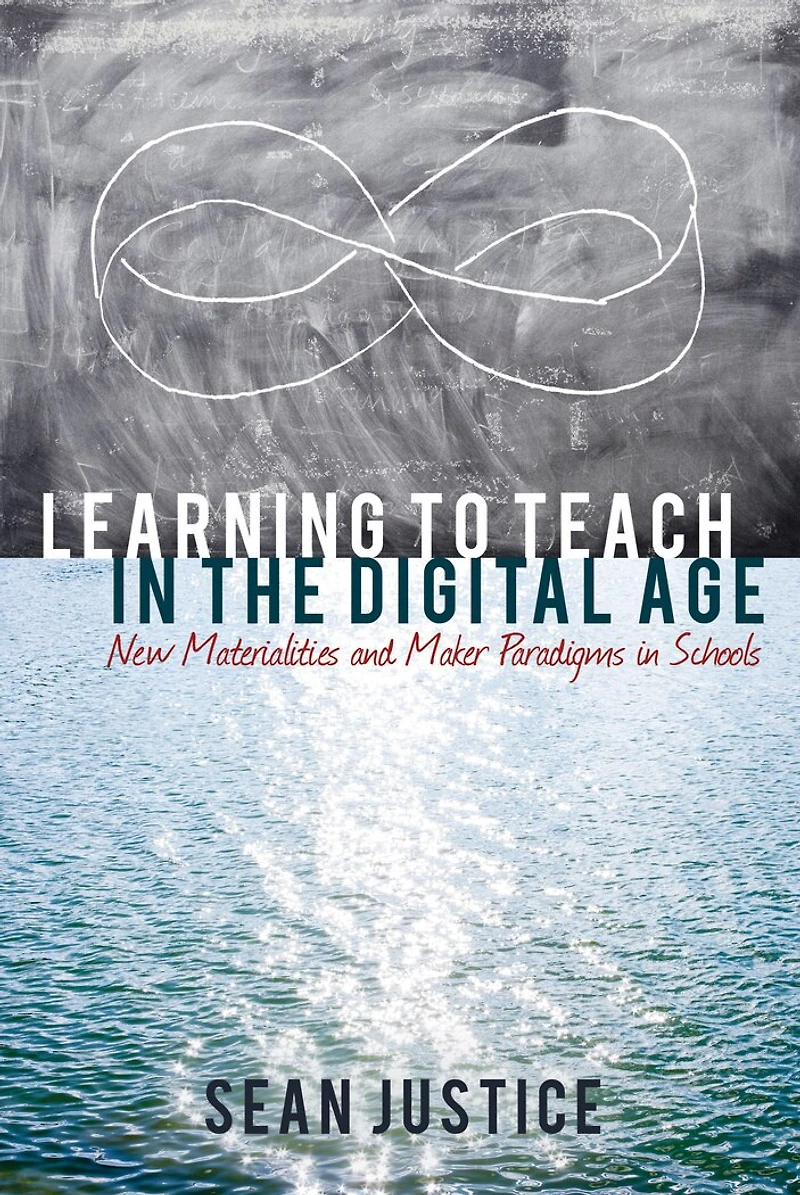
Learning to Teach the Digital Age: New Materialities and Maker Paradigms Schools in Brampton, ON
Current price: $155.75
Coles
Learning to Teach the Digital Age: New Materialities and Maker Paradigms Schools in Brampton, ON
Current price: $155.75
Loading Inventory...
Size: Hardcover
*Product information and pricing may vary - to confirm current pricing, availability, shipping, and return information please contact Coles. In the event of a pricing discrepancy, the retailer's price will apply.
Learning to Teach in the Digital Age tells the story of a group of K–12 teachers as they began to connect with digital making and learning pedagogies. Guiding questions at the heart of this qualitative case study asked how teaching practices engaged with and responded to the maker movement and digital making and learning tools and materials. Over the course of one school year, Sean Justice attended to the ebb and flow of teaching and learning at an independent K–12 girls school the northeastern United States. Teachers and administrators from across grade levels and academic domains participated in interviews and casual conversations, and opened their classrooms to ad hoc observations. In conducting the study, Justice interwove a sociomaterial disposition with new materialism, posthumanism, and new media theory. Methods were inspired by narrative inquiry and actor-network theory. Findings suggested that digital making and learning pedagogies were stabilizing at the school, but not in a linear way. Further, Justice suggests that the teaching practices that most engaged the ethos of twenty-first-century learning enacted a kind of learning we hear about from artists, writers, scientists, and mathematicians when they talk about what innovation feels like, leading to the proposition that a different kind of language is needed to describe the effects of digital materialities on teaching practice.
Learning to Teach in the Digital Age tells the story of a group of K–12 teachers as they began to connect with digital making and learning pedagogies. Guiding questions at the heart of this qualitative case study asked how teaching practices engaged with and responded to the maker movement and digital making and learning tools and materials. Over the course of one school year, Sean Justice attended to the ebb and flow of teaching and learning at an independent K–12 girls school the northeastern United States. Teachers and administrators from across grade levels and academic domains participated in interviews and casual conversations, and opened their classrooms to ad hoc observations. In conducting the study, Justice interwove a sociomaterial disposition with new materialism, posthumanism, and new media theory. Methods were inspired by narrative inquiry and actor-network theory. Findings suggested that digital making and learning pedagogies were stabilizing at the school, but not in a linear way. Further, Justice suggests that the teaching practices that most engaged the ethos of twenty-first-century learning enacted a kind of learning we hear about from artists, writers, scientists, and mathematicians when they talk about what innovation feels like, leading to the proposition that a different kind of language is needed to describe the effects of digital materialities on teaching practice.
You May Also Like



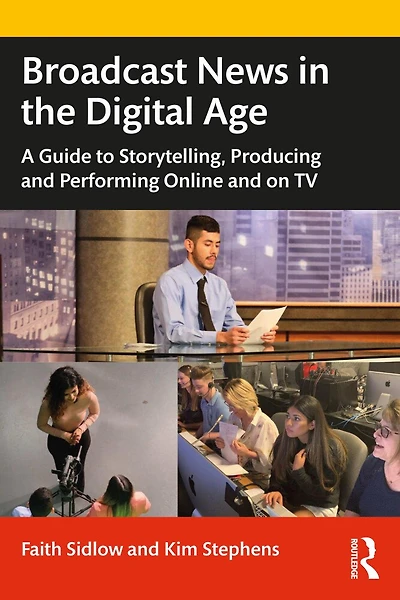
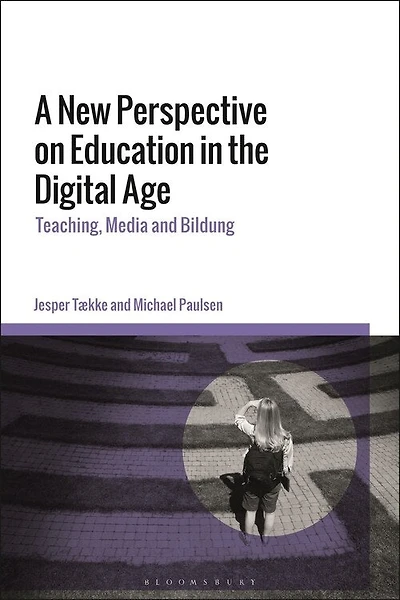









Find at Bramalea City Centre in Brampton, ON
Visit at Bramalea City Centre in Brampton, ON