



Gifting Made Simple
Give the Gift of ChoiceClick below to purchase a Bramalea City Centre eGift Card that can be used at participating retailers at Bramalea City Centre.Purchase HereHome
Labour Rights and the Catholic Church: International Organisation, Holy See Social Teaching
Coles
Loading Inventory...
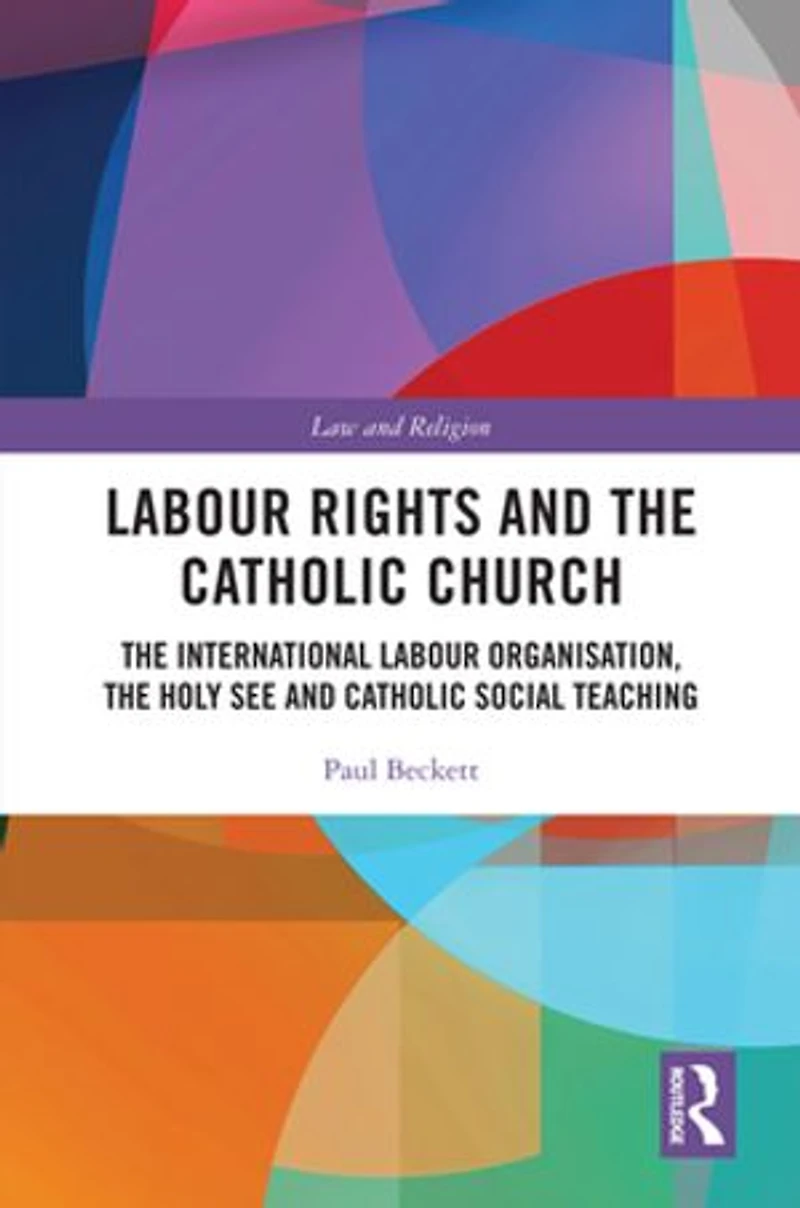
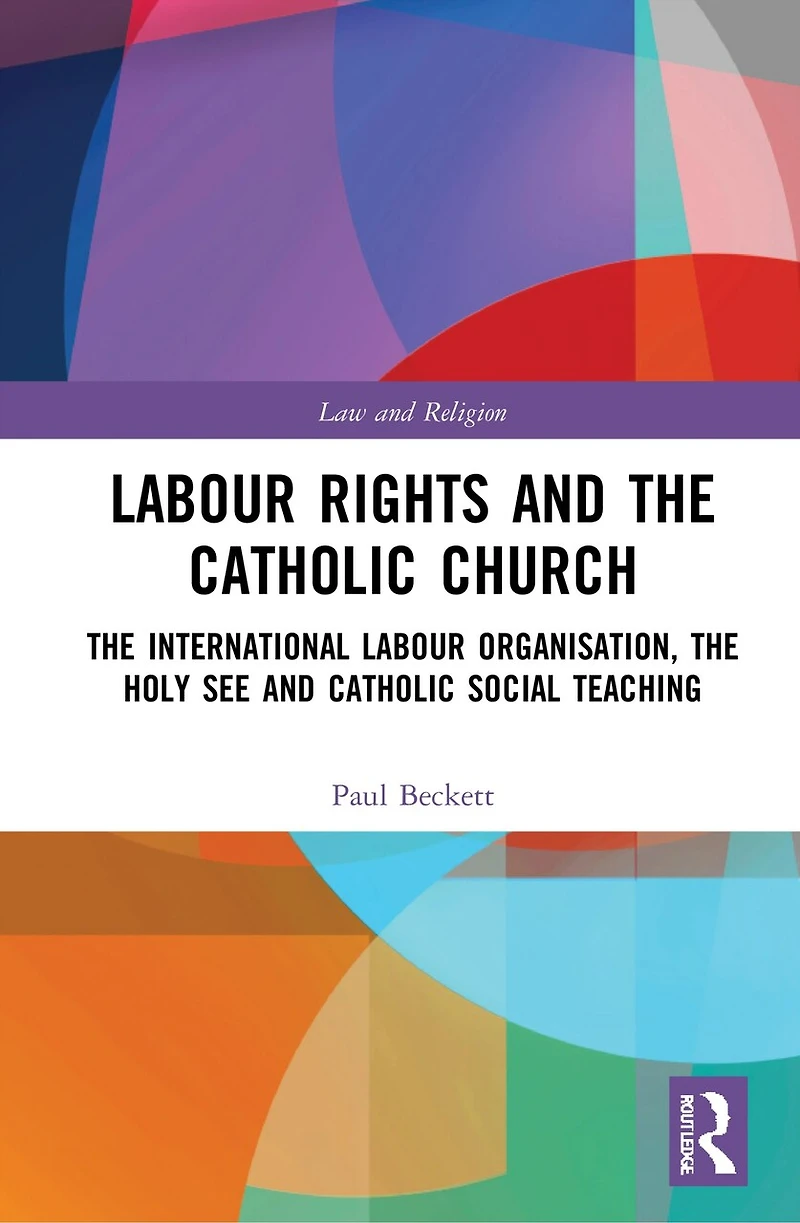
Labour Rights and the Catholic Church: International Organisation, Holy See Social Teaching in Brampton, ON
Current price: $82.78
Coles
Labour Rights and the Catholic Church: International Organisation, Holy See Social Teaching in Brampton, ON
Current price: $82.78
Loading Inventory...
Size: Kobo eBook
*Product information and pricing may vary - to confirm current pricing, availability, shipping, and return information please contact Coles. In the event of a pricing discrepancy, the retailer's price will apply.
This book explores the extent of parallelism and cross-influence between Catholic Social Teaching and the work of the world's oldest human rights institution, the International Labour Organisation (ILO). Sometimes there is a mutual attraction between seeming opposites who in fact share a common goal. This book is about just such an attraction between a secular organisation born of the political desire for peace and justice, and a metaphysical institution much older founded to bring peace and justice on earth. It examines the principles evident in the teachings of the Catholic Church and in the secular philosophy of the ILO; together with the theological basis of the relevant provisions of Catholic Social Teaching and of the socio-political origins and basis of the ILO. The spectrum of labour rights covered in the book extends from the right to press for rights, i.e., collective bargaining, to rights themselves - conditions in work - and on to post-employment rights in the form of social security and pensions. The extent of the parallelism and cross-influence is reviewed from the issue of the Papal Encyclical of Pope Leo XIII Rerum Novarum (1891) and from the founding of the ILO in 1919. This book is intended to appeal to lay, professional and academic alike, and will be of interest to researchers and academics working in the areas of international human rights, theology, comparative philosophy, history and social and political studies. On 4 January 2021 it was granted an Imprimatur by the Roman Catholic Archbishop of Liverpool, Malcolm P. McMahon O.P., meaning that the Catholic Church is satisfied that the book is free of doctrinal or moral error.
This book explores the extent of parallelism and cross-influence between Catholic Social Teaching and the work of the world's oldest human rights institution, the International Labour Organisation (ILO). Sometimes there is a mutual attraction between seeming opposites who in fact share a common goal. This book is about just such an attraction between a secular organisation born of the political desire for peace and justice, and a metaphysical institution much older founded to bring peace and justice on earth. It examines the principles evident in the teachings of the Catholic Church and in the secular philosophy of the ILO; together with the theological basis of the relevant provisions of Catholic Social Teaching and of the socio-political origins and basis of the ILO. The spectrum of labour rights covered in the book extends from the right to press for rights, i.e., collective bargaining, to rights themselves - conditions in work - and on to post-employment rights in the form of social security and pensions. The extent of the parallelism and cross-influence is reviewed from the issue of the Papal Encyclical of Pope Leo XIII Rerum Novarum (1891) and from the founding of the ILO in 1919. This book is intended to appeal to lay, professional and academic alike, and will be of interest to researchers and academics working in the areas of international human rights, theology, comparative philosophy, history and social and political studies. On 4 January 2021 it was granted an Imprimatur by the Roman Catholic Archbishop of Liverpool, Malcolm P. McMahon O.P., meaning that the Catholic Church is satisfied that the book is free of doctrinal or moral error.
You May Also Like









Find at Bramalea City Centre in Brampton, ON
Visit at Bramalea City Centre in Brampton, ON