



Gifting Made Simple
Give the Gift of ChoiceClick below to purchase a Bramalea City Centre eGift Card that can be used at participating retailers at Bramalea City Centre.Purchase HereHome
Kinshasa Convention: Convention for the Control of Small Arms and Light Weapons
Coles
Loading Inventory...
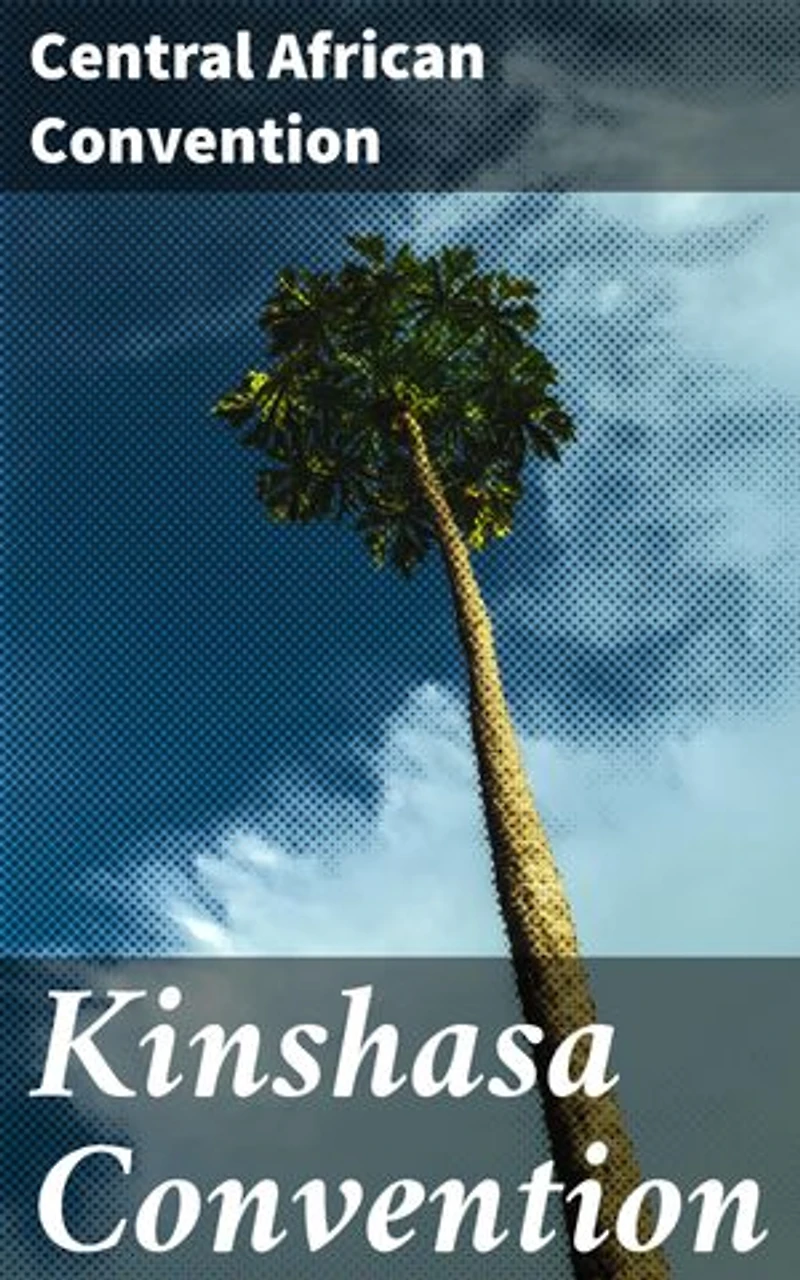
Kinshasa Convention: Convention for the Control of Small Arms and Light Weapons in Brampton, ON
Current price: $1.99
Coles
Kinshasa Convention: Convention for the Control of Small Arms and Light Weapons in Brampton, ON
Current price: $1.99
Loading Inventory...
Size: Kobo eBook
*Product information and pricing may vary - to confirm current pricing, availability, shipping, and return information please contact Coles. In the event of a pricing discrepancy, the retailer's price will apply.
The Kinshasa Convention is a pivotal document that outlines the framework for regional cooperation in Central Africa, focusing on natural resource management and mutual legal assistance among member states. Written in a formal, yet accessible style, the convention underscores the significance of nations coming together to address transboundary issues in the context of environmental sustainability and socio-economic development. This text is rooted in a contemporary literary context that emphasizes collaboration in international law, reflecting on the principles of regional integration and environment-focused governance in a post-colonial landscape. The Central African Convention serves as a cornerstone for exploring collective approaches to shared challenges in this resource-rich yet economically diverse region. The motivations of its creators stem from a need to mitigate conflicts arising from resource exploitation and to promote a sustainable governance model among Central African nations. Their insights into the historical and socio-political dynamics of the region have significantly influenced the principles laid out in the convention. I highly recommend the Kinshasa Convention to scholars, policymakers, and anyone interested in international relations and environmental law. It not only offers a valuable legal framework but also opens a dialogue on the practicalities and challenges of regional cooperation in Central Africa, making it an essential read for understanding current and future ecological and geopolitical trends.
The Kinshasa Convention is a pivotal document that outlines the framework for regional cooperation in Central Africa, focusing on natural resource management and mutual legal assistance among member states. Written in a formal, yet accessible style, the convention underscores the significance of nations coming together to address transboundary issues in the context of environmental sustainability and socio-economic development. This text is rooted in a contemporary literary context that emphasizes collaboration in international law, reflecting on the principles of regional integration and environment-focused governance in a post-colonial landscape. The Central African Convention serves as a cornerstone for exploring collective approaches to shared challenges in this resource-rich yet economically diverse region. The motivations of its creators stem from a need to mitigate conflicts arising from resource exploitation and to promote a sustainable governance model among Central African nations. Their insights into the historical and socio-political dynamics of the region have significantly influenced the principles laid out in the convention. I highly recommend the Kinshasa Convention to scholars, policymakers, and anyone interested in international relations and environmental law. It not only offers a valuable legal framework but also opens a dialogue on the practicalities and challenges of regional cooperation in Central Africa, making it an essential read for understanding current and future ecological and geopolitical trends.
You May Also Like
















Find at Bramalea City Centre in Brampton, ON
Visit at Bramalea City Centre in Brampton, ON