



Gifting Made Simple
Give the Gift of ChoiceClick below to purchase a Bramalea City Centre eGift Card that can be used at participating retailers at Bramalea City Centre.Purchase HereHome
Kant on Reality, Cause, and Force: From the Early Modern Tradition to Critical Philosophy
Coles
Loading Inventory...
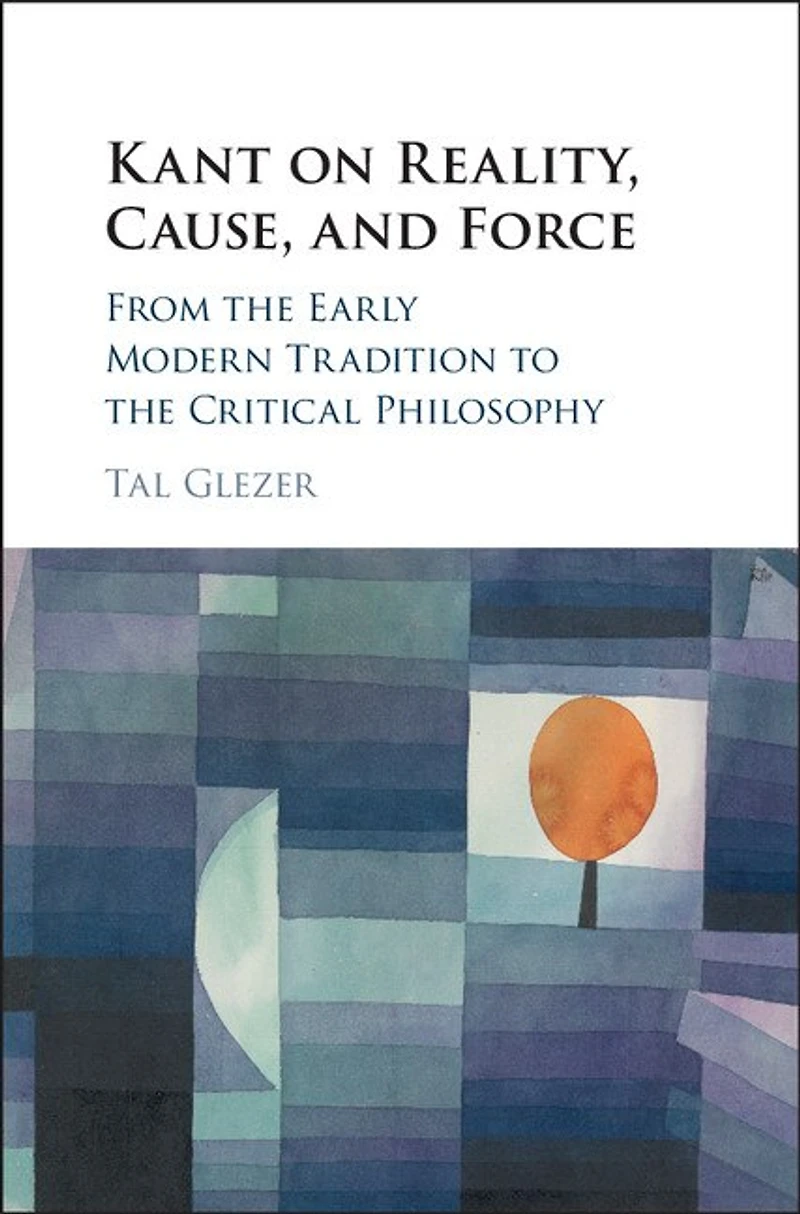
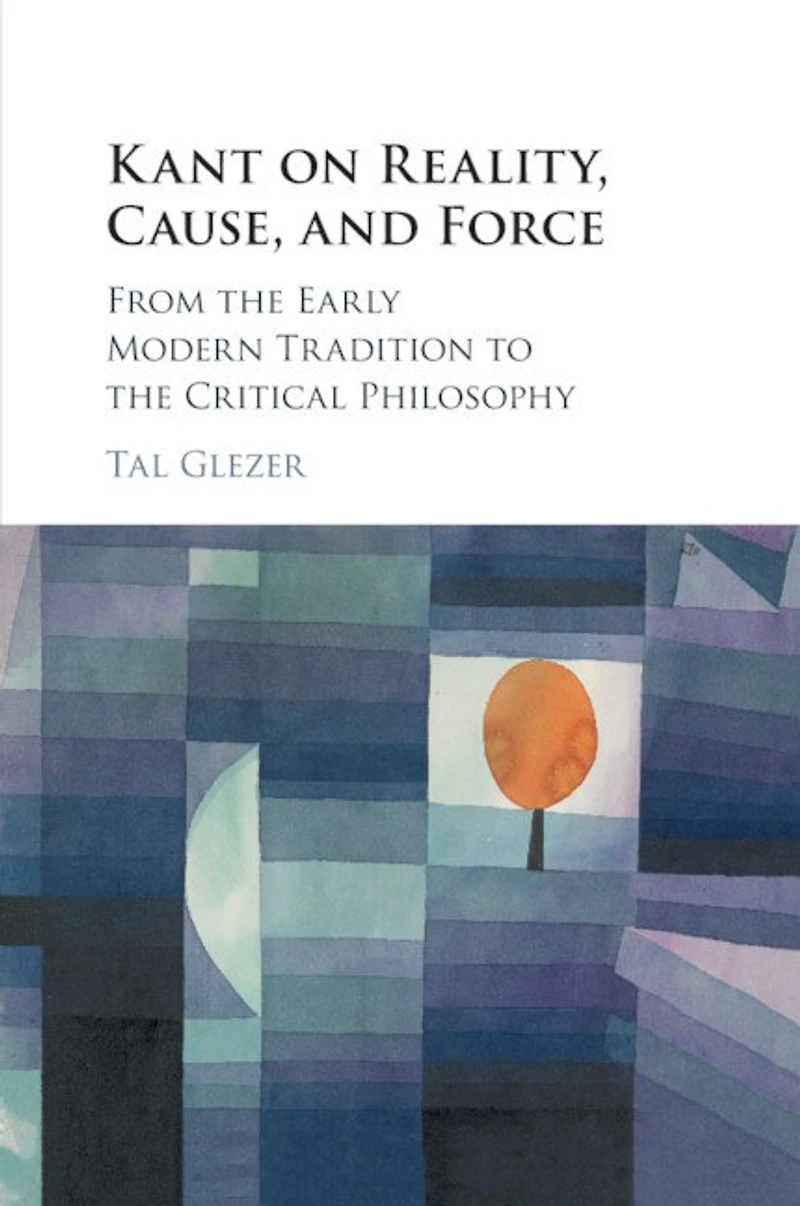
Kant on Reality, Cause, and Force: From the Early Modern Tradition to Critical Philosophy in Brampton, ON
Current price: $152.95
Coles
Kant on Reality, Cause, and Force: From the Early Modern Tradition to Critical Philosophy in Brampton, ON
Current price: $152.95
Loading Inventory...
Size: Hardcover
*Product information and pricing may vary - to confirm current pricing, availability, shipping, and return information please contact Coles. In the event of a pricing discrepancy, the retailer's price will apply.
Kant's category of reality is an often overlooked element of his Critique of Pure Reason. Tal Glezer shows that it nevertheless belongs at the core of Kant's mature critical philosophy: it captures an issue that motivated his critical turn, shaped his theory of causation, and established the role of his philosophy of science. Glezer's study traces the roots of Kant's category of reality to early modern debates over the intelligibility of substantial forms, fueled by the tension between the idea of non-extended substances and that of extended objects. This tension influenced Kant's pre-critical work, and eventually inspired his radical break towards transcendental idealism. Glezer explores the importance of reality for Kant's conceptions of cause and force, and sheds new light on his philosophy of physical science, including gravity. His book will interest scholars of Kant and of early modern philosophy, as well as historians of scientific ideas.
Kant's category of reality is an often overlooked element of his Critique of Pure Reason. Tal Glezer shows that it nevertheless belongs at the core of Kant's mature critical philosophy: it captures an issue that motivated his critical turn, shaped his theory of causation, and established the role of his philosophy of science. Glezer's study traces the roots of Kant's category of reality to early modern debates over the intelligibility of substantial forms, fueled by the tension between the idea of non-extended substances and that of extended objects. This tension influenced Kant's pre-critical work, and eventually inspired his radical break towards transcendental idealism. Glezer explores the importance of reality for Kant's conceptions of cause and force, and sheds new light on his philosophy of physical science, including gravity. His book will interest scholars of Kant and of early modern philosophy, as well as historians of scientific ideas.
You May Also Like









Find at Bramalea City Centre in Brampton, ON
Visit at Bramalea City Centre in Brampton, ON