



Gifting Made Simple
Give the Gift of ChoiceClick below to purchase a Bramalea City Centre eGift Card that can be used at participating retailers at Bramalea City Centre.Purchase HereHome
Kant and the Problem of Nothingness: A Latin American Study and Critique
Coles
Loading Inventory...
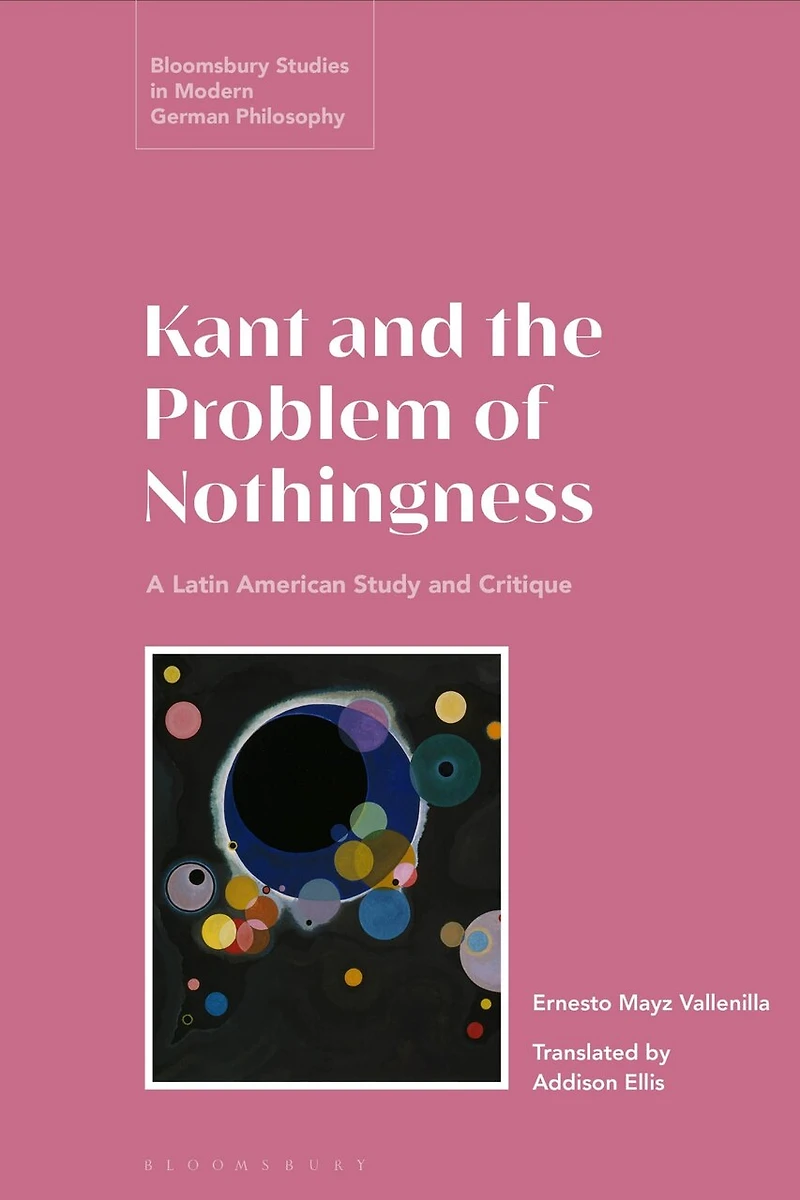
Kant and the Problem of Nothingness: A Latin American Study and Critique in Brampton, ON
Current price: $175.50
Coles
Kant and the Problem of Nothingness: A Latin American Study and Critique in Brampton, ON
Current price: $175.50
Loading Inventory...
Size: Hardcover
*Product information and pricing may vary - to confirm current pricing, availability, shipping, and return information please contact Coles. In the event of a pricing discrepancy, the retailer's price will apply.
The Latin American philosopher Ernesto Mayz Vallenilla published the first study of Kant's concept of nothingness in 1965. This translation of Mayz Vallenilla's ground-breaking work makes it available in English for the first time. Mayz Vallenilla's interpretation is deeply informed by Heidegger's reading of Kant, against the background of the early 20th century neo-Kantian tradition. He offers a detailed interpretation and critique of "nothing" as it appears in the Amphiboly chapter of the Critique of Pure Reason and presents an analysis of Kant's Table of Nothing which understands temporality as the horizon of all possible cognition[AE1] , including cognition of real nothings. Accompanied by translator's notes and a glossary, Addison Ellis' translation includes extensive commentary and an introduction providing historical context and references to the original sources in German. He preserves key terminology and phrasing from the original text and allows an often-neglected connection to be made between the Kantian tradition in Latin America and the tradition in the Anglophone world.
The Latin American philosopher Ernesto Mayz Vallenilla published the first study of Kant's concept of nothingness in 1965. This translation of Mayz Vallenilla's ground-breaking work makes it available in English for the first time. Mayz Vallenilla's interpretation is deeply informed by Heidegger's reading of Kant, against the background of the early 20th century neo-Kantian tradition. He offers a detailed interpretation and critique of "nothing" as it appears in the Amphiboly chapter of the Critique of Pure Reason and presents an analysis of Kant's Table of Nothing which understands temporality as the horizon of all possible cognition[AE1] , including cognition of real nothings. Accompanied by translator's notes and a glossary, Addison Ellis' translation includes extensive commentary and an introduction providing historical context and references to the original sources in German. He preserves key terminology and phrasing from the original text and allows an often-neglected connection to be made between the Kantian tradition in Latin America and the tradition in the Anglophone world.
You May Also Like











Find at Bramalea City Centre in Brampton, ON
Visit at Bramalea City Centre in Brampton, ON