



Gifting Made Simple
Give the Gift of ChoiceClick below to purchase a Bramalea City Centre eGift Card that can be used at participating retailers at Bramalea City Centre.Purchase HereHome
Jews and the Italian Left: Socialism, Zionism, and Antisemitism from 1892 to 1992
Coles
Loading Inventory...
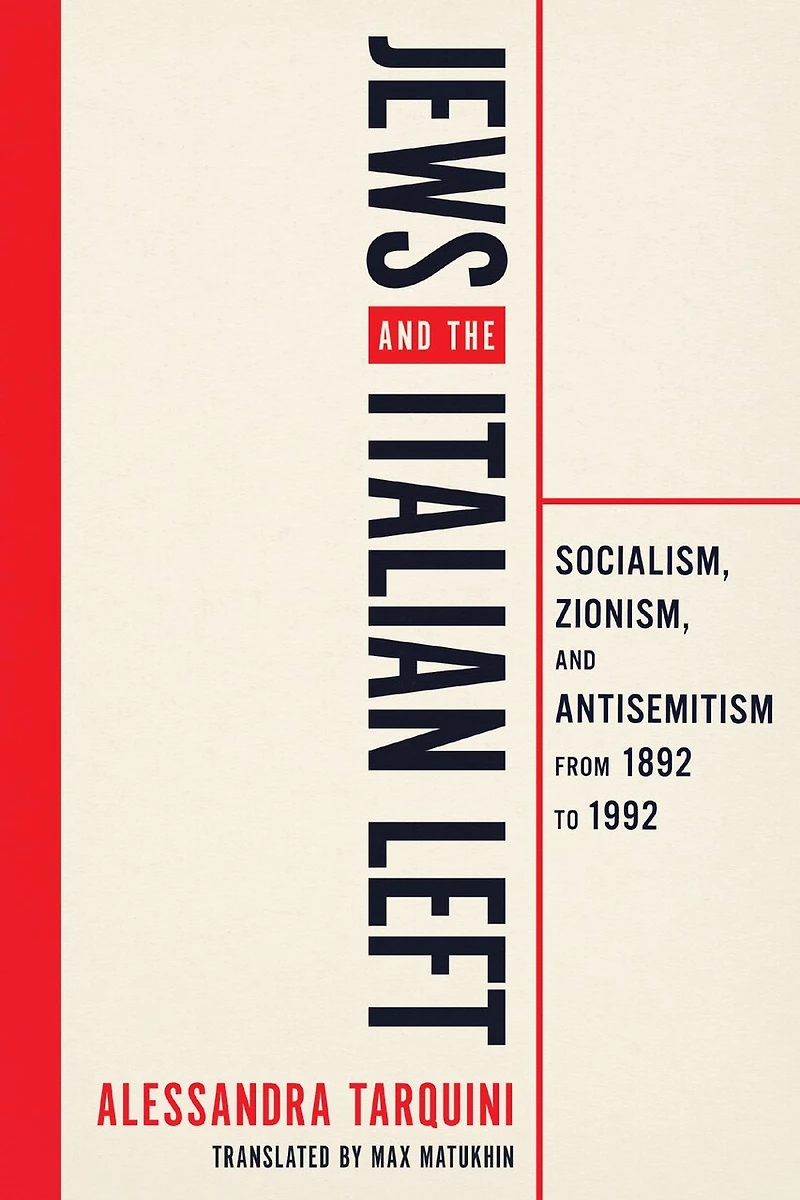
Jews and the Italian Left: Socialism, Zionism, and Antisemitism from 1892 to 1992 in Brampton, ON
Current price: $103.95
Coles
Jews and the Italian Left: Socialism, Zionism, and Antisemitism from 1892 to 1992 in Brampton, ON
Current price: $103.95
Loading Inventory...
Size: Hardcover
*Product information and pricing may vary - to confirm current pricing, availability, shipping, and return information please contact Coles. In the event of a pricing discrepancy, the retailer's price will apply.
Alessandra Tarquini, an expert in Italian Fascism, untangles the complicated relationship between the Italian Left and Jews since the late nineteenth century. Due largely to indifference, and sometimes to antisemitism, Italian leftists consistently overlooked Jews in their visions for a collectivist future. Yet, from the birth of the Socialist Party in 1892 until 1992, when the heirs of the Marxist tradition dispersed or set out on a new path, questions continually arose in revolutionary efforts to remake the Italian state: Should Jews be seen as oppressed, and therefore welcome to participate in the struggle that would lead to the advent of a new civilization? Or might they hinder the realization of socialism because of their attachment to a religious identity?
Tarquini’s research fills an important lacuna by analyzing the antisemitism of twentieth-century socialist movements. Crucially, however, Tarquini makes important distinctions between antisemitism on the Italian Left and Right, and identifies the relationship between leftism and antisemitism as a distinct formation.
Alessandra Tarquini, an expert in Italian Fascism, untangles the complicated relationship between the Italian Left and Jews since the late nineteenth century. Due largely to indifference, and sometimes to antisemitism, Italian leftists consistently overlooked Jews in their visions for a collectivist future. Yet, from the birth of the Socialist Party in 1892 until 1992, when the heirs of the Marxist tradition dispersed or set out on a new path, questions continually arose in revolutionary efforts to remake the Italian state: Should Jews be seen as oppressed, and therefore welcome to participate in the struggle that would lead to the advent of a new civilization? Or might they hinder the realization of socialism because of their attachment to a religious identity?
Tarquini’s research fills an important lacuna by analyzing the antisemitism of twentieth-century socialist movements. Crucially, however, Tarquini makes important distinctions between antisemitism on the Italian Left and Right, and identifies the relationship between leftism and antisemitism as a distinct formation.
You May Also Like

















Find at Bramalea City Centre in Brampton, ON
Visit at Bramalea City Centre in Brampton, ON