



Gifting Made Simple
Give the Gift of ChoiceClick below to purchase a Bramalea City Centre eGift Card that can be used at participating retailers at Bramalea City Centre.Purchase HereHome
Inflammation, Infection, and Microbiome Cancers: Evidence, Mechanisms, Implications
Coles
Loading Inventory...
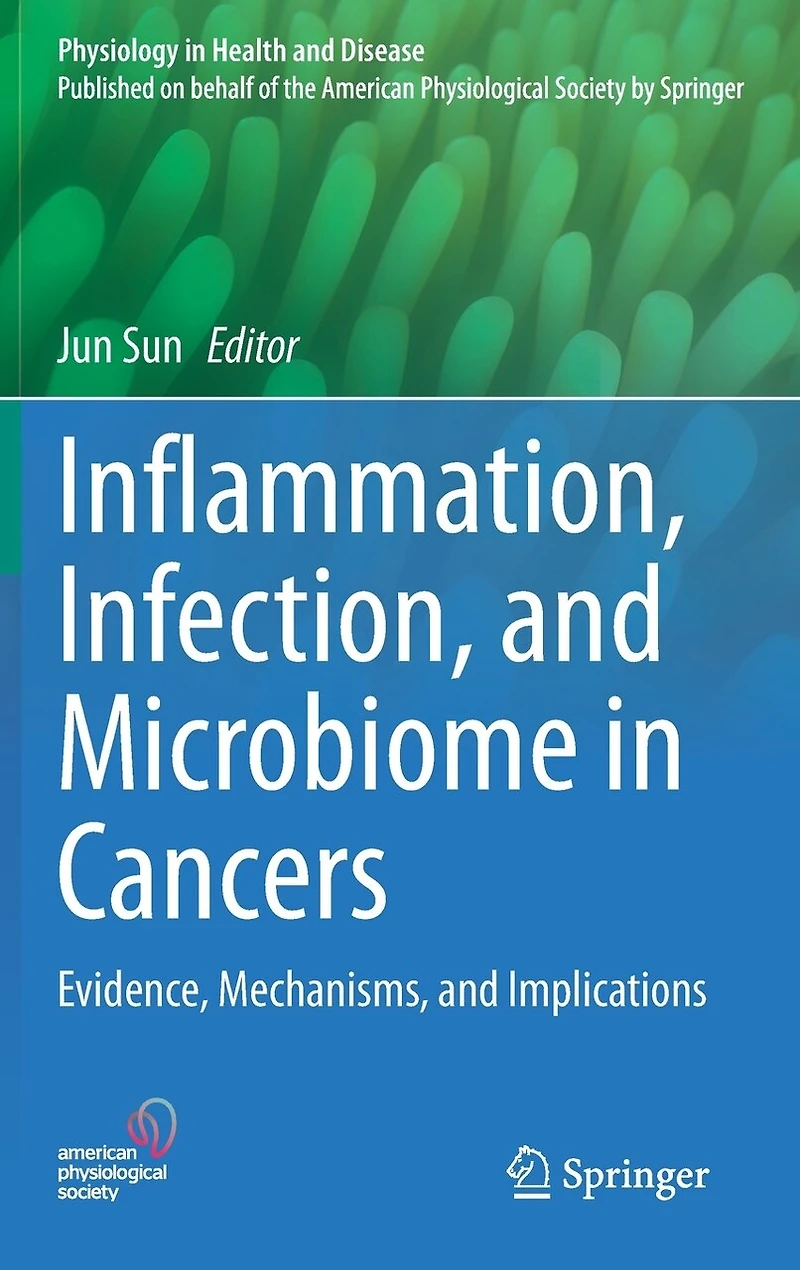
Inflammation, Infection, and Microbiome Cancers: Evidence, Mechanisms, Implications in Brampton, ON
Current price: $248.50
Coles
Inflammation, Infection, and Microbiome Cancers: Evidence, Mechanisms, Implications in Brampton, ON
Current price: $248.50
Loading Inventory...
Size: Hardcover
*Product information and pricing may vary - to confirm current pricing, availability, shipping, and return information please contact Coles. In the event of a pricing discrepancy, the retailer's price will apply.
This book offers a summary and discussion of the advances of inflammation and infection in various cancers. The authors cover the classically known virus infections in cancer, novel roles of other pathogens (e.g. bacteria and fungi), as well as biomarkers for diagnosis and therapy. Further, the chapters highlight the progress of immune therapy, stem cells and the role of the microbiome in the pathophysiology of cancers. Readers will gain insights into complex microbial communities, that inhabit most external human surfaces and play a key role in health and disease. Perturbations of host-microbe interactions often lead to altered host responses that can promote cancer development. Thus, this book highlights emerging roles of the microbiome in pathogenesis of cancers and outcome of therapy. The focus is on mechanistic concepts that underlie the complex relationships between host and microbes. Approaches that can inhibit infection, suppress chronic inflammation and reverse the dysbiosis are discussed, as a means for restoring the balance between host and microbes. This comprehensive work will be beneficial to researchers and students interested in infectious diseases, microbiome, and cancer as well as clinicians and general physiologists.
This book offers a summary and discussion of the advances of inflammation and infection in various cancers. The authors cover the classically known virus infections in cancer, novel roles of other pathogens (e.g. bacteria and fungi), as well as biomarkers for diagnosis and therapy. Further, the chapters highlight the progress of immune therapy, stem cells and the role of the microbiome in the pathophysiology of cancers. Readers will gain insights into complex microbial communities, that inhabit most external human surfaces and play a key role in health and disease. Perturbations of host-microbe interactions often lead to altered host responses that can promote cancer development. Thus, this book highlights emerging roles of the microbiome in pathogenesis of cancers and outcome of therapy. The focus is on mechanistic concepts that underlie the complex relationships between host and microbes. Approaches that can inhibit infection, suppress chronic inflammation and reverse the dysbiosis are discussed, as a means for restoring the balance between host and microbes. This comprehensive work will be beneficial to researchers and students interested in infectious diseases, microbiome, and cancer as well as clinicians and general physiologists.









Find at Bramalea City Centre in Brampton, ON
Visit at Bramalea City Centre in Brampton, ON