



Gifting Made Simple
Give the Gift of ChoiceClick below to purchase a Bramalea City Centre eGift Card that can be used at participating retailers at Bramalea City Centre.Purchase HereHome
In June The Labyrinth
Coles
Loading Inventory...
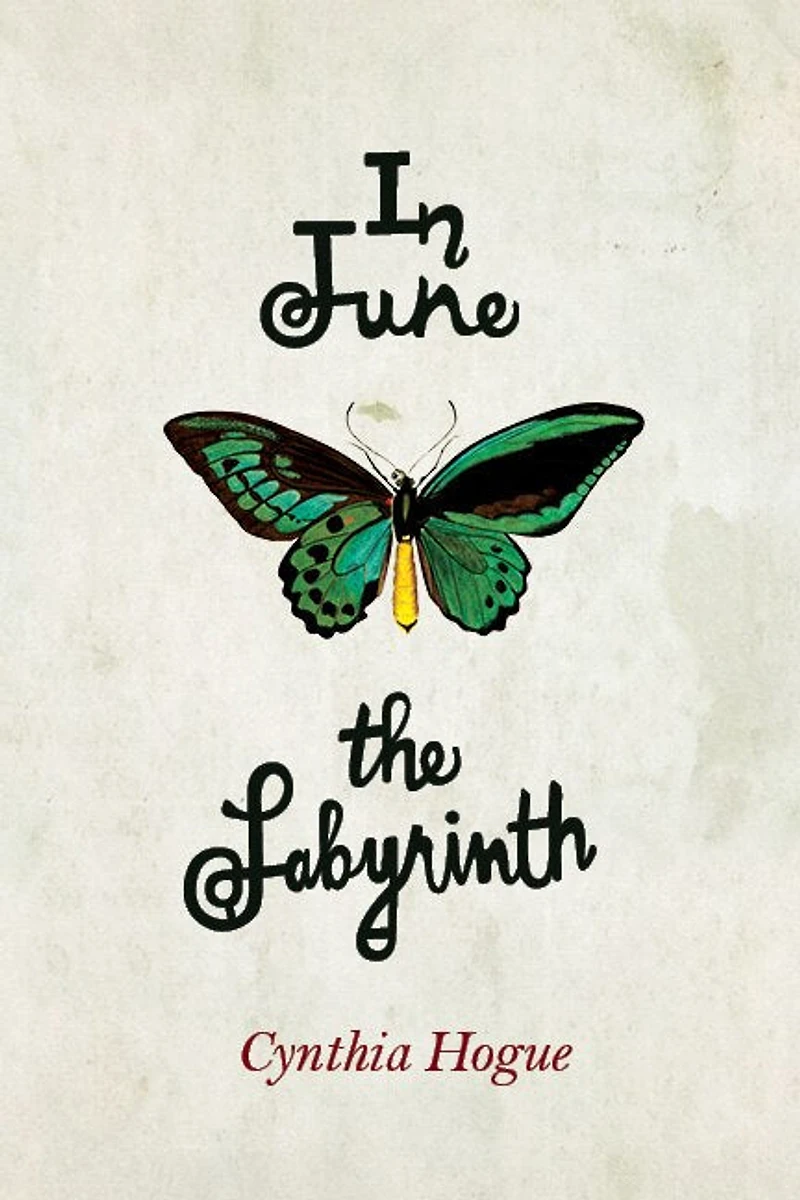
In June The Labyrinth in Brampton, ON
Current price: $22.99
Coles
In June The Labyrinth in Brampton, ON
Current price: $22.99
Loading Inventory...
Size: Paperback
*Product information and pricing may vary - to confirm current pricing, availability, shipping, and return information please contact Coles. In the event of a pricing discrepancy, the retailer's price will apply.
In her stunning ninth collection of poetry, In June the Labyrinth , Cynthia Hogue tells a deeply personal lyric of love and
loss through a mythic story. This book-length serial poem follows Elle, a dying woman, as she travels a trans-historical, trans-geographical terrain on a quest to investigate the labyrinth not only as myth and symbol, but something akin to the “labyrinth of the broken heart.” At the heart of Elle’s individual story is the earnest female pilgrim’s journey, full of disappointment but also hard-won wisdom and courage—inspired by Hogue’s own composited experience with loss, in particular the death of her mother. Rooted in the idea of the labyrinth as a symbol for life, as in the great Gothic cathedrals of Europe that Hogue would visit the summer of her mother’s death, these poems above all distill, fracture, recompose, and tell only partially—literally in parts but also in loving detail—the story of a life.
In her stunning ninth collection of poetry, In June the Labyrinth , Cynthia Hogue tells a deeply personal lyric of love and
loss through a mythic story. This book-length serial poem follows Elle, a dying woman, as she travels a trans-historical, trans-geographical terrain on a quest to investigate the labyrinth not only as myth and symbol, but something akin to the “labyrinth of the broken heart.” At the heart of Elle’s individual story is the earnest female pilgrim’s journey, full of disappointment but also hard-won wisdom and courage—inspired by Hogue’s own composited experience with loss, in particular the death of her mother. Rooted in the idea of the labyrinth as a symbol for life, as in the great Gothic cathedrals of Europe that Hogue would visit the summer of her mother’s death, these poems above all distill, fracture, recompose, and tell only partially—literally in parts but also in loving detail—the story of a life.
You May Also Like










Find at Bramalea City Centre in Brampton, ON
Visit at Bramalea City Centre in Brampton, ON