



Gifting Made Simple
Give the Gift of ChoiceClick below to purchase a Bramalea City Centre eGift Card that can be used at participating retailers at Bramalea City Centre.Purchase HereHome
Implementing Smart Cards Into The Air Force Reserve
Coles
Loading Inventory...
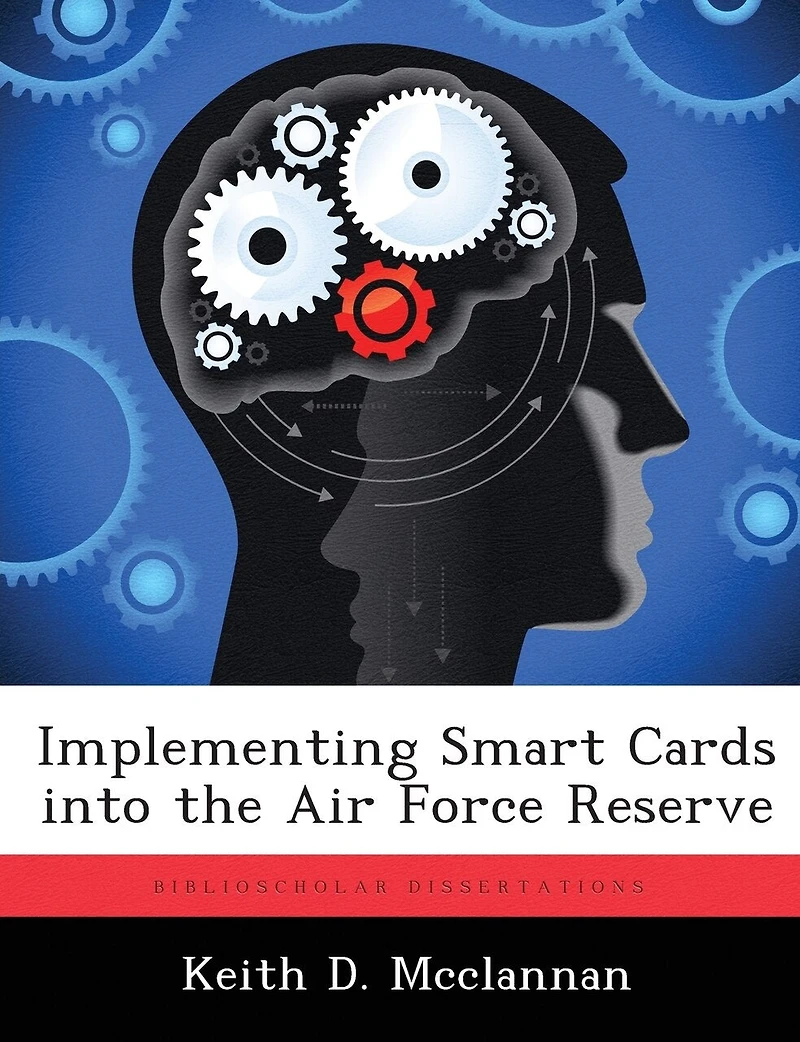
Implementing Smart Cards Into The Air Force Reserve in Brampton, ON
Current price: $16.94
Coles
Implementing Smart Cards Into The Air Force Reserve in Brampton, ON
Current price: $16.94
Loading Inventory...
Size: Paperback
*Product information and pricing may vary - to confirm current pricing, availability, shipping, and return information please contact Coles. In the event of a pricing discrepancy, the retailer's price will apply.
Smart card technology is essentially about a credit card with a brain. Smart cards have an embedded microchip that allows the card to hold digital data up to the available memory installed on the card. Smart cards first became popular in the financial industry in Europe, however, they have quickly gained favor in the United States. The Department of Defense (DoD) also saw the utility in using smart card technology. The DoD began tests with smart cards that sought to take advantage of the many capabilities present in this technology. Not merely content to use the card as just an identification (ID) card, the military wanted to exploit the smart card's ability to store large amounts of encrypted data. In particular, DoD is intending to use smart cards to replace current ID cards for all active and Reserve members, plus use them to allow access to computer networks, maintain personnel and medical records; and with such capabilities, attempt to ease the burden to the military member during deployment processing.
Smart card technology is essentially about a credit card with a brain. Smart cards have an embedded microchip that allows the card to hold digital data up to the available memory installed on the card. Smart cards first became popular in the financial industry in Europe, however, they have quickly gained favor in the United States. The Department of Defense (DoD) also saw the utility in using smart card technology. The DoD began tests with smart cards that sought to take advantage of the many capabilities present in this technology. Not merely content to use the card as just an identification (ID) card, the military wanted to exploit the smart card's ability to store large amounts of encrypted data. In particular, DoD is intending to use smart cards to replace current ID cards for all active and Reserve members, plus use them to allow access to computer networks, maintain personnel and medical records; and with such capabilities, attempt to ease the burden to the military member during deployment processing.
You May Also Like

%252Fimages%252Fcatalog2024%252F284821_1.jpg_medium.webp)




%252Fimages%252Fcatalog2024%252F277394_1.jpg_medium.webp)








Find at Bramalea City Centre in Brampton, ON
Visit at Bramalea City Centre in Brampton, ON