



Gifting Made Simple
Give the Gift of ChoiceClick below to purchase a Bramalea City Centre eGift Card that can be used at participating retailers at Bramalea City Centre.Purchase HereHome
Imagining Southern Spaces: Hemispheric and Transatlantic Souths in Antebellum US Writings
Coles
Loading Inventory...
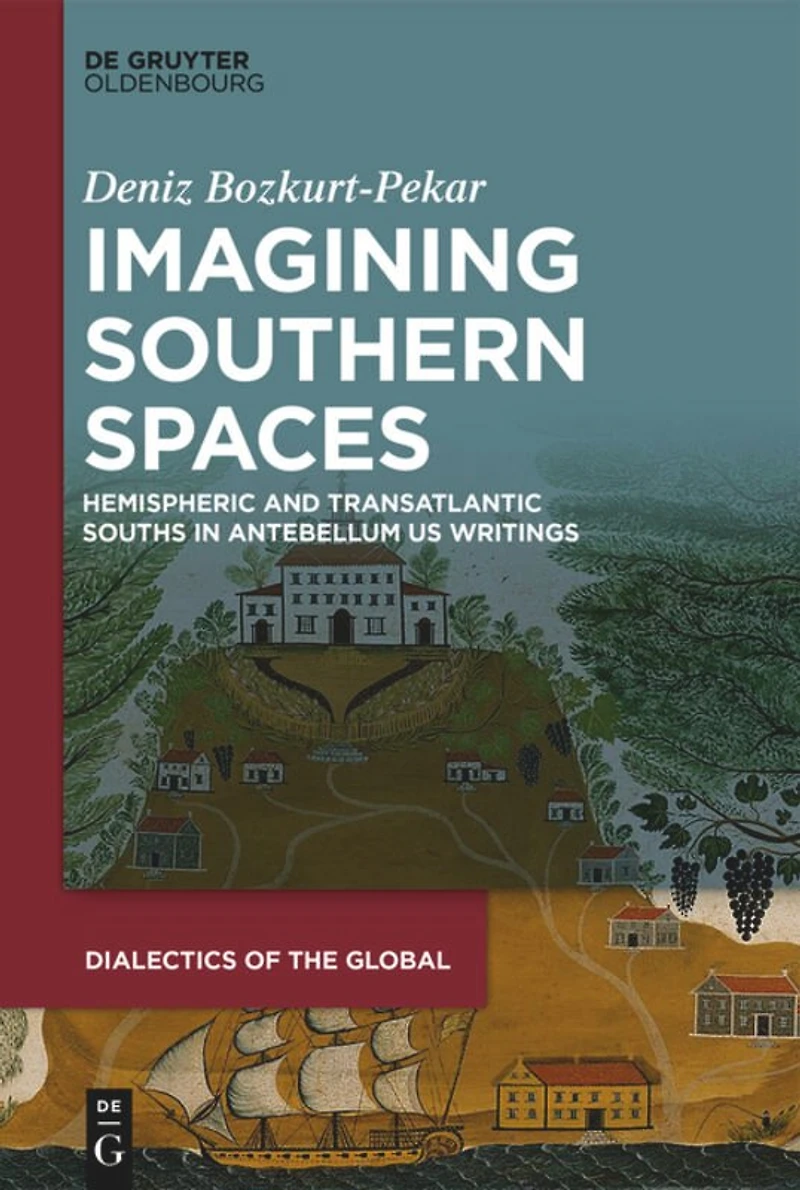
Imagining Southern Spaces: Hemispheric and Transatlantic Souths in Antebellum US Writings in Brampton, ON
Current price: $110.99
Coles
Imagining Southern Spaces: Hemispheric and Transatlantic Souths in Antebellum US Writings in Brampton, ON
Current price: $110.99
Loading Inventory...
Size: Hardcover
*Product information and pricing may vary - to confirm current pricing, availability, shipping, and return information please contact Coles. In the event of a pricing discrepancy, the retailer's price will apply.
Identifying the antebellum era in the United States as a transitional setting, Imagining Southern Spaces´ investigates spatialization processes about the South during a time when intensifying debates over the abolition of slavery led to a heightened period of (re)spatialization in the region. Taking the question of abolition as a major factor that shaped how different actors responded to these processes, this book studies spatial imaginations in a selection of abolitionist and proslavery literature of the era. Through this diversity of imaginations, the book points to a multitude of Souths in various economic, political, and cultural entanglements in the American Hemisphere and the Circumatlantic. Thus, it challenges monolithic and provincial representations of the South as a provincial region distinct from the rest of the country.
Identifying the antebellum era in the United States as a transitional setting, Imagining Southern Spaces´ investigates spatialization processes about the South during a time when intensifying debates over the abolition of slavery led to a heightened period of (re)spatialization in the region. Taking the question of abolition as a major factor that shaped how different actors responded to these processes, this book studies spatial imaginations in a selection of abolitionist and proslavery literature of the era. Through this diversity of imaginations, the book points to a multitude of Souths in various economic, political, and cultural entanglements in the American Hemisphere and the Circumatlantic. Thus, it challenges monolithic and provincial representations of the South as a provincial region distinct from the rest of the country.
You May Also Like














Find at Bramalea City Centre in Brampton, ON
Visit at Bramalea City Centre in Brampton, ON