



Gifting Made Simple
Give the Gift of ChoiceClick below to purchase a Bramalea City Centre eGift Card that can be used at participating retailers at Bramalea City Centre.Purchase HereHome
Hybrid Atomic-Scale Interface Design for Materials Functionality
Coles
Loading Inventory...
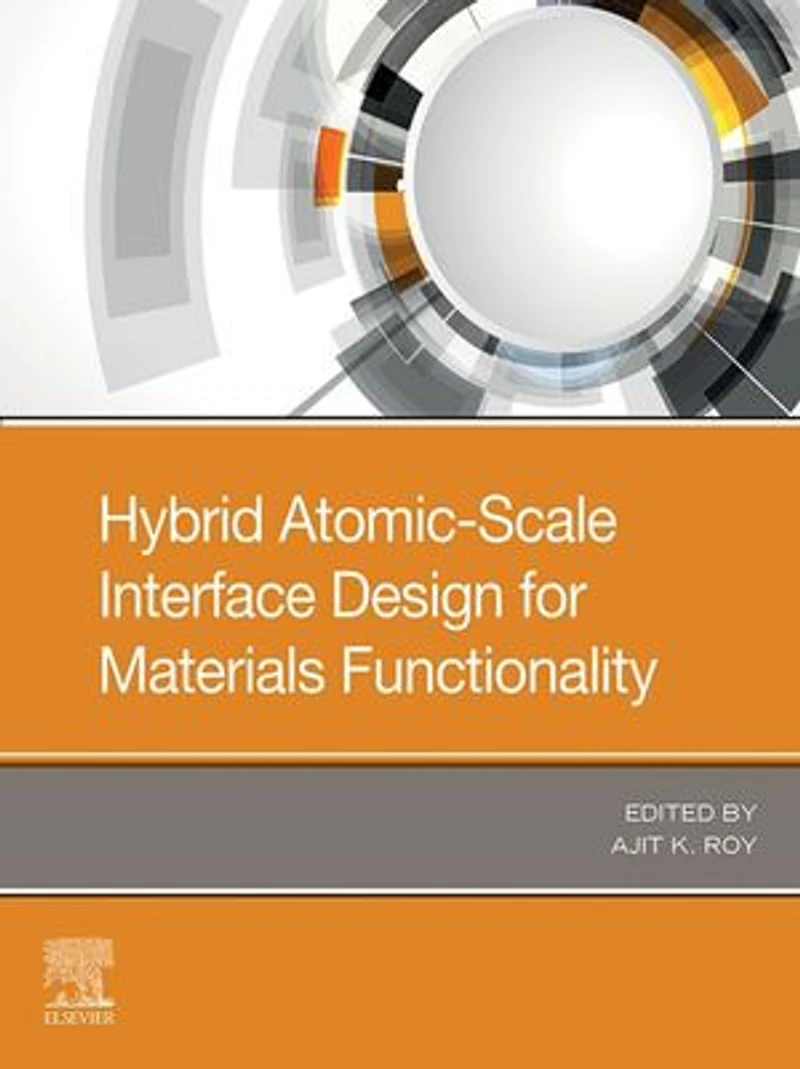
Hybrid Atomic-Scale Interface Design for Materials Functionality in Brampton, ON
Current price: $207.99
Original price: $260.00
Coles
Hybrid Atomic-Scale Interface Design for Materials Functionality in Brampton, ON
Current price: $207.99
Original price: $260.00
Loading Inventory...
Size: Kobo eBook
*Product information and pricing may vary - to confirm current pricing, availability, shipping, and return information please contact Coles. In the event of a pricing discrepancy, the retailer's price will apply.
Hybrid Atomic-Scale Interface Design for Materials Functionality covers a broad range of atomistic, meso and macro scale computational methodologies, including multiphase (hybrid) materials constructs for tailoring structural, thermal and electrical properties. As future materials are expected to perform with increasing efficiency in complex and dynamic environments hybrid materials design, in contrast to monolithic concepts, they are a cost-effective alternative. Taking materials hybridization at smaller scale, even at atomic scale, offers exceedingly high-payoff opportunities for optimizing materials functionality at reduced material consumption and even reduced qualification costs (eliminates many costly component and system level qualification tests).
Presents computational methodologies for materials hybridization and interface design at the atomic scale
Covers materials interface design (atomic configuration), a key component to optimize and achieve performance metrics
Helps readers with material selectivity and in the materials design phase of any product design
Hybrid Atomic-Scale Interface Design for Materials Functionality covers a broad range of atomistic, meso and macro scale computational methodologies, including multiphase (hybrid) materials constructs for tailoring structural, thermal and electrical properties. As future materials are expected to perform with increasing efficiency in complex and dynamic environments hybrid materials design, in contrast to monolithic concepts, they are a cost-effective alternative. Taking materials hybridization at smaller scale, even at atomic scale, offers exceedingly high-payoff opportunities for optimizing materials functionality at reduced material consumption and even reduced qualification costs (eliminates many costly component and system level qualification tests).
Presents computational methodologies for materials hybridization and interface design at the atomic scale
Covers materials interface design (atomic configuration), a key component to optimize and achieve performance metrics
Helps readers with material selectivity and in the materials design phase of any product design
You May Also Like









Find at Bramalea City Centre in Brampton, ON
Visit at Bramalea City Centre in Brampton, ON