



Gifting Made Simple
Give the Gift of ChoiceClick below to purchase a Bramalea City Centre eGift Card that can be used at participating retailers at Bramalea City Centre.Purchase HereHome
Human-Animal Interactions in the Eighteenth Century: From Pests and Predators to Pets, Poems and Philosophy
Coles
Loading Inventory...
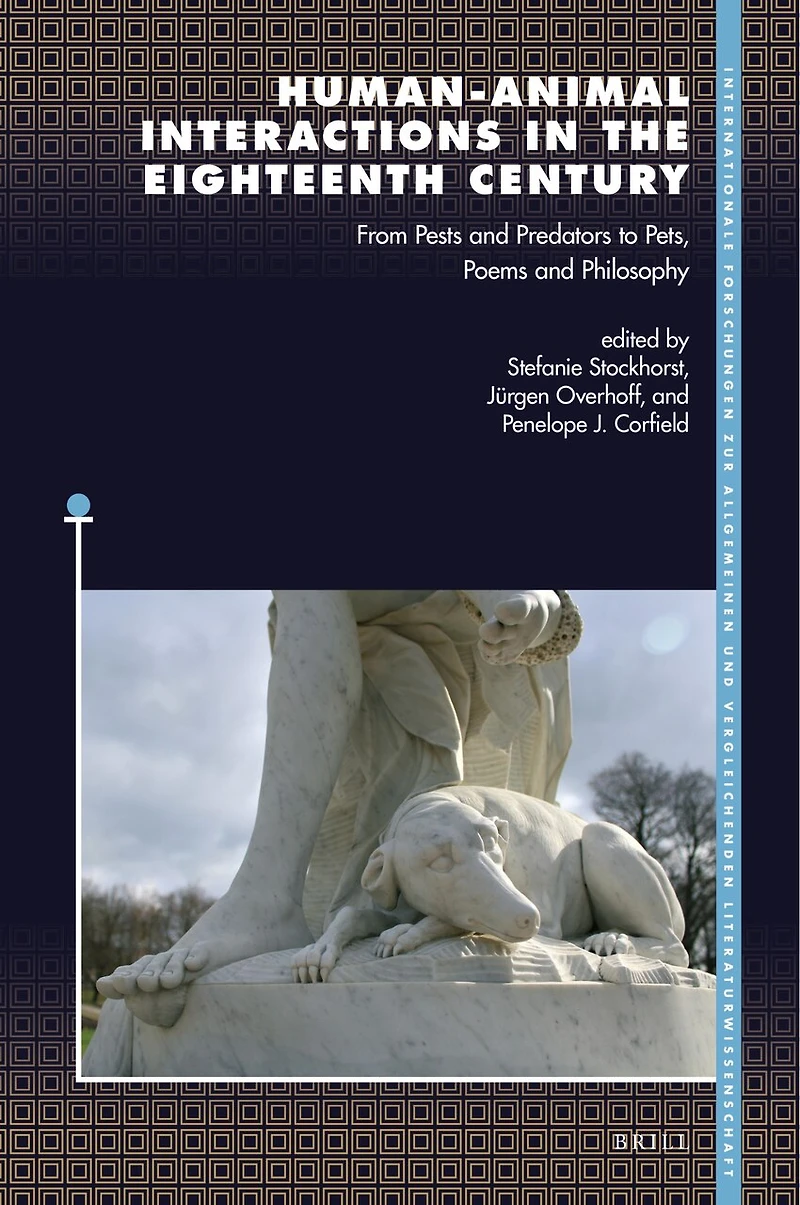
Human-Animal Interactions in the Eighteenth Century: From Pests and Predators to Pets, Poems and Philosophy in Brampton, ON
Current price: $123.99
Coles
Human-Animal Interactions in the Eighteenth Century: From Pests and Predators to Pets, Poems and Philosophy in Brampton, ON
Current price: $123.99
Loading Inventory...
Size: Hardcover
*Product information and pricing may vary - to confirm current pricing, availability, shipping, and return information please contact Coles. In the event of a pricing discrepancy, the retailer's price will apply.
How did humans respond to the eighteenth-century discovery of countless new species of animals? This book explores the gamut of intense human-animal interactions: from love to cultural identifications, moral reflections, philosophical debates, classification systems, mechanical copies, insults and literary creativity.
Dogs, cats and horses, of course, play central roles. But this volume also features human reflections upon parrots, songbirds, monkeys, a rhino, an elephant, pigs, and geese – all the way through to the admired silkworms and the not-so-admired bookworms.
An exceptionally wide array of source materials are used in this volume’s ten separate contributions, plus the editorial introduction, to demonstrate this diversity. As eighteenth-century humans came to realise that they too are animals, they had to recast their relationships with their fellow living-beings on Planet Earth. And these considerations remain very much live ones to this day.
How did humans respond to the eighteenth-century discovery of countless new species of animals? This book explores the gamut of intense human-animal interactions: from love to cultural identifications, moral reflections, philosophical debates, classification systems, mechanical copies, insults and literary creativity.
Dogs, cats and horses, of course, play central roles. But this volume also features human reflections upon parrots, songbirds, monkeys, a rhino, an elephant, pigs, and geese – all the way through to the admired silkworms and the not-so-admired bookworms.
An exceptionally wide array of source materials are used in this volume’s ten separate contributions, plus the editorial introduction, to demonstrate this diversity. As eighteenth-century humans came to realise that they too are animals, they had to recast their relationships with their fellow living-beings on Planet Earth. And these considerations remain very much live ones to this day.
You May Also Like












Find at Bramalea City Centre in Brampton, ON
Visit at Bramalea City Centre in Brampton, ON