



Gifting Made Simple
Give the Gift of ChoiceClick below to purchase a Bramalea City Centre eGift Card that can be used at participating retailers at Bramalea City Centre.Purchase HereHome
How to Revise a True War Story: Tim O'Brien's Process of Textual Production
Coles
Loading Inventory...
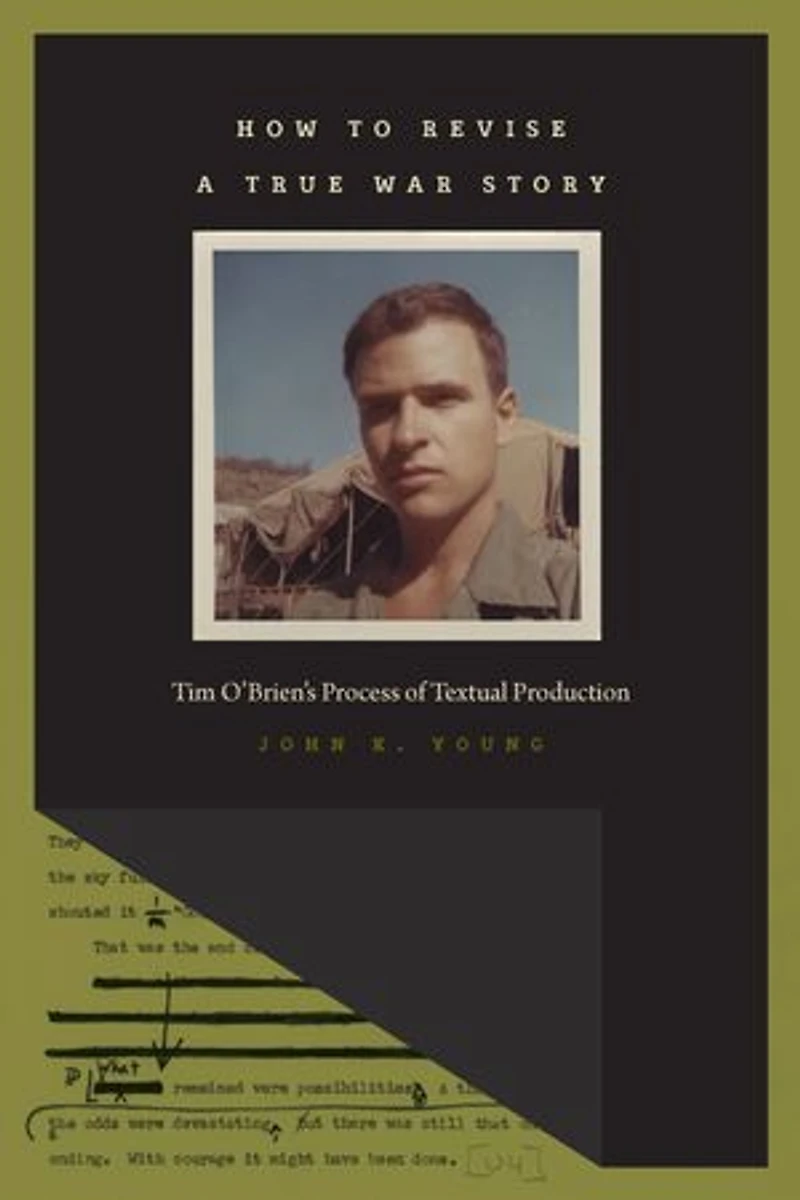
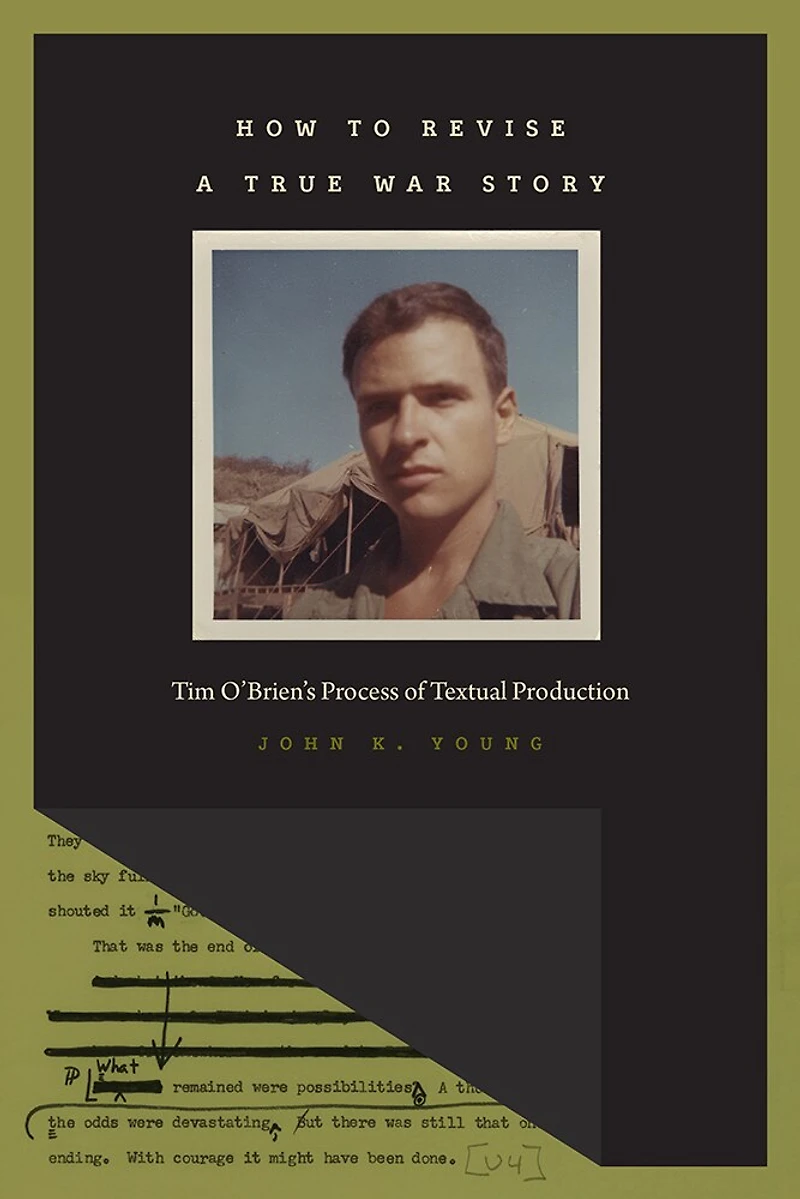
How to Revise a True War Story: Tim O'Brien's Process of Textual Production in Brampton, ON
Current price: $59.79
Original price: $74.65
Coles
How to Revise a True War Story: Tim O'Brien's Process of Textual Production in Brampton, ON
Current price: $59.79
Original price: $74.65
Loading Inventory...
Size: Kobo eBook
*Product information and pricing may vary - to confirm current pricing, availability, shipping, and return information please contact Coles. In the event of a pricing discrepancy, the retailer's price will apply.
“You can tell a true war story if you just keep on telling it,” Tim O’Brien writes in The Things They Carried . Widely regarded as the most important novelist to come out of the American war in Viet Nam, O’Brien has kept on telling true war stories not only in narratives that cycle through multiple fictional and non-fictional versions of the war’s defining experiences, but also by rewriting those stories again and again. Key moments of revision extend from early drafts, to the initial appearance of selected chapters in magazines, across typescripts and page proofs for first editions, and through continuing post-publication variants in reprints.
How to Revise a True War Story is the first book-length study of O’Brien’s archival papers at the University of Texas’s Harry Ransom Center. Drawing on extensive study of drafts and other prepublication materials, as well as the multiple published versions of O’Brien’s works, John K. Young tells the untold stories behind the production of such key texts as Going After Cacciato , The Things They Carried , and In the Lake of the Woods . By reading not just the texts that have been published, but also the versions they could have been, Young demonstrates the important choices O’Brien and his editors have made about how to represent the traumas of the war in Viet Nam. The result is a series of texts that refuse to settle into a finished or stable form, just as the stories they present insist on being told and retold in new and changing ways. In their lack of textual stability, these variants across different versions enact for O’Brien’s readers the kinds of narrative volatility that is key to the American literature emerging from the war in Viet Nam. Perhaps in this case, you can tell a true war story if you just keep on revising it.
“You can tell a true war story if you just keep on telling it,” Tim O’Brien writes in The Things They Carried . Widely regarded as the most important novelist to come out of the American war in Viet Nam, O’Brien has kept on telling true war stories not only in narratives that cycle through multiple fictional and non-fictional versions of the war’s defining experiences, but also by rewriting those stories again and again. Key moments of revision extend from early drafts, to the initial appearance of selected chapters in magazines, across typescripts and page proofs for first editions, and through continuing post-publication variants in reprints.
How to Revise a True War Story is the first book-length study of O’Brien’s archival papers at the University of Texas’s Harry Ransom Center. Drawing on extensive study of drafts and other prepublication materials, as well as the multiple published versions of O’Brien’s works, John K. Young tells the untold stories behind the production of such key texts as Going After Cacciato , The Things They Carried , and In the Lake of the Woods . By reading not just the texts that have been published, but also the versions they could have been, Young demonstrates the important choices O’Brien and his editors have made about how to represent the traumas of the war in Viet Nam. The result is a series of texts that refuse to settle into a finished or stable form, just as the stories they present insist on being told and retold in new and changing ways. In their lack of textual stability, these variants across different versions enact for O’Brien’s readers the kinds of narrative volatility that is key to the American literature emerging from the war in Viet Nam. Perhaps in this case, you can tell a true war story if you just keep on revising it.
You May Also Like








Find at Bramalea City Centre in Brampton, ON
Visit at Bramalea City Centre in Brampton, ON