



Gifting Made Simple
Give the Gift of ChoiceClick below to purchase a Bramalea City Centre eGift Card that can be used at participating retailers at Bramalea City Centre.Purchase HereHome
How to Read Impressionism: Ways of Looking
Coles
Loading Inventory...
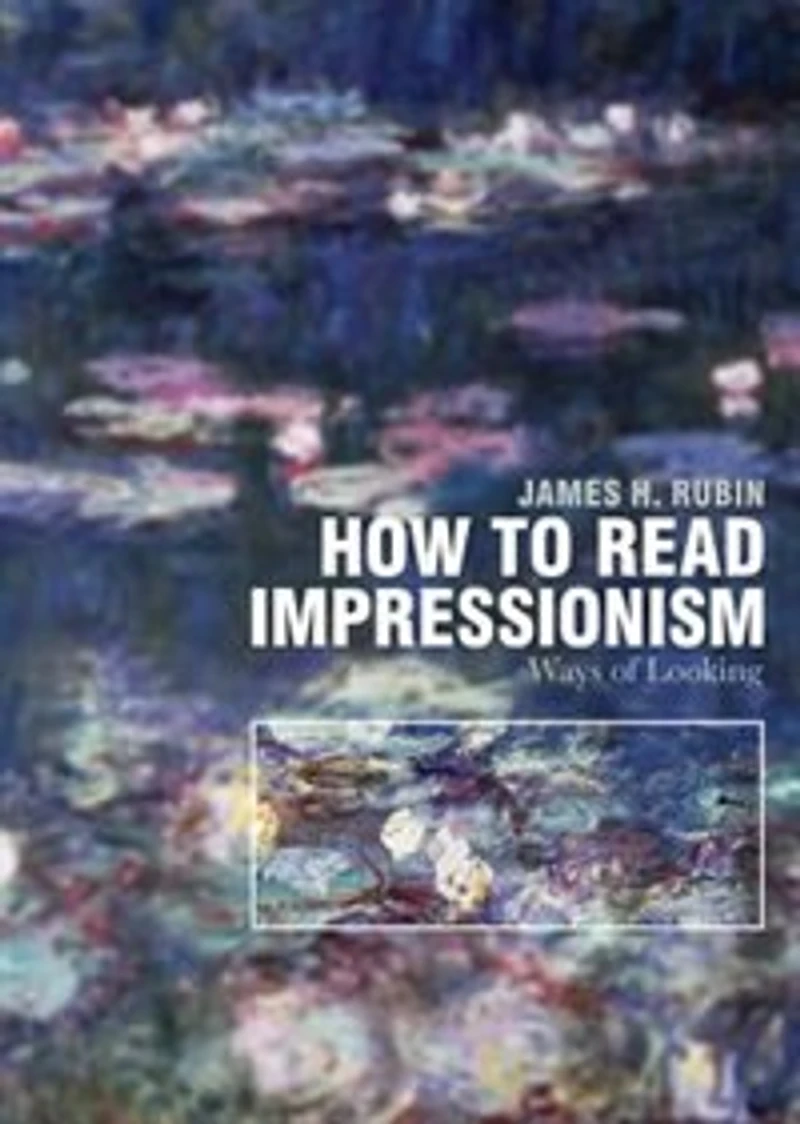
How to Read Impressionism: Ways of Looking in Brampton, ON
Current price: $44.95
Coles
How to Read Impressionism: Ways of Looking in Brampton, ON
Current price: $44.95
Loading Inventory...
Size: Hardcover
*Product information and pricing may vary - to confirm current pricing, availability, shipping, and return information please contact Coles. In the event of a pricing discrepancy, the retailer's price will apply.
How to Read Impressionism is a new, original exploration of the 19th-century movement that changed art forever, and made household names of painters such as Monet, Renoir, Degas, Seurat, Cassatt, and others. James Rubin organizes this new look at the movement by subject matter, rather than by artist or chronologically, looking at urban views and city life, interiors and still life, family and friends, and other common themes. Discussing Impressionism in this way, he provides readers with the tools to think critically and analytically about the movement, and offers a new understanding of the collective momentum that drove the artists to work with such originality and commitment to modern themes. Through close readings and comparisons of specific paintings, and a wealth of illustrations, Rubin establishes links between the broad visual culture of the period and the various Impressionist artists, and within the artists’ own careers. The entire history of Impressionism is covered, in an entirely new way.
How to Read Impressionism is a new, original exploration of the 19th-century movement that changed art forever, and made household names of painters such as Monet, Renoir, Degas, Seurat, Cassatt, and others. James Rubin organizes this new look at the movement by subject matter, rather than by artist or chronologically, looking at urban views and city life, interiors and still life, family and friends, and other common themes. Discussing Impressionism in this way, he provides readers with the tools to think critically and analytically about the movement, and offers a new understanding of the collective momentum that drove the artists to work with such originality and commitment to modern themes. Through close readings and comparisons of specific paintings, and a wealth of illustrations, Rubin establishes links between the broad visual culture of the period and the various Impressionist artists, and within the artists’ own careers. The entire history of Impressionism is covered, in an entirely new way.
You May Also Like














Find at Bramalea City Centre in Brampton, ON
Visit at Bramalea City Centre in Brampton, ON