



Gifting Made Simple
Give the Gift of ChoiceClick below to purchase a Bramalea City Centre eGift Card that can be used at participating retailers at Bramalea City Centre.Purchase HereHome
Hospitable Linguistics: Alternative, Indigenous and Critical Approaches to Language Research Encounters
Coles
Loading Inventory...
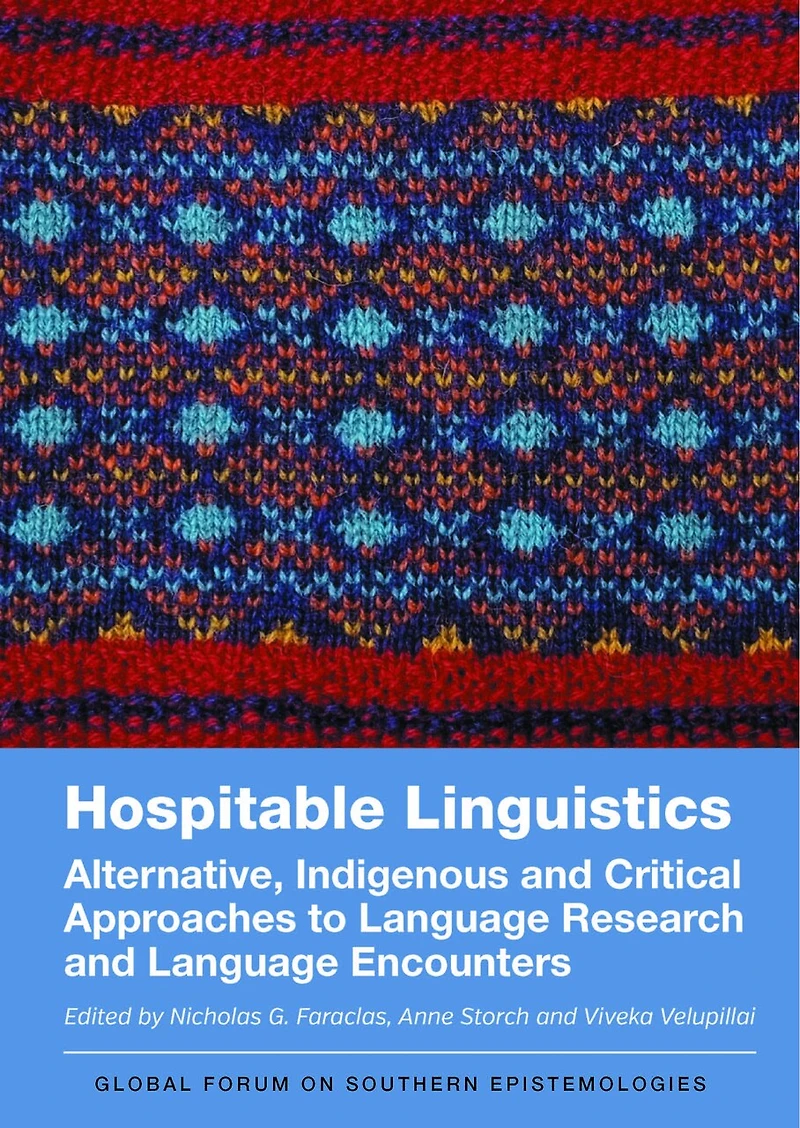
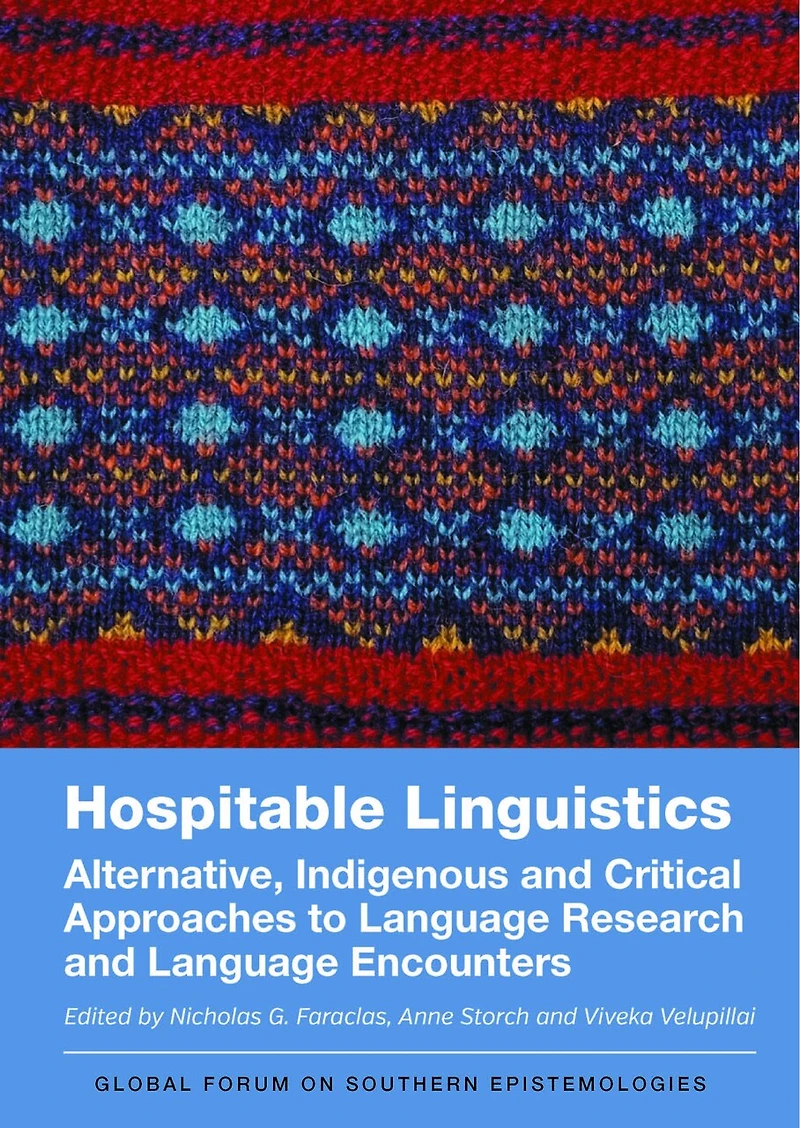
Hospitable Linguistics: Alternative, Indigenous and Critical Approaches to Language Research Encounters in Brampton, ON
Current price: $264.95
Coles
Hospitable Linguistics: Alternative, Indigenous and Critical Approaches to Language Research Encounters in Brampton, ON
Current price: $264.95
Loading Inventory...
Size: Hardcover
*Product information and pricing may vary - to confirm current pricing, availability, shipping, and return information please contact Coles. In the event of a pricing discrepancy, the retailer's price will apply.
Challenging the boundaries of linguistics as a field, and transgressing the limitations of genre in writing about language, this book explores the possibilities of what the authors call a ‘hospitable linguistics’. It offers a critical discussion of how linguistics endeavors to domesticate, subdue and integrate both people and languages into existing academic structures and theories, and how as a discipline academic linguistics has barely begun to move beyond its colonial, patriarchal and conservative foundations. In this book, leading figures in their fields reflect on their own and others’ practices and experiences in three key areas: the agency and power of refugees and migrants; indigenous people’s (in)hospitable responses to strangers; and hospitable language as expressed through art, music and artefacts. As a whole, the book represents a crucial intervention in attempts to fashion a new, more integrative, responsible and respectful linguistics that makes way for the ideas of people who are often the object of study.
Challenging the boundaries of linguistics as a field, and transgressing the limitations of genre in writing about language, this book explores the possibilities of what the authors call a ‘hospitable linguistics’. It offers a critical discussion of how linguistics endeavors to domesticate, subdue and integrate both people and languages into existing academic structures and theories, and how as a discipline academic linguistics has barely begun to move beyond its colonial, patriarchal and conservative foundations. In this book, leading figures in their fields reflect on their own and others’ practices and experiences in three key areas: the agency and power of refugees and migrants; indigenous people’s (in)hospitable responses to strangers; and hospitable language as expressed through art, music and artefacts. As a whole, the book represents a crucial intervention in attempts to fashion a new, more integrative, responsible and respectful linguistics that makes way for the ideas of people who are often the object of study.
You May Also Like









Find at Bramalea City Centre in Brampton, ON
Visit at Bramalea City Centre in Brampton, ON