



Gifting Made Simple
Give the Gift of ChoiceClick below to purchase a Bramalea City Centre eGift Card that can be used at participating retailers at Bramalea City Centre.Purchase HereHome
Horses, Oxen and Technological Innovation: The Use of Draught Animals in English Farming from 1066–1500
Coles
Loading Inventory...
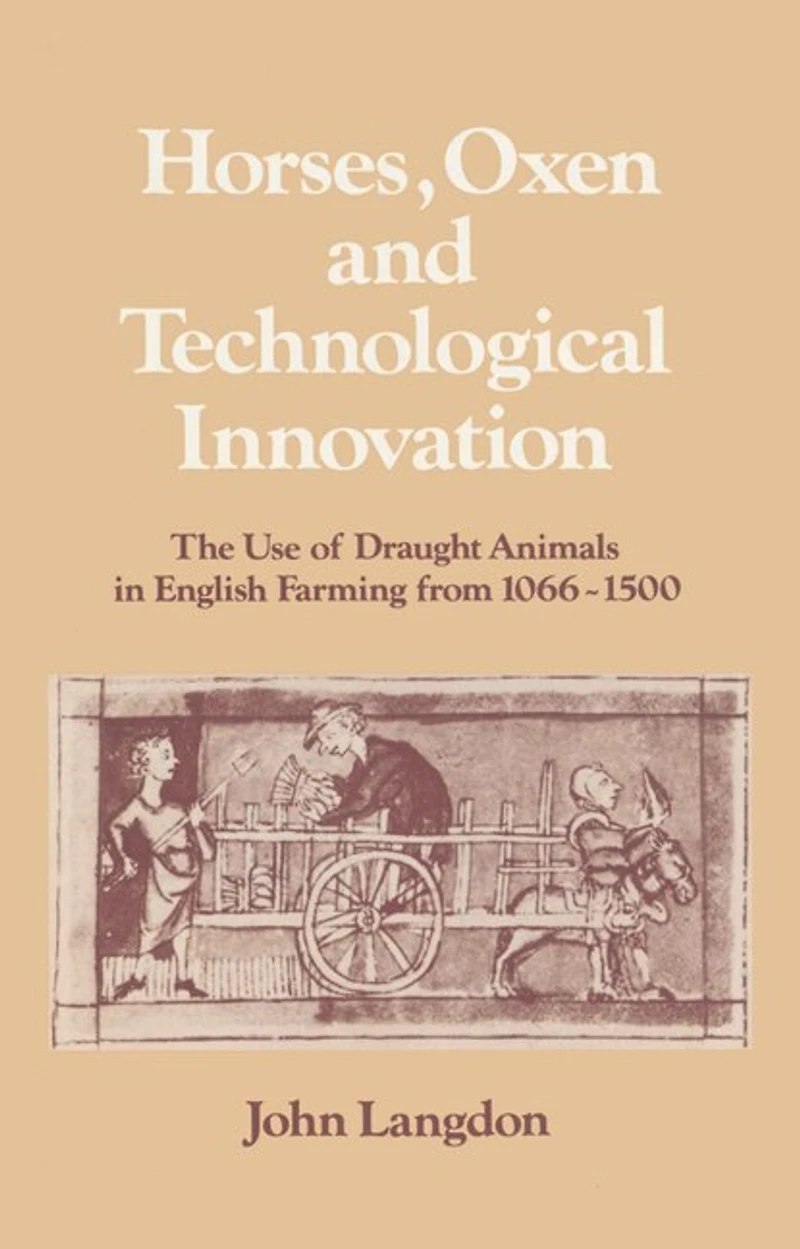
Horses, Oxen and Technological Innovation: The Use of Draught Animals in English Farming from 1066–1500 in Brampton, ON
Current price: $84.95
Coles
Horses, Oxen and Technological Innovation: The Use of Draught Animals in English Farming from 1066–1500 in Brampton, ON
Current price: $84.95
Loading Inventory...
Size: Paperback
*Product information and pricing may vary - to confirm current pricing, availability, shipping, and return information please contact Coles. In the event of a pricing discrepancy, the retailer's price will apply.
The introduction of the horse brought many advantages to medieval English farming, particularly as an improvement to ploughing and hauling. But the replacement of oxen by horses was by no means inevitable, as the situation often depended upon a number of factors not immediately obvious to modern eyes. These factors, which included such environmental aspects as soil types and terrain, are evaluated to see how they affected the decision to use horses and oxen. The introduction of the horse is furthermore examined in relation to farm production, the improvement in marketing, and the development of regionalism; and various theories regarding technological innovation are assessed to see whether this or that innovation acted in a predictable way. Most importantly, the study affords a glimpse into the working of the minds of medieval farmers as they approached the problems of livelihood and survival.
The introduction of the horse brought many advantages to medieval English farming, particularly as an improvement to ploughing and hauling. But the replacement of oxen by horses was by no means inevitable, as the situation often depended upon a number of factors not immediately obvious to modern eyes. These factors, which included such environmental aspects as soil types and terrain, are evaluated to see how they affected the decision to use horses and oxen. The introduction of the horse is furthermore examined in relation to farm production, the improvement in marketing, and the development of regionalism; and various theories regarding technological innovation are assessed to see whether this or that innovation acted in a predictable way. Most importantly, the study affords a glimpse into the working of the minds of medieval farmers as they approached the problems of livelihood and survival.
You May Also Like


















Find at Bramalea City Centre in Brampton, ON
Visit at Bramalea City Centre in Brampton, ON