



Gifting Made Simple
Give the Gift of ChoiceClick below to purchase a Bramalea City Centre eGift Card that can be used at participating retailers at Bramalea City Centre.Purchase HereHome
Homo Problematis Solvendis-Problem-solving Man: A History of Human Creativity
Coles
Loading Inventory...
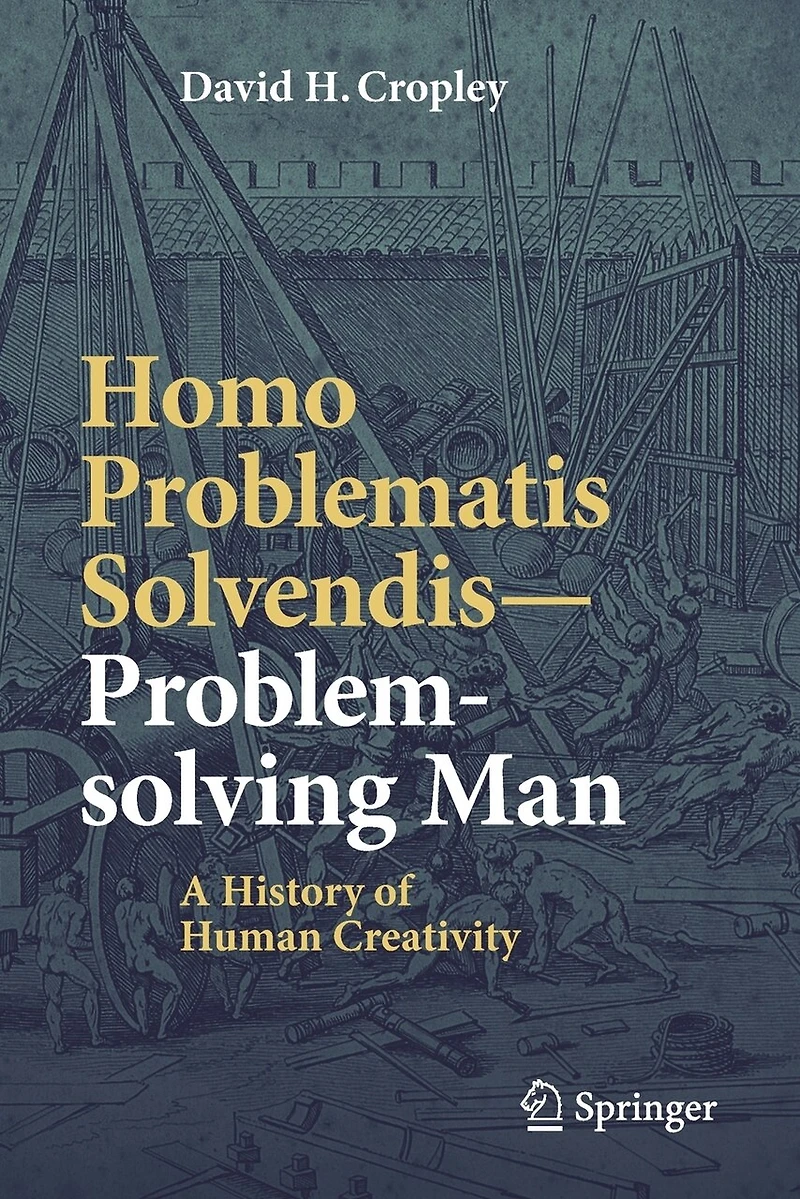
Homo Problematis Solvendis-Problem-solving Man: A History of Human Creativity in Brampton, ON
Current price: $48.50
Coles
Homo Problematis Solvendis-Problem-solving Man: A History of Human Creativity in Brampton, ON
Current price: $48.50
Loading Inventory...
Size: Hardcover
*Product information and pricing may vary - to confirm current pricing, availability, shipping, and return information please contact Coles. In the event of a pricing discrepancy, the retailer's price will apply.
This book presents the history of modern human creativity/innovation through examples of solutions to basic human needs that have been developed over time. The title - Homo problematis solvendis - is a play on the scientific classifications of humans (e.g. Homo habilis, Homo erectus, Homo sapiens), and is intended to suggest that a defining characteristic of modern humans is our fundamental ability to solve problems (i.e. problem- solving human = Homo problematis solvendis). The book not only offers new perspectives on the history of technology, but also helps readers connect the popular interest in creativity and innovation (in schools, in businesses) with their psychological underpinnings. It discusses why creativity and innovation are vital to societies, and how these key abilities have made it possible for societies to develop into what they are today.
This book presents the history of modern human creativity/innovation through examples of solutions to basic human needs that have been developed over time. The title - Homo problematis solvendis - is a play on the scientific classifications of humans (e.g. Homo habilis, Homo erectus, Homo sapiens), and is intended to suggest that a defining characteristic of modern humans is our fundamental ability to solve problems (i.e. problem- solving human = Homo problematis solvendis). The book not only offers new perspectives on the history of technology, but also helps readers connect the popular interest in creativity and innovation (in schools, in businesses) with their psychological underpinnings. It discusses why creativity and innovation are vital to societies, and how these key abilities have made it possible for societies to develop into what they are today.
You May Also Like

















Find at Bramalea City Centre in Brampton, ON
Visit at Bramalea City Centre in Brampton, ON