



Gifting Made Simple
Give the Gift of ChoiceClick below to purchase a Bramalea City Centre eGift Card that can be used at participating retailers at Bramalea City Centre.Purchase HereHome
Higher Teaching and Learning for Alternative Futures: A Renewed Focus on Critical Praxis
Coles
Loading Inventory...
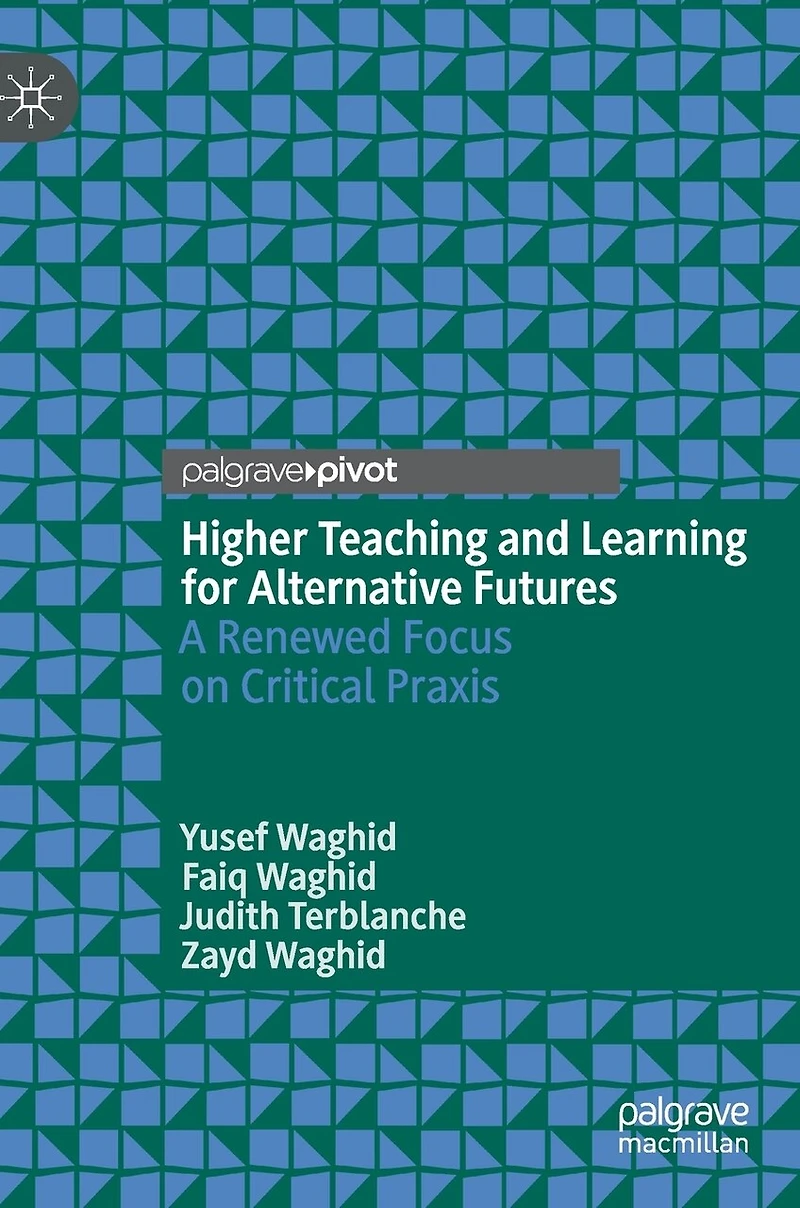
Higher Teaching and Learning for Alternative Futures: A Renewed Focus on Critical Praxis in Brampton, ON
Current price: $102.50
Coles
Higher Teaching and Learning for Alternative Futures: A Renewed Focus on Critical Praxis in Brampton, ON
Current price: $102.50
Loading Inventory...
Size: Hardcover
*Product information and pricing may vary - to confirm current pricing, availability, shipping, and return information please contact Coles. In the event of a pricing discrepancy, the retailer's price will apply.
This book analyses the narratives of four academics who consider themselves post-structuralist. Grounded in the work of major thinkers in post-structuralism, these narratives reflect on higher education as a community of scholars without community. The authors highlight what specifically motivates their pedagogical affirmations and orientations, analyse why they are concerned with social justice education, and what they envisage the alternative futures of higher education to be - that is, futures in which discrimination, oppression, violence and inequality are waning or have been eradicated. Through their own narratives, the authors tackle the educational matter of poststructuralist human encounters and expand upon the notion of social justice education. In doing so, they argue for higher education on the African continent as an alternative discourse that can be responsive to political, societal and environmental dystopias.
This book analyses the narratives of four academics who consider themselves post-structuralist. Grounded in the work of major thinkers in post-structuralism, these narratives reflect on higher education as a community of scholars without community. The authors highlight what specifically motivates their pedagogical affirmations and orientations, analyse why they are concerned with social justice education, and what they envisage the alternative futures of higher education to be - that is, futures in which discrimination, oppression, violence and inequality are waning or have been eradicated. Through their own narratives, the authors tackle the educational matter of poststructuralist human encounters and expand upon the notion of social justice education. In doing so, they argue for higher education on the African continent as an alternative discourse that can be responsive to political, societal and environmental dystopias.
You May Also Like









Find at Bramalea City Centre in Brampton, ON
Visit at Bramalea City Centre in Brampton, ON