



Gifting Made Simple
Give the Gift of ChoiceClick below to purchase a Bramalea City Centre eGift Card that can be used at participating retailers at Bramalea City Centre.Purchase HereHome
Higher Education Divided: National Expectations And The Bifurcation Of Purpose Identity, 1946-2016
Coles
Loading Inventory...
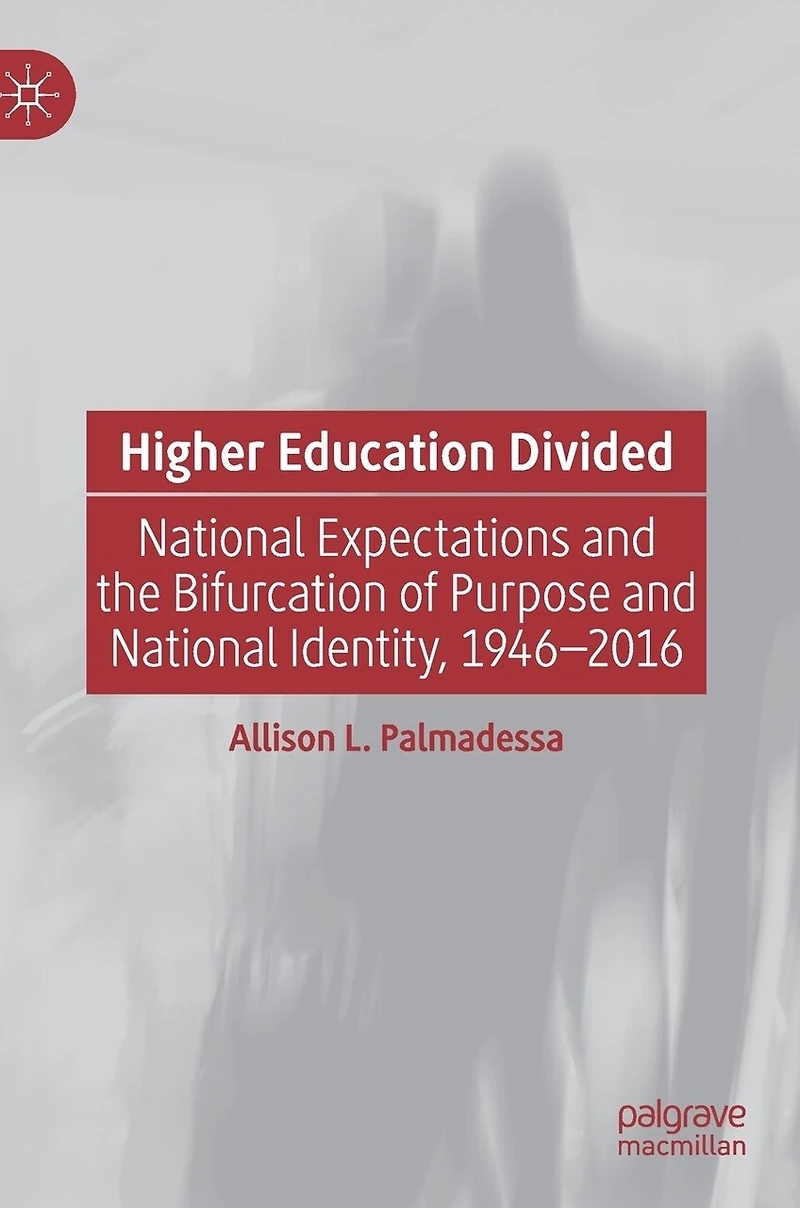
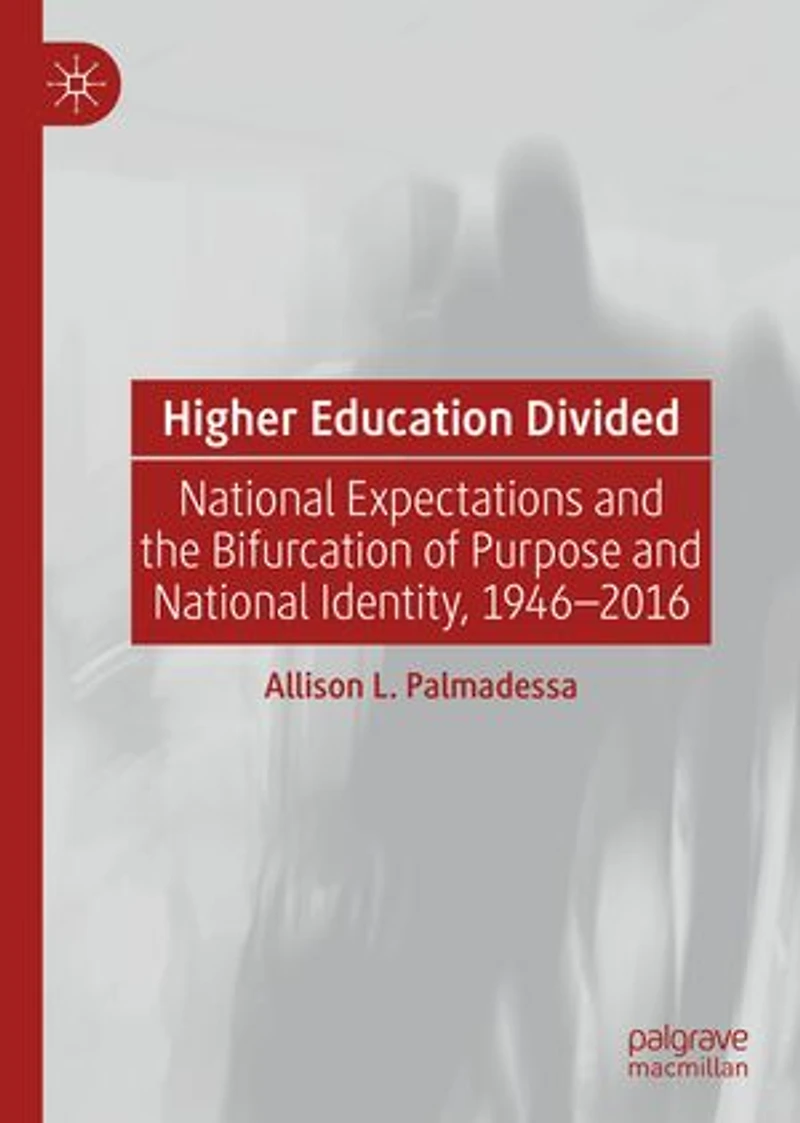
Higher Education Divided: National Expectations And The Bifurcation Of Purpose Identity, 1946-2016 in Brampton, ON
Current price: $80.50
Coles
Higher Education Divided: National Expectations And The Bifurcation Of Purpose Identity, 1946-2016 in Brampton, ON
Current price: $80.50
Loading Inventory...
Size: Hardcover
*Product information and pricing may vary - to confirm current pricing, availability, shipping, and return information please contact Coles. In the event of a pricing discrepancy, the retailer's price will apply.
This book critically considers how tertiary institutions of higher education in the United States are charged with the duty of preserving democracy, teaching citizenship literacy, and contributing to economic stability. The author offers a comparative analysis of how presidential and national policy agendas shape these social institutions' re-creation and re-constitution of ideological identities that influence the social position of the participants in the institution types, creating a divide in the realization of national identity across institutional and class lines. In fulfilling this role, four- and two-year institutions become representations of the social class divisions in the United States as the institutions and their students experience American national identity differently. By answering a call to serve the American public and presidential agendas, institutions of higher education reinforce the economic and social divisions in American society, resulting in varied understandings of American national identity.
This book critically considers how tertiary institutions of higher education in the United States are charged with the duty of preserving democracy, teaching citizenship literacy, and contributing to economic stability. The author offers a comparative analysis of how presidential and national policy agendas shape these social institutions' re-creation and re-constitution of ideological identities that influence the social position of the participants in the institution types, creating a divide in the realization of national identity across institutional and class lines. In fulfilling this role, four- and two-year institutions become representations of the social class divisions in the United States as the institutions and their students experience American national identity differently. By answering a call to serve the American public and presidential agendas, institutions of higher education reinforce the economic and social divisions in American society, resulting in varied understandings of American national identity.
You May Also Like
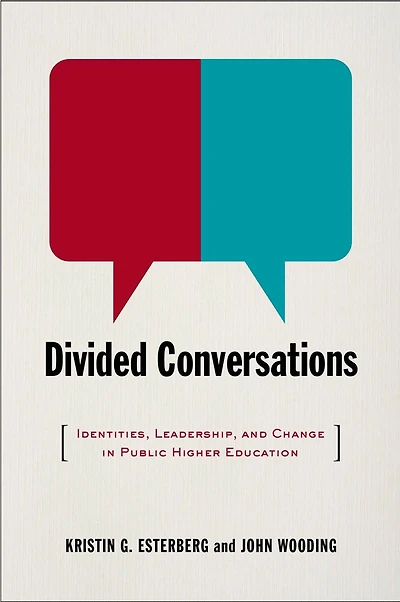








Find at Bramalea City Centre in Brampton, ON
Visit at Bramalea City Centre in Brampton, ON