



Gifting Made Simple
Give the Gift of ChoiceClick below to purchase a Bramalea City Centre eGift Card that can be used at participating retailers at Bramalea City Centre.Purchase HereHome
Herder's Philosophy
Coles
Loading Inventory...
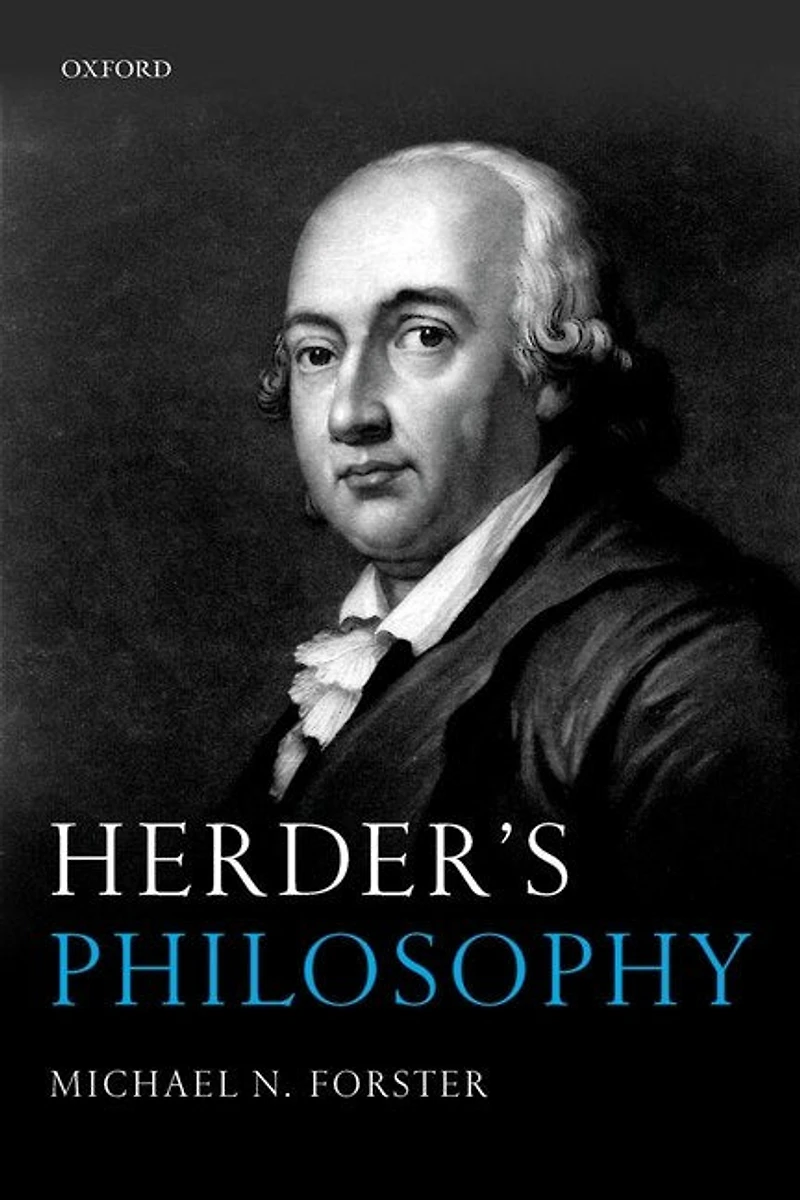
Herder's Philosophy in Brampton, ON
Current price: $71.50
Coles
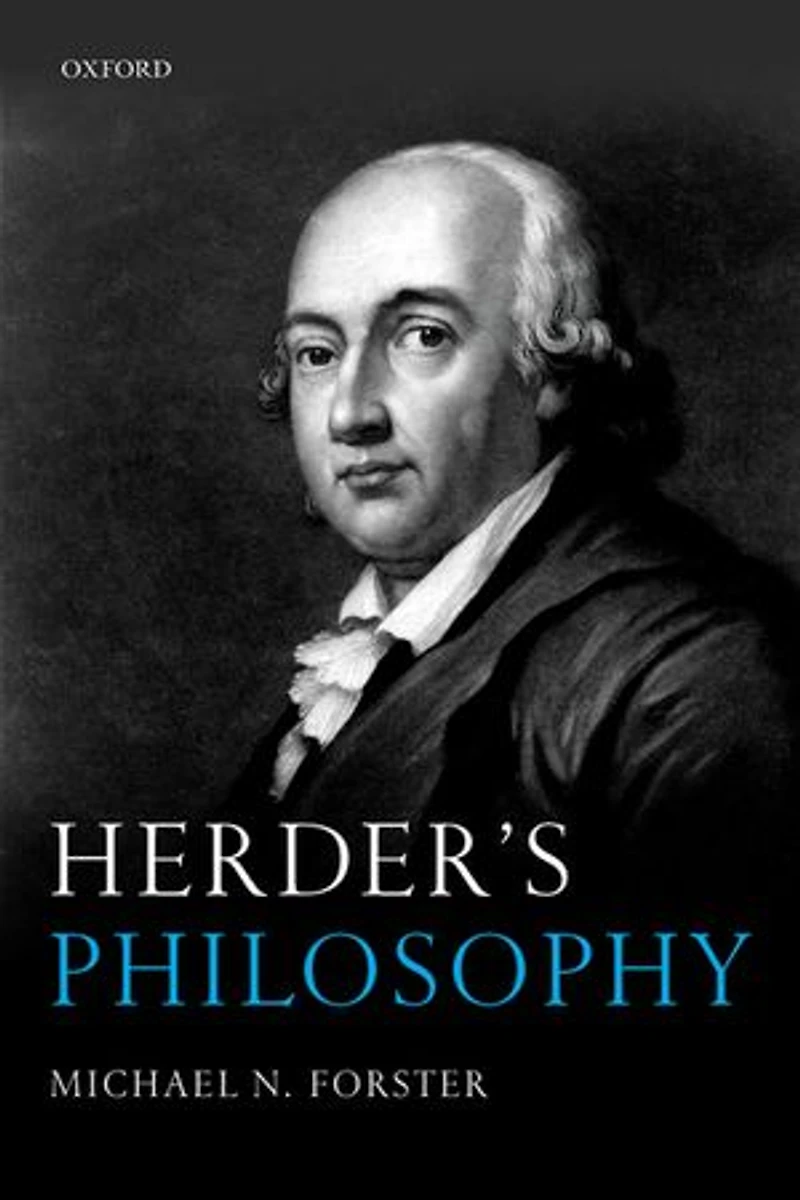
Herder's Philosophy in Brampton, ON
Current price: $71.50
Loading Inventory...
Size: Hardcover
*Product information and pricing may vary - to confirm current pricing, availability, shipping, and return information please contact Coles. In the event of a pricing discrepancy, the retailer's price will apply.
Johann Gottfried Herder (1744-1803) is a towering figure in modern thought, but one who has hitherto been severely underappreciated. Michael Forster seeks to rectify that situation He considers Herder's philosophy in the round and argues that it is both far more impressive in quality and far more influential in modern thought than has previously been realized. After an introduction on Herder's intellectual biography, philosophical style, and general program in philosophy, there are chapters on his philosophy of language, his hermeneutics, his theory of translation, his contribution of the philosophical foundations for both linguistics and cultural anthropology, his philosophy of mind, his aesthetics, his moral philosophy, his philosophy of history, his political philosophy, his philosophy of religion, and his intellectual influence. Forster argues that Herder contributed vitally important ideas in all of these areas; that in many of them his ideas were seminal for major subsequent philosophers, including Friedrich Schlegel, Schleiermacher, Wilhelm von Humboldt, Hegel, and Nietzsche; that they indeed founded whole new disciplines, such as linguistics, anthropology, and comparative literature; and that moreover they were in many cases even better than what these subsequent thinkers and disciplines went on to make of them.
Johann Gottfried Herder (1744-1803) is a towering figure in modern thought, but one who has hitherto been severely underappreciated. Michael Forster seeks to rectify that situation He considers Herder's philosophy in the round and argues that it is both far more impressive in quality and far more influential in modern thought than has previously been realized. After an introduction on Herder's intellectual biography, philosophical style, and general program in philosophy, there are chapters on his philosophy of language, his hermeneutics, his theory of translation, his contribution of the philosophical foundations for both linguistics and cultural anthropology, his philosophy of mind, his aesthetics, his moral philosophy, his philosophy of history, his political philosophy, his philosophy of religion, and his intellectual influence. Forster argues that Herder contributed vitally important ideas in all of these areas; that in many of them his ideas were seminal for major subsequent philosophers, including Friedrich Schlegel, Schleiermacher, Wilhelm von Humboldt, Hegel, and Nietzsche; that they indeed founded whole new disciplines, such as linguistics, anthropology, and comparative literature; and that moreover they were in many cases even better than what these subsequent thinkers and disciplines went on to make of them.
You May Also Like

















Find at Bramalea City Centre in Brampton, ON
Visit at Bramalea City Centre in Brampton, ON