



Gifting Made Simple
Give the Gift of ChoiceClick below to purchase a Bramalea City Centre eGift Card that can be used at participating retailers at Bramalea City Centre.Purchase HereHome
Hegel Reconsidered: Beyond Metaphysics and the Authoritarian State
Coles
Loading Inventory...
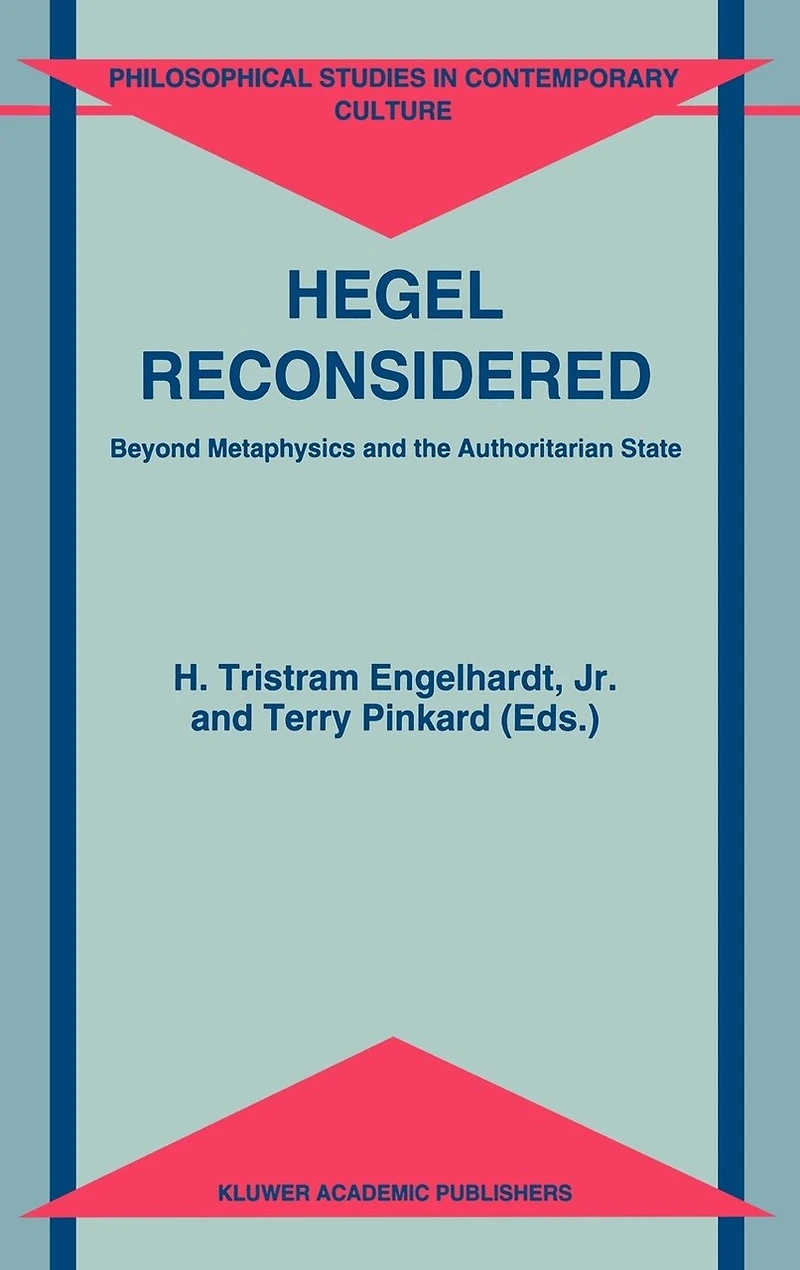
Hegel Reconsidered: Beyond Metaphysics and the Authoritarian State in Brampton, ON
Current price: $142.95
Coles
Hegel Reconsidered: Beyond Metaphysics and the Authoritarian State in Brampton, ON
Current price: $142.95
Loading Inventory...
Size: Hardcover
*Product information and pricing may vary - to confirm current pricing, availability, shipping, and return information please contact Coles. In the event of a pricing discrepancy, the retailer's price will apply.
Much of contemporary philosophy, political theory, and social thought has been shaped directly or indirectly by Georg Wilhelm Friedrich Hegel, though there is considerable disagreement about how his work should be understood. He has been described both as a metaphysician and characterized as an ironic narrator who anticipated the character of philosophy after metaphysics. His position is equally ambiguous with regard to his political thought. He has been construed both as an enemy of the liberal state and as a friend of freedom.
This volume's revisionist reassessment, building on the scholarship of Klaus Hartmann, explores these ambiguities in favor of a non-metaphysical reading of Hegel's arguments. It also shows how the foundations of his political thought support a liberal democratic state. This reappraisal of Hegel's arguments resituates him as a philosopher who anticipates the difficulties of post-modernity and offers a basis for reassessing ontology, aesthetics, and revolution. Philosophers and those doing work in political theory will find this volume of great interest.
Much of contemporary philosophy, political theory, and social thought has been shaped directly or indirectly by Georg Wilhelm Friedrich Hegel, though there is considerable disagreement about how his work should be understood. He has been described both as a metaphysician and characterized as an ironic narrator who anticipated the character of philosophy after metaphysics. His position is equally ambiguous with regard to his political thought. He has been construed both as an enemy of the liberal state and as a friend of freedom.
This volume's revisionist reassessment, building on the scholarship of Klaus Hartmann, explores these ambiguities in favor of a non-metaphysical reading of Hegel's arguments. It also shows how the foundations of his political thought support a liberal democratic state. This reappraisal of Hegel's arguments resituates him as a philosopher who anticipates the difficulties of post-modernity and offers a basis for reassessing ontology, aesthetics, and revolution. Philosophers and those doing work in political theory will find this volume of great interest.
You May Also Like









Find at Bramalea City Centre in Brampton, ON
Visit at Bramalea City Centre in Brampton, ON