



Gifting Made Simple
Give the Gift of ChoiceClick below to purchase a Bramalea City Centre eGift Card that can be used at participating retailers at Bramalea City Centre.Purchase HereHome
Gothic Fiction and The Writing of Trauma, 1914–1934: Ghosts World War One
Coles
Loading Inventory...
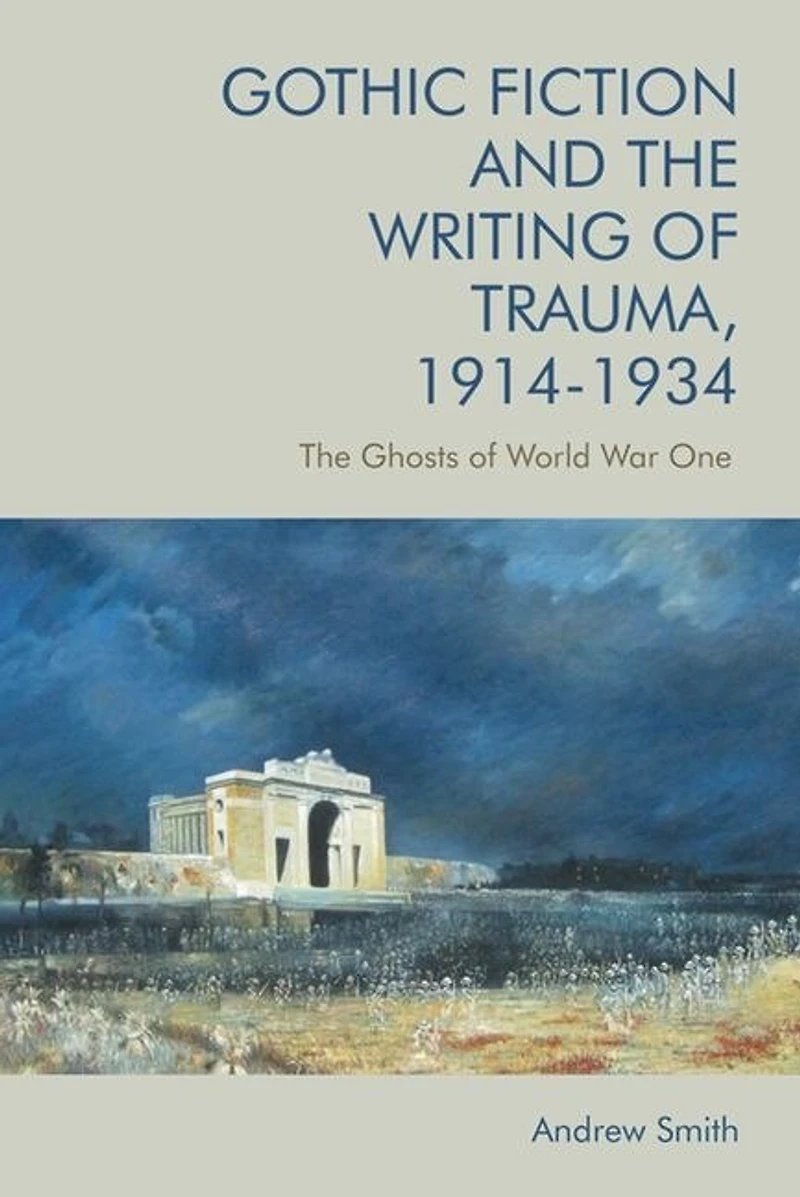
Gothic Fiction and The Writing of Trauma, 1914–1934: Ghosts World War One in Brampton, ON
Current price: $157.78
Coles
Gothic Fiction and The Writing of Trauma, 1914–1934: Ghosts World War One in Brampton, ON
Current price: $157.78
Loading Inventory...
Size: Hardcover
*Product information and pricing may vary - to confirm current pricing, availability, shipping, and return information please contact Coles. In the event of a pricing discrepancy, the retailer's price will apply.
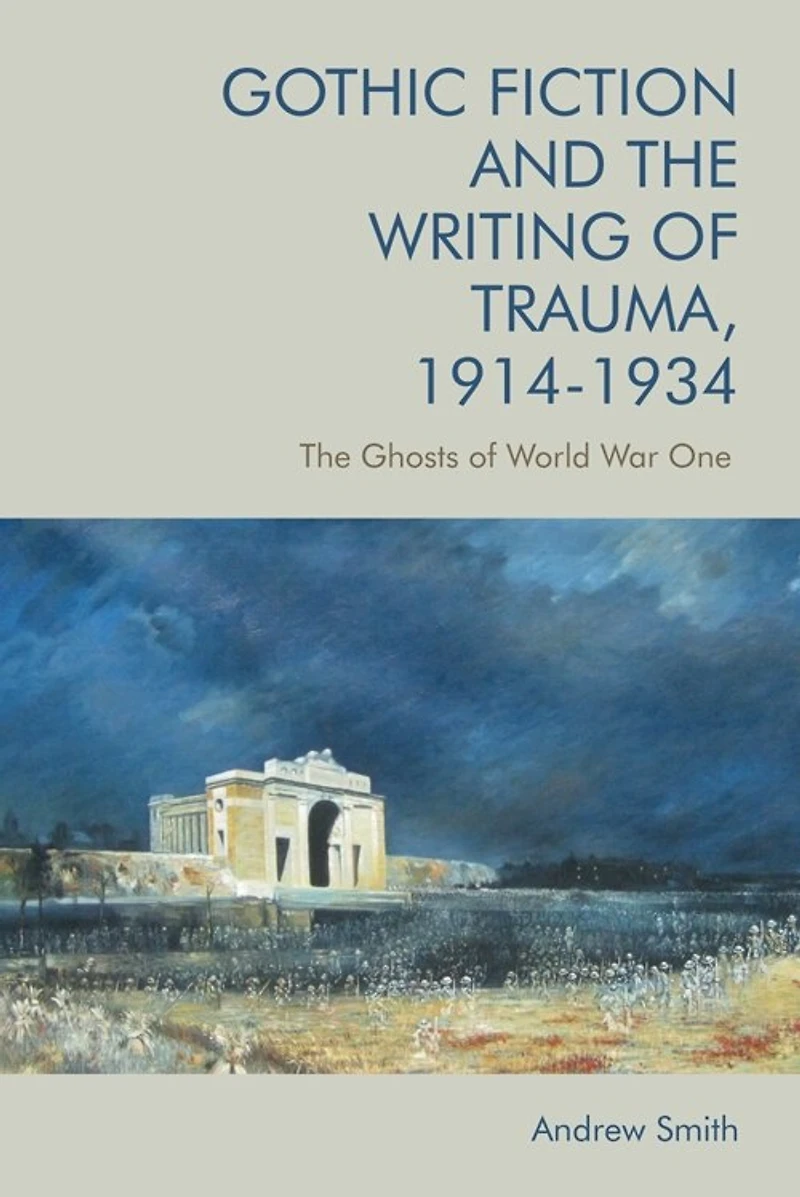
This book examines how the representation of the ghost-soldier in literature published between1914–1934, both marks the presence of trauma and attempts to make sense of it. Andrew Smith examines short stories, novels, poems and memoirs that employ ghosts to reflect upon feelings of loss, paralleling the literary context with accounts of shell-shock which construe the damaged soldier as psychologically missing and therefore spectre-like.
The author argues that literary and non-literary texts repeatedly deploy a form of the uncanny, familiar from a Gothic tradition, as a way of reflecting upon grief. In support of this claim, he draws on fiction by well-known authors such as M. R. James, E. F. Benson, Dorothy L. Sayers, and Dennis Wheatley, alongside largely forgotten contributions to The Strand and other periodical publications such as The Occult Review .
This book examines how the representation of the ghost-soldier in literature published between1914–1934, both marks the presence of trauma and attempts to make sense of it. Andrew Smith examines short stories, novels, poems and memoirs that employ ghosts to reflect upon feelings of loss, paralleling the literary context with accounts of shell-shock which construe the damaged soldier as psychologically missing and therefore spectre-like.
The author argues that literary and non-literary texts repeatedly deploy a form of the uncanny, familiar from a Gothic tradition, as a way of reflecting upon grief. In support of this claim, he draws on fiction by well-known authors such as M. R. James, E. F. Benson, Dorothy L. Sayers, and Dennis Wheatley, alongside largely forgotten contributions to The Strand and other periodical publications such as The Occult Review .
You May Also Like








Find at Bramalea City Centre in Brampton, ON
Visit at Bramalea City Centre in Brampton, ON