



Gifting Made Simple
Give the Gift of ChoiceClick below to purchase a Bramalea City Centre eGift Card that can be used at participating retailers at Bramalea City Centre.Purchase HereHome
Gombrowicz, Borges, and the Fictional Cosmos
Coles
Loading Inventory...
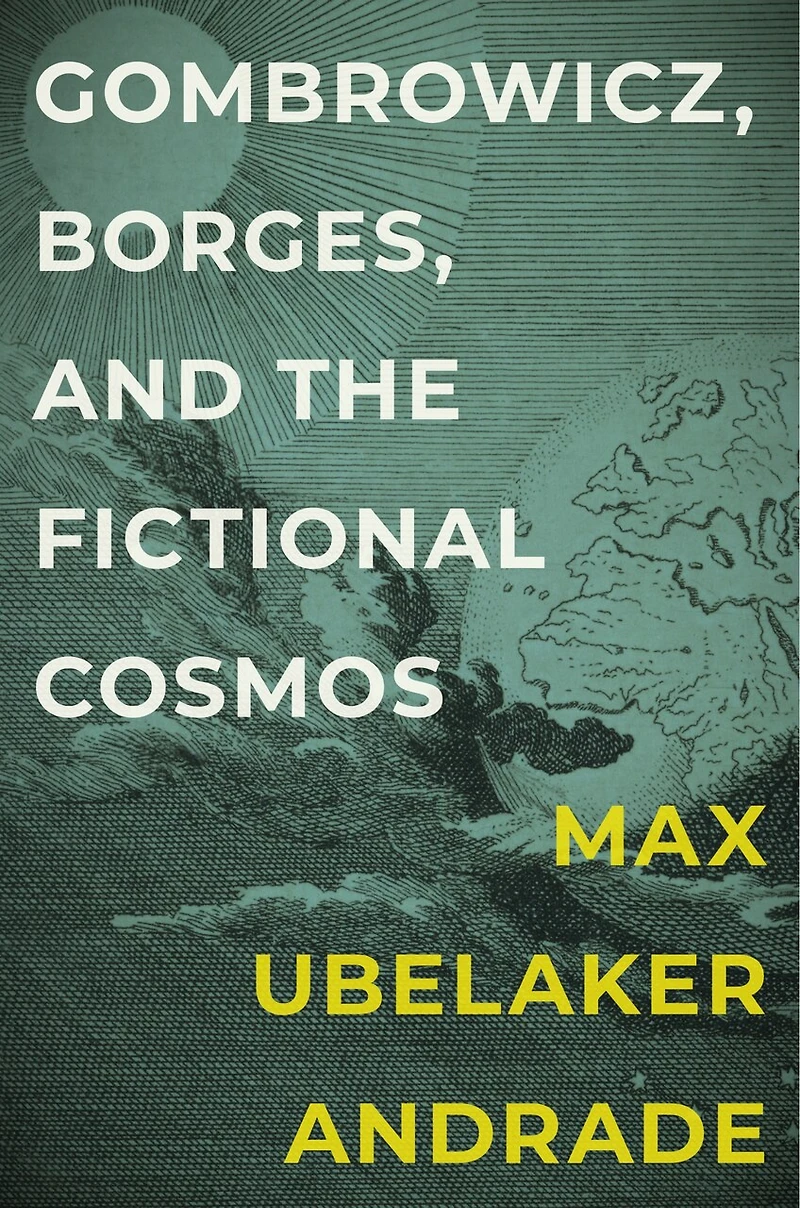
Gombrowicz, Borges, and the Fictional Cosmos in Brampton, ON
Current price: $188.00
Coles
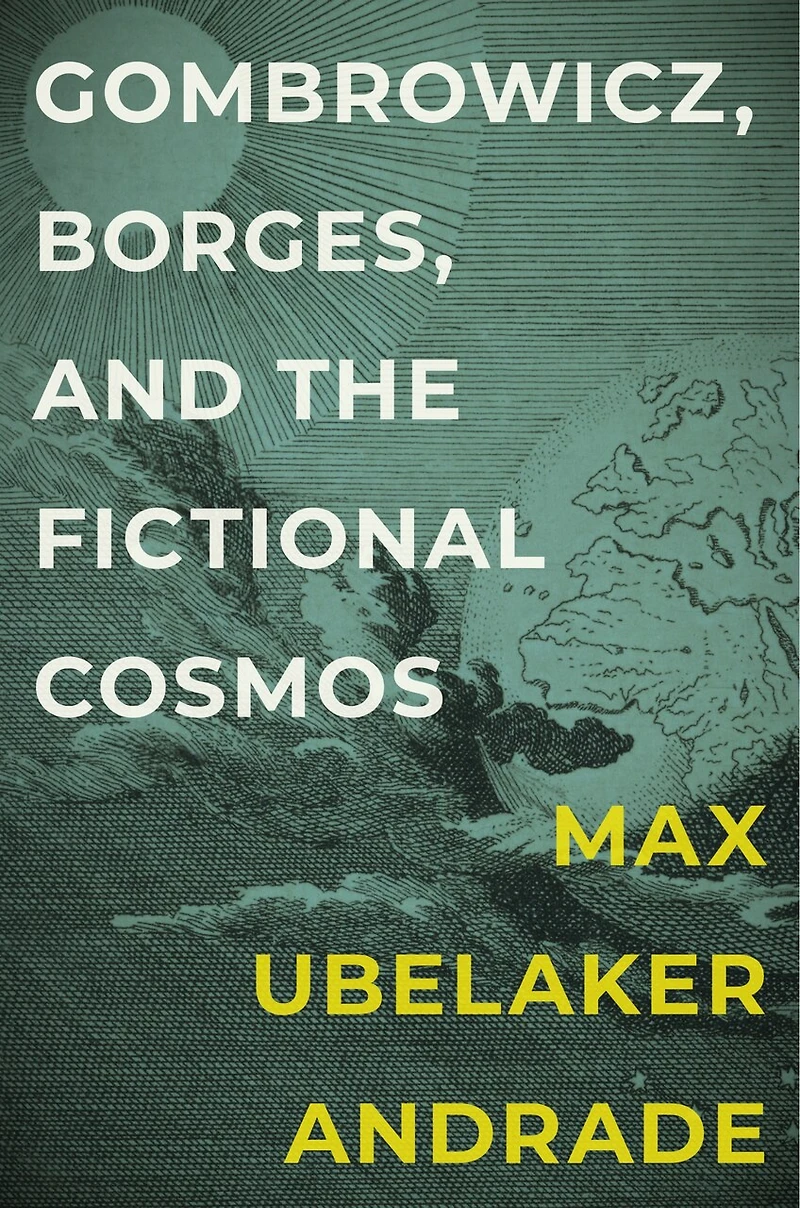
Gombrowicz, Borges, and the Fictional Cosmos in Brampton, ON
Current price: $188.00
Loading Inventory...
Size: Hardcover
*Product information and pricing may vary - to confirm current pricing, availability, shipping, and return information please contact Coles. In the event of a pricing discrepancy, the retailer's price will apply.
Polish author Witold Gombrowicz?s famously chaotic masterpiece, Cosmos , was profoundly influenced by Jorge Luis Borges?particularly by three key stories from Ficciones. Drawing on evidence that Gombrowicz read Ficciones in 1960, as well as handwritten marginalia in Gombrowicz?s copy of Adolfo Bioy Casares?s La invención de Morel , this groundbreaking study argues that Cosmos responded to Borges?s literary transformations of cartography, mathematical combinatorics, and Miguel de Cervantes?s Don Quijote . Along the way, it introduces the concept of ?immaterial bibliography? to analyze imaginary texts appearing in literary works. Finally, it examines the tension between Borges?s explicit racism and the ethical and aesthetic vision suggested by his fiction, revealing how rumor, rebellion, and literary inheritance shaped Gombrowicz?s reading of Borges, which in turn influenced the composition of his prizewinning last novel. Published by Bucknell University Press. Distributed worldwide by Rutgers University Press.
Polish author Witold Gombrowicz?s famously chaotic masterpiece, Cosmos , was profoundly influenced by Jorge Luis Borges?particularly by three key stories from Ficciones. Drawing on evidence that Gombrowicz read Ficciones in 1960, as well as handwritten marginalia in Gombrowicz?s copy of Adolfo Bioy Casares?s La invención de Morel , this groundbreaking study argues that Cosmos responded to Borges?s literary transformations of cartography, mathematical combinatorics, and Miguel de Cervantes?s Don Quijote . Along the way, it introduces the concept of ?immaterial bibliography? to analyze imaginary texts appearing in literary works. Finally, it examines the tension between Borges?s explicit racism and the ethical and aesthetic vision suggested by his fiction, revealing how rumor, rebellion, and literary inheritance shaped Gombrowicz?s reading of Borges, which in turn influenced the composition of his prizewinning last novel. Published by Bucknell University Press. Distributed worldwide by Rutgers University Press.
You May Also Like
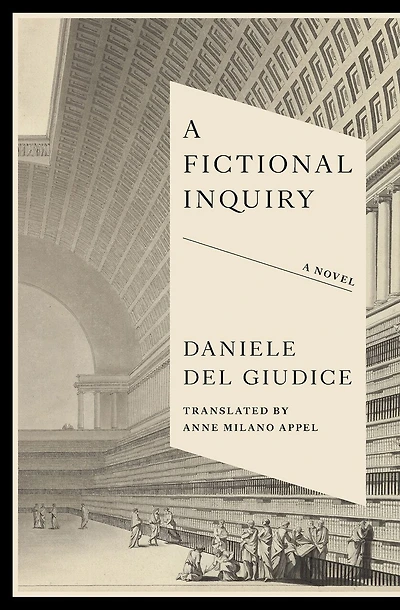
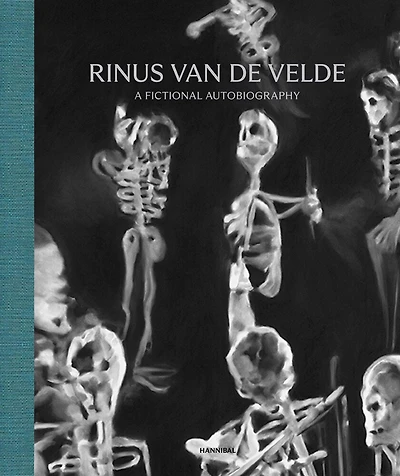










Find at Bramalea City Centre in Brampton, ON
Visit at Bramalea City Centre in Brampton, ON