



Gifting Made Simple
Give the Gift of ChoiceClick below to purchase a Bramalea City Centre eGift Card that can be used at participating retailers at Bramalea City Centre.Purchase HereHome
Globalization, Translation and Transmission: Sino-Judaic Cultural Identity Kaifeng, China
Coles
Loading Inventory...
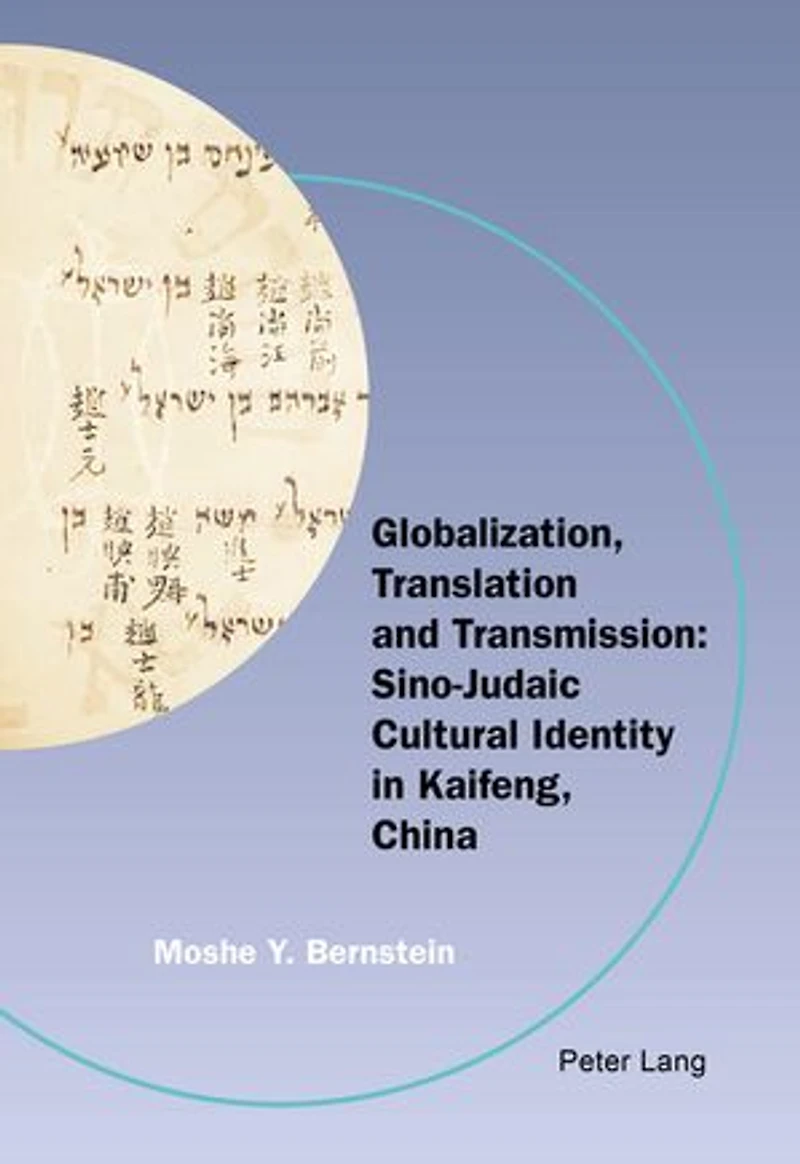
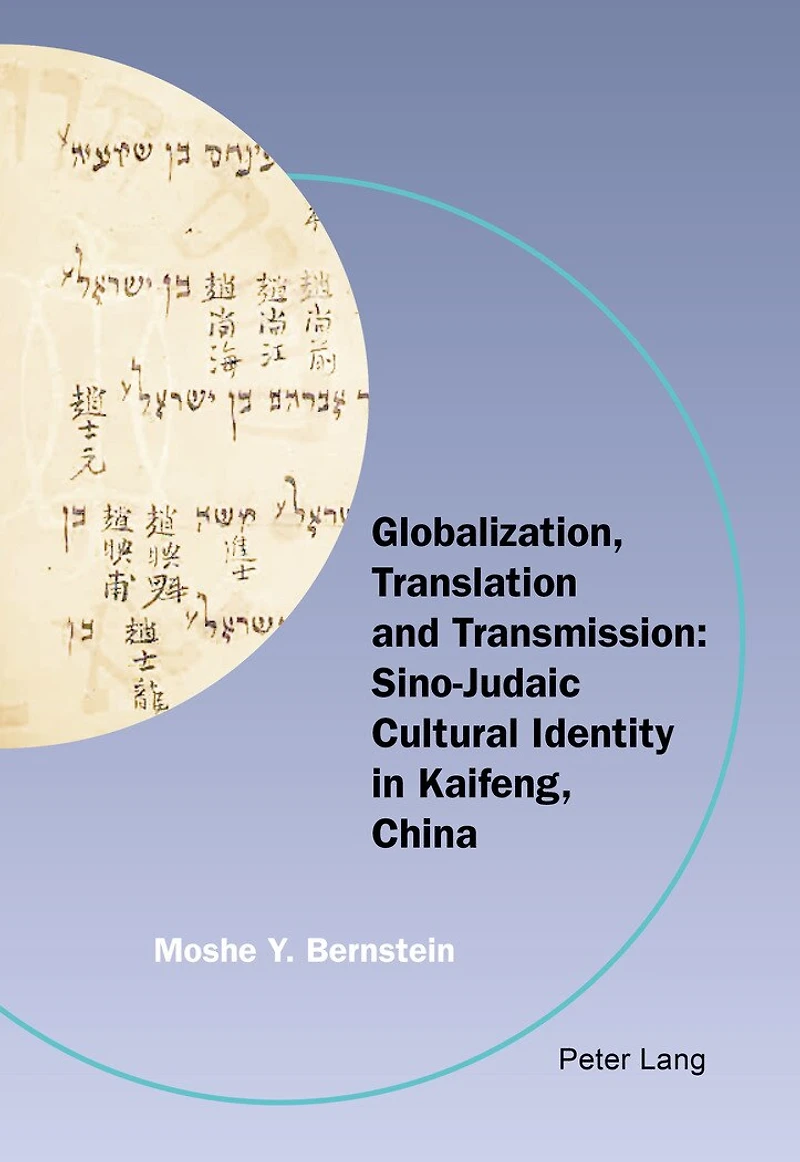
Globalization, Translation and Transmission: Sino-Judaic Cultural Identity Kaifeng, China in Brampton, ON
Current price: $100.99
Original price: $126.22
Coles
Globalization, Translation and Transmission: Sino-Judaic Cultural Identity Kaifeng, China in Brampton, ON
Current price: $100.99
Original price: $126.22
Loading Inventory...
Size: Kobo eBook
*Product information and pricing may vary - to confirm current pricing, availability, shipping, and return information please contact Coles. In the event of a pricing discrepancy, the retailer's price will apply.
Around the tenth century Jewish merchants from Central Asia arrived in Kaifeng. Welcomed by the Emperor, they integrated into China’s economy, society and culture. They intermarried with their hosts, following patrilocal custom with Chinese wives adopting their husbands’ Jewish traditions. In 1163 they built a synagogue, where the group, numbering 5,000 at its apex in the sixteenth century, continued to conduct Jewish rituals for seven centuries. Despite the loss of this building in 1849 by flooding, the families and clans of Jewish descent continued to recall their ancestral identity and preserved a few basic customs. In 1978 with the "opening-up" of China, foreign visitors to Kaifeng generated both a renewed interest in the group and a communal revival of its Jewish identification. This cultural revival has created both opportunities and risks, due largely to an ambivalent Chinese policy denying ethnic status to the Kaifeng Jews while allowing them limited cultural expression. This book explores how a small minority was able to transmit its blend of Sino-Judaic culture over the centuries and how their descendants are striving to revitalise that cultural heritage today.
Around the tenth century Jewish merchants from Central Asia arrived in Kaifeng. Welcomed by the Emperor, they integrated into China’s economy, society and culture. They intermarried with their hosts, following patrilocal custom with Chinese wives adopting their husbands’ Jewish traditions. In 1163 they built a synagogue, where the group, numbering 5,000 at its apex in the sixteenth century, continued to conduct Jewish rituals for seven centuries. Despite the loss of this building in 1849 by flooding, the families and clans of Jewish descent continued to recall their ancestral identity and preserved a few basic customs. In 1978 with the "opening-up" of China, foreign visitors to Kaifeng generated both a renewed interest in the group and a communal revival of its Jewish identification. This cultural revival has created both opportunities and risks, due largely to an ambivalent Chinese policy denying ethnic status to the Kaifeng Jews while allowing them limited cultural expression. This book explores how a small minority was able to transmit its blend of Sino-Judaic culture over the centuries and how their descendants are striving to revitalise that cultural heritage today.
You May Also Like








Find at Bramalea City Centre in Brampton, ON
Visit at Bramalea City Centre in Brampton, ON