



Gifting Made Simple
Give the Gift of ChoiceClick below to purchase a Bramalea City Centre eGift Card that can be used at participating retailers at Bramalea City Centre.Purchase HereHome
Global Civil Society in International Lawmaking and Global Governance: Theory and Practice
Coles
Loading Inventory...
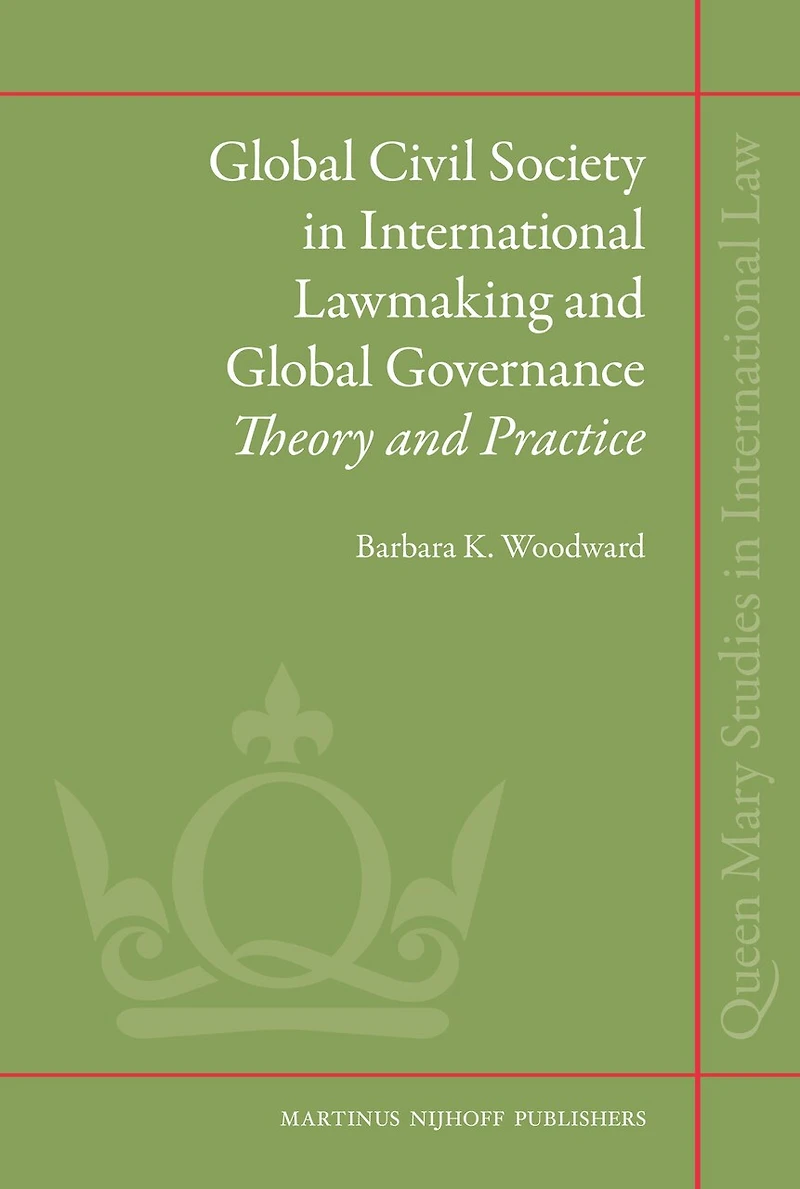
Global Civil Society in International Lawmaking and Global Governance: Theory and Practice in Brampton, ON
Current price: $366.99
Coles
Global Civil Society in International Lawmaking and Global Governance: Theory and Practice in Brampton, ON
Current price: $366.99
Loading Inventory...
Size: Hardcover
*Product information and pricing may vary - to confirm current pricing, availability, shipping, and return information please contact Coles. In the event of a pricing discrepancy, the retailer's price will apply.
International law scholarship has not adequately recognised the magnitude of the role of ‘global civil society’ in ‘global governance’ and ‘international lawmaking.’ Building upon theoretical, historical and legal scholarship and presenting studies of GCS actor practice in a wide range of lawmaking processes, including treaty-making, conferences, international organisations and adjudicatory mechanisms, this book convincingly demonstrates that GCS actors have created and influenced the creation of norms of binding public international law and influential non-binding ‘soft’ or non-law. It presents a compelling case that calls for augmenting GCS access to information, participation in legal decision-making processes for those likely to be affected, and access justice thereby enhancing the legitimacy of public international law.
International law scholarship has not adequately recognised the magnitude of the role of ‘global civil society’ in ‘global governance’ and ‘international lawmaking.’ Building upon theoretical, historical and legal scholarship and presenting studies of GCS actor practice in a wide range of lawmaking processes, including treaty-making, conferences, international organisations and adjudicatory mechanisms, this book convincingly demonstrates that GCS actors have created and influenced the creation of norms of binding public international law and influential non-binding ‘soft’ or non-law. It presents a compelling case that calls for augmenting GCS access to information, participation in legal decision-making processes for those likely to be affected, and access justice thereby enhancing the legitimacy of public international law.
You May Also Like









Find at Bramalea City Centre in Brampton, ON
Visit at Bramalea City Centre in Brampton, ON