



Gifting Made Simple
Give the Gift of ChoiceClick below to purchase a Bramalea City Centre eGift Card that can be used at participating retailers at Bramalea City Centre.Purchase HereHome
Global Capital, National State And The Politics Of Money
Coles
Loading Inventory...
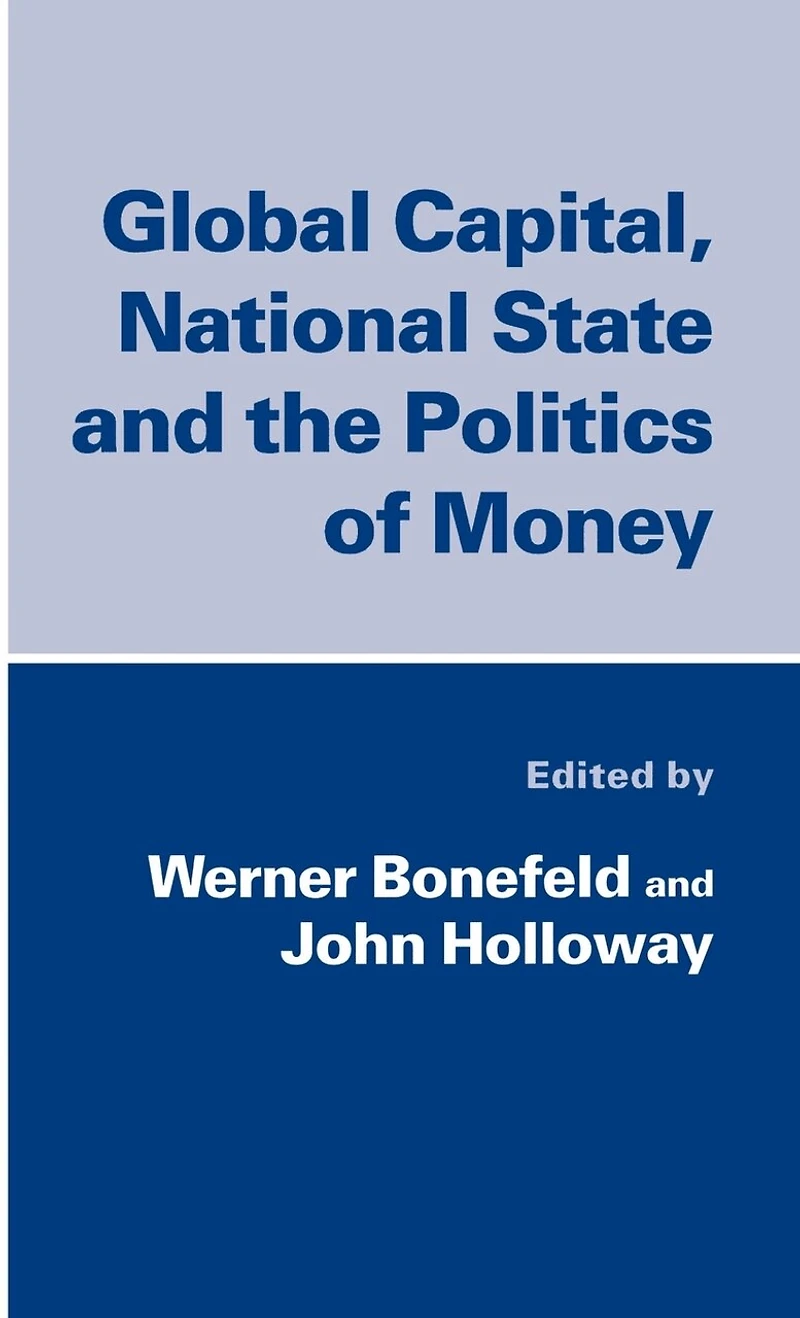
Global Capital, National State And The Politics Of Money in Brampton, ON
Current price: $160.95
Coles
Global Capital, National State And The Politics Of Money in Brampton, ON
Current price: $160.95
Loading Inventory...
Size: Hardcover
*Product information and pricing may vary - to confirm current pricing, availability, shipping, and return information please contact Coles. In the event of a pricing discrepancy, the retailer's price will apply.
The relationship between the state and money has changed radically since the breakdown of the Bretton Woods system, as a result of factors such as the floating of exchange rates, the deregulation of international money markets, the international debt crisis of the 1980s, the continued expansion of global debt and a growing dissociation between monetary and productive accumulation. In this context it is important to reconsider the politics of 'money' and the relationship between the national state and the global economy. The contributors argue that the practical importance of monetarism and neo-liberalism in general derived not from its coherence as a doctrine but from the change in the relationship between states and international money, following the breakdown of Bretton Woods. The essays in this book are all theoretical explorations of the new politics of world money and world debt.
The relationship between the state and money has changed radically since the breakdown of the Bretton Woods system, as a result of factors such as the floating of exchange rates, the deregulation of international money markets, the international debt crisis of the 1980s, the continued expansion of global debt and a growing dissociation between monetary and productive accumulation. In this context it is important to reconsider the politics of 'money' and the relationship between the national state and the global economy. The contributors argue that the practical importance of monetarism and neo-liberalism in general derived not from its coherence as a doctrine but from the change in the relationship between states and international money, following the breakdown of Bretton Woods. The essays in this book are all theoretical explorations of the new politics of world money and world debt.
You May Also Like









Find at Bramalea City Centre in Brampton, ON
Visit at Bramalea City Centre in Brampton, ON