



Gifting Made Simple
Give the Gift of ChoiceClick below to purchase a Bramalea City Centre eGift Card that can be used at participating retailers at Bramalea City Centre.Purchase HereHome
Germany and the Black Diaspora: Points of Contact, 1250-1914
Coles
Loading Inventory...

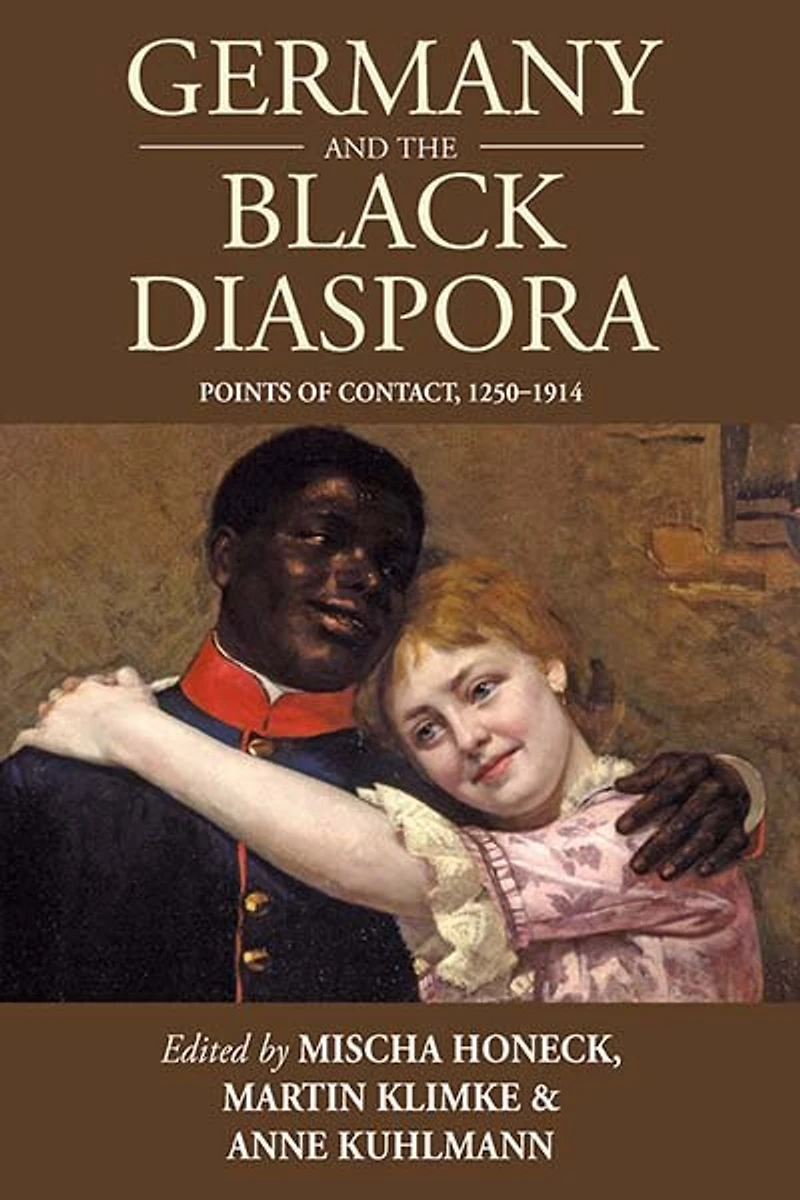
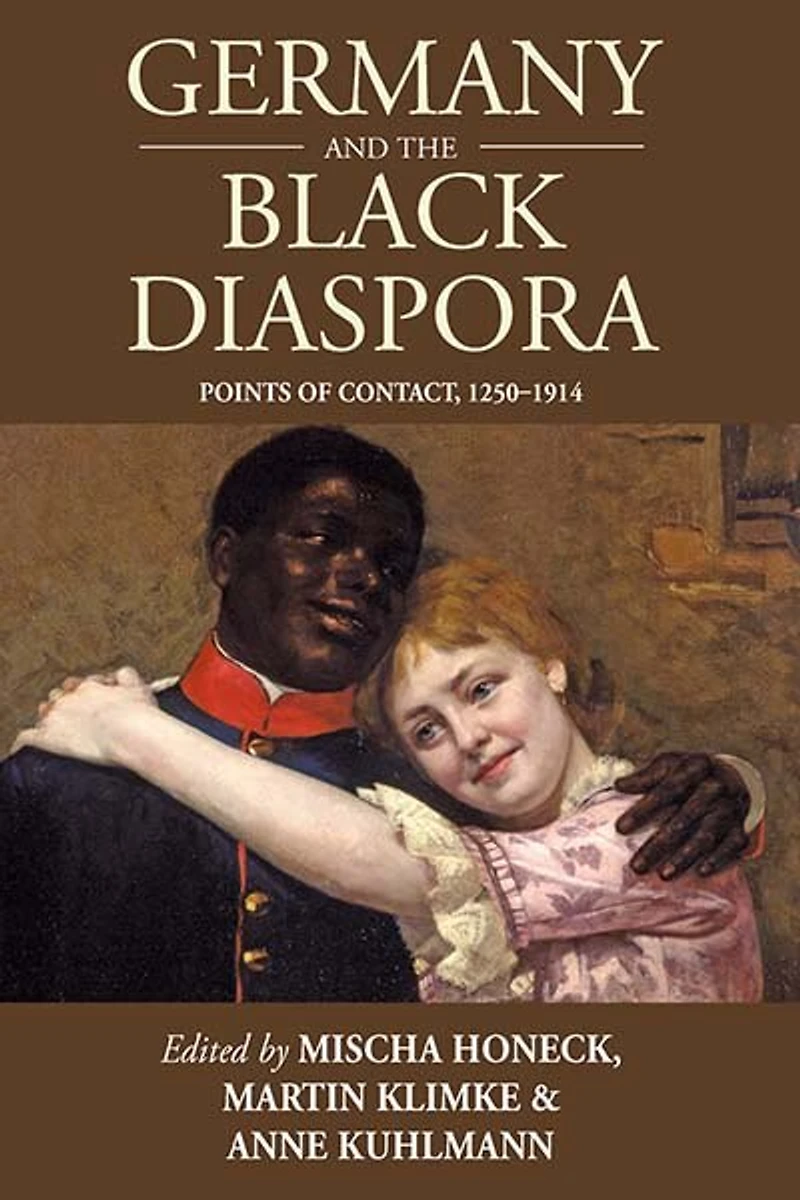
Germany and the Black Diaspora: Points of Contact, 1250-1914 in Brampton, ON
Current price: $27.09
Original price: $33.86
Coles
Germany and the Black Diaspora: Points of Contact, 1250-1914 in Brampton, ON
Current price: $27.09
Original price: $33.86
Loading Inventory...
Size: Kobo eBook
*Product information and pricing may vary - to confirm current pricing, availability, shipping, and return information please contact Coles. In the event of a pricing discrepancy, the retailer's price will apply.
The rich history of encounters prior to World War I between people from German-speaking parts of Europe and people of African descent has gone largely unnoticed in the historical literature—not least because Germany became a nation and engaged in colonization much later than other European nations. This volume presents intersections of Black and German history over eight centuries while mapping continuities and ruptures in Germans' perceptions of Blacks. Juxtaposing these intersections demonstrates that negative German perceptions of Blackness proceeded from nineteenth-century racial theories, and that earlier constructions of “race” were far more differentiated. The contributors present a wide range of Black–German encounters, from representations of Black saints in religious medieval art to Black Hessians fighting in the American Revolutionary War, from Cameroonian children being educated in Germany to African American agriculturalists in Germany's protectorate, Togoland. Each chapter probes individual and collective responses to these intercultural points of contact.
The rich history of encounters prior to World War I between people from German-speaking parts of Europe and people of African descent has gone largely unnoticed in the historical literature—not least because Germany became a nation and engaged in colonization much later than other European nations. This volume presents intersections of Black and German history over eight centuries while mapping continuities and ruptures in Germans' perceptions of Blacks. Juxtaposing these intersections demonstrates that negative German perceptions of Blackness proceeded from nineteenth-century racial theories, and that earlier constructions of “race” were far more differentiated. The contributors present a wide range of Black–German encounters, from representations of Black saints in religious medieval art to Black Hessians fighting in the American Revolutionary War, from Cameroonian children being educated in Germany to African American agriculturalists in Germany's protectorate, Togoland. Each chapter probes individual and collective responses to these intercultural points of contact.
You May Also Like
















Find at Bramalea City Centre in Brampton, ON
Visit at Bramalea City Centre in Brampton, ON