



Gifting Made Simple
Give the Gift of ChoiceClick below to purchase a Bramalea City Centre eGift Card that can be used at participating retailers at Bramalea City Centre.Purchase HereHome
German Infantryman vs British Infantryman: France 1940
Coles
Loading Inventory...
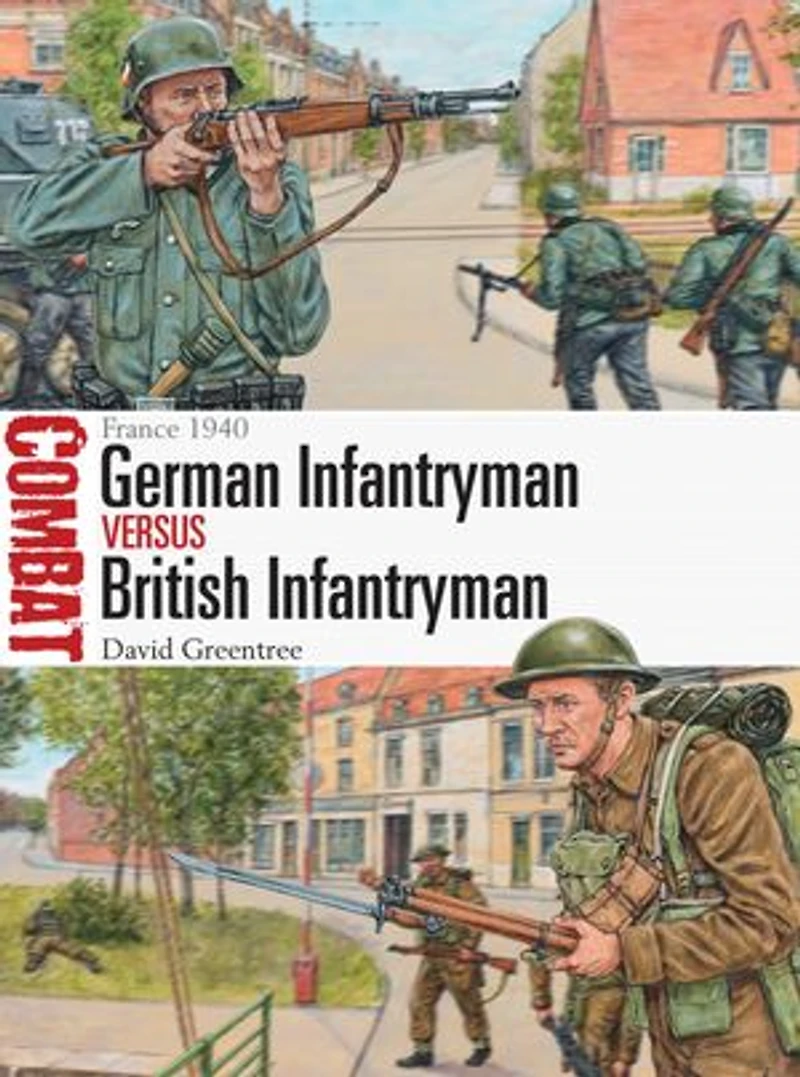
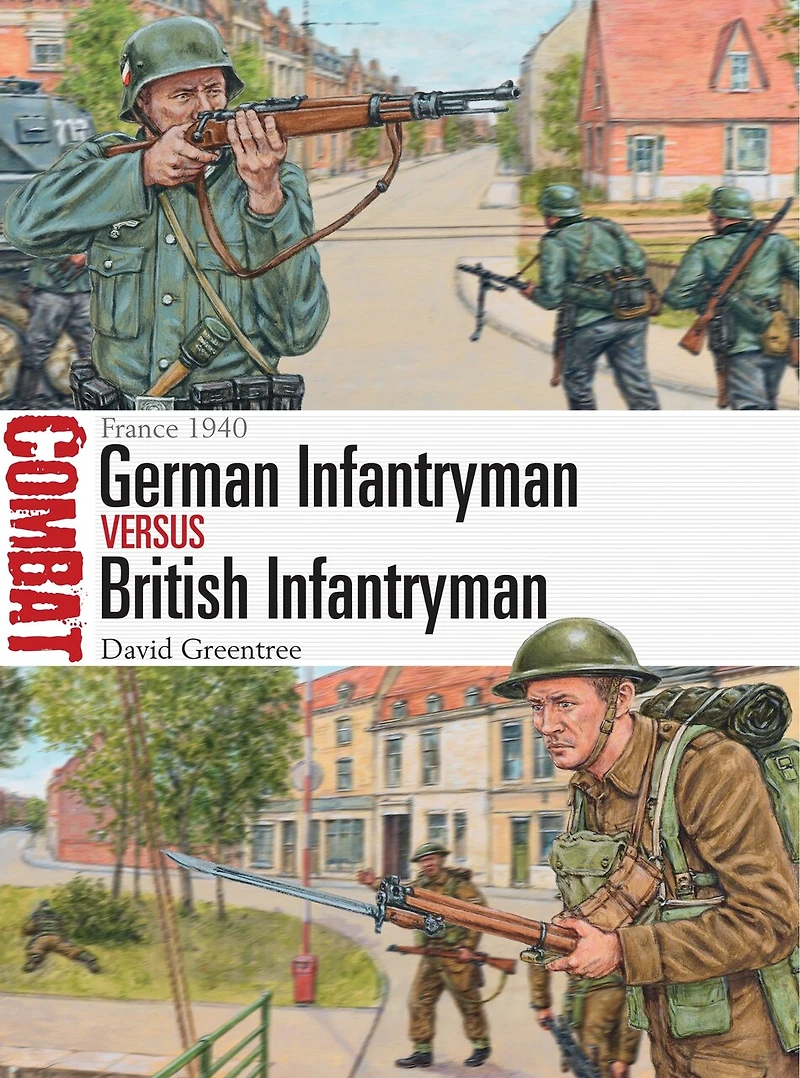
German Infantryman vs British Infantryman: France 1940 in Brampton, ON
Current price: $19.89
Original price: $24.80
Coles
German Infantryman vs British Infantryman: France 1940 in Brampton, ON
Current price: $19.89
Original price: $24.80
Loading Inventory...
Size: Kobo eBook (2015 A)
*Product information and pricing may vary - to confirm current pricing, availability, shipping, and return information please contact Coles. In the event of a pricing discrepancy, the retailer's price will apply.
When Hitler's forces poured into France and the Low Countries in 1940, the uneasy peace of the 'Phoney War' was shattered, and Europe was ripped apart by another Blitzkrieg. Forming the backbone of the German advance were the mobile, well-equipped Schützen (Rifles), motorized infantry who embodied the essence of the fluid, swift warfare that had characterized World War II thus far. Facing them were infantrymen of the British Expeditionary Force, units of considerable fighting quality who had nevertheless had no special training or doctrinal instruction to conduct combined-arms warfare in conjunction with armor.
This study investigates the clash between the two adversaries at small-unit level, recreating the ferocity of the fighting on the front lines of the Battle of France. It assesses the training, organization and unit ethos of both sides in the context of a new type of mobile warfare, and reveals the extraordinary difficulties encountered by infantry units in trying to remain in contact with their armored and mechanized formations. Drawing on first-hand combat reports and iluminative illustrations, it focuses on three key clashes at Arras, Calais and Merville and goes onto explore the important lessons learned by both sides about the nature of combined-arms warfare.
When Hitler's forces poured into France and the Low Countries in 1940, the uneasy peace of the 'Phoney War' was shattered, and Europe was ripped apart by another Blitzkrieg. Forming the backbone of the German advance were the mobile, well-equipped Schützen (Rifles), motorized infantry who embodied the essence of the fluid, swift warfare that had characterized World War II thus far. Facing them were infantrymen of the British Expeditionary Force, units of considerable fighting quality who had nevertheless had no special training or doctrinal instruction to conduct combined-arms warfare in conjunction with armor.
This study investigates the clash between the two adversaries at small-unit level, recreating the ferocity of the fighting on the front lines of the Battle of France. It assesses the training, organization and unit ethos of both sides in the context of a new type of mobile warfare, and reveals the extraordinary difficulties encountered by infantry units in trying to remain in contact with their armored and mechanized formations. Drawing on first-hand combat reports and iluminative illustrations, it focuses on three key clashes at Arras, Calais and Merville and goes onto explore the important lessons learned by both sides about the nature of combined-arms warfare.
You May Also Like










Find at Bramalea City Centre in Brampton, ON
Visit at Bramalea City Centre in Brampton, ON