



Gifting Made Simple
Give the Gift of ChoiceClick below to purchase a Bramalea City Centre eGift Card that can be used at participating retailers at Bramalea City Centre.Purchase HereHome
Geospatial Technologies and Geography Education a Changing World: Practices Lessons Learned
Coles
Loading Inventory...
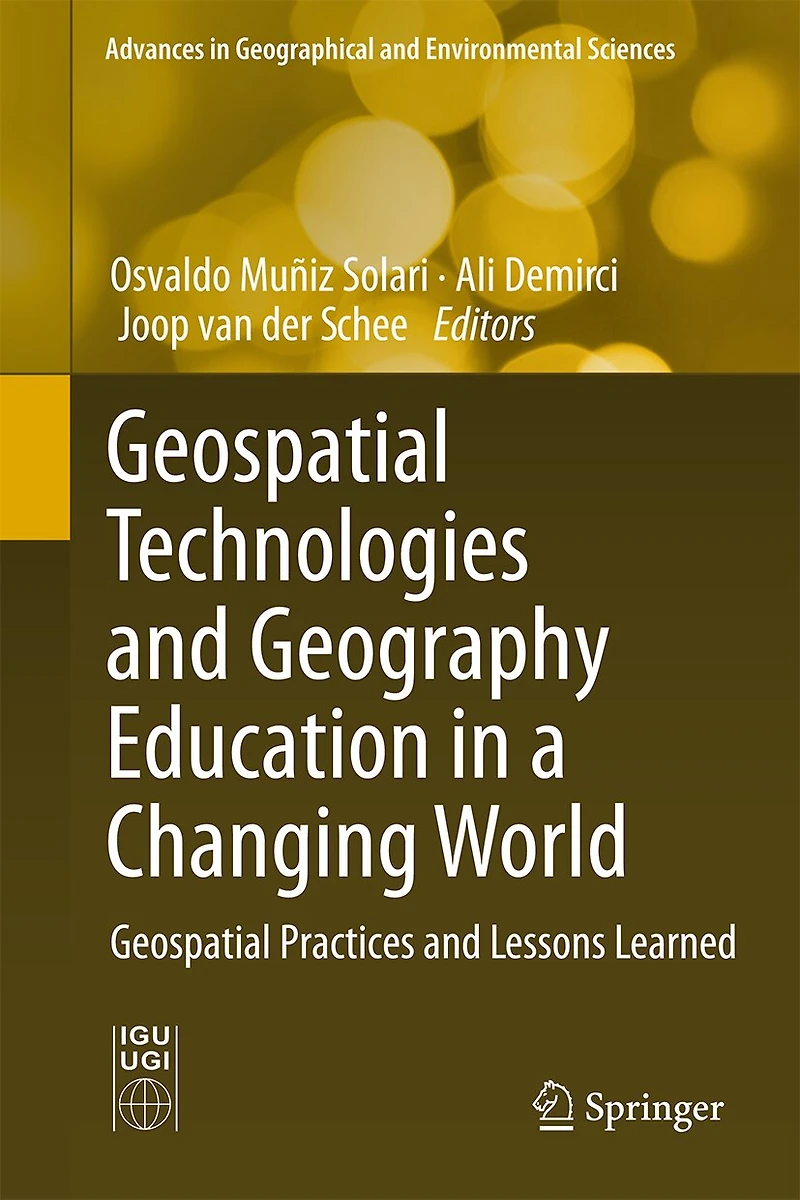
Geospatial Technologies and Geography Education a Changing World: Practices Lessons Learned in Brampton, ON
Current price: $248.50
Coles
Geospatial Technologies and Geography Education a Changing World: Practices Lessons Learned in Brampton, ON
Current price: $248.50
Loading Inventory...
Size: Hardcover
*Product information and pricing may vary - to confirm current pricing, availability, shipping, and return information please contact Coles. In the event of a pricing discrepancy, the retailer's price will apply.
This book is an initiative presented by the Commission on Geographical Education of the International Geographical Union. It focuses particularly on what has been learned from geospatial projects and research from the past decades of implementing geospatial technologies (GST) in formal and informal education. The objective of this publication is to inform an international audience of teachers, professionals, scholars, and policymakers about the state of the art and prospects of geospatial practices (GPs) as organized activities that use GST and lessons learned in relation to geographical education. GST make up an advanced body of knowledge developed by practitioners of geographic information systems (GIS), remote sensing (RS), global positioning systems, (GPS), and digital cartography (DC). GST have long been applied in many different sectors; however, their first use in higher education began in the early 1980s and then diffused to secondary schools during the 1990s. Starting with GIS and RS, it evolved into a much broader context, as GST expanded to include GPS and DC with new communication technologies and Internet applications. GST have been used around the world as a combination of tools and special techniques to make research, teaching, and learning more effective.
This book is an initiative presented by the Commission on Geographical Education of the International Geographical Union. It focuses particularly on what has been learned from geospatial projects and research from the past decades of implementing geospatial technologies (GST) in formal and informal education. The objective of this publication is to inform an international audience of teachers, professionals, scholars, and policymakers about the state of the art and prospects of geospatial practices (GPs) as organized activities that use GST and lessons learned in relation to geographical education. GST make up an advanced body of knowledge developed by practitioners of geographic information systems (GIS), remote sensing (RS), global positioning systems, (GPS), and digital cartography (DC). GST have long been applied in many different sectors; however, their first use in higher education began in the early 1980s and then diffused to secondary schools during the 1990s. Starting with GIS and RS, it evolved into a much broader context, as GST expanded to include GPS and DC with new communication technologies and Internet applications. GST have been used around the world as a combination of tools and special techniques to make research, teaching, and learning more effective.
You May Also Like












Find at Bramalea City Centre in Brampton, ON
Visit at Bramalea City Centre in Brampton, ON