



Gifting Made Simple
Give the Gift of ChoiceClick below to purchase a Bramalea City Centre eGift Card that can be used at participating retailers at Bramalea City Centre.Purchase HereHome
Geographies of Encounter: The Making and Unmaking Multi-Religious Spaces
Coles
Loading Inventory...
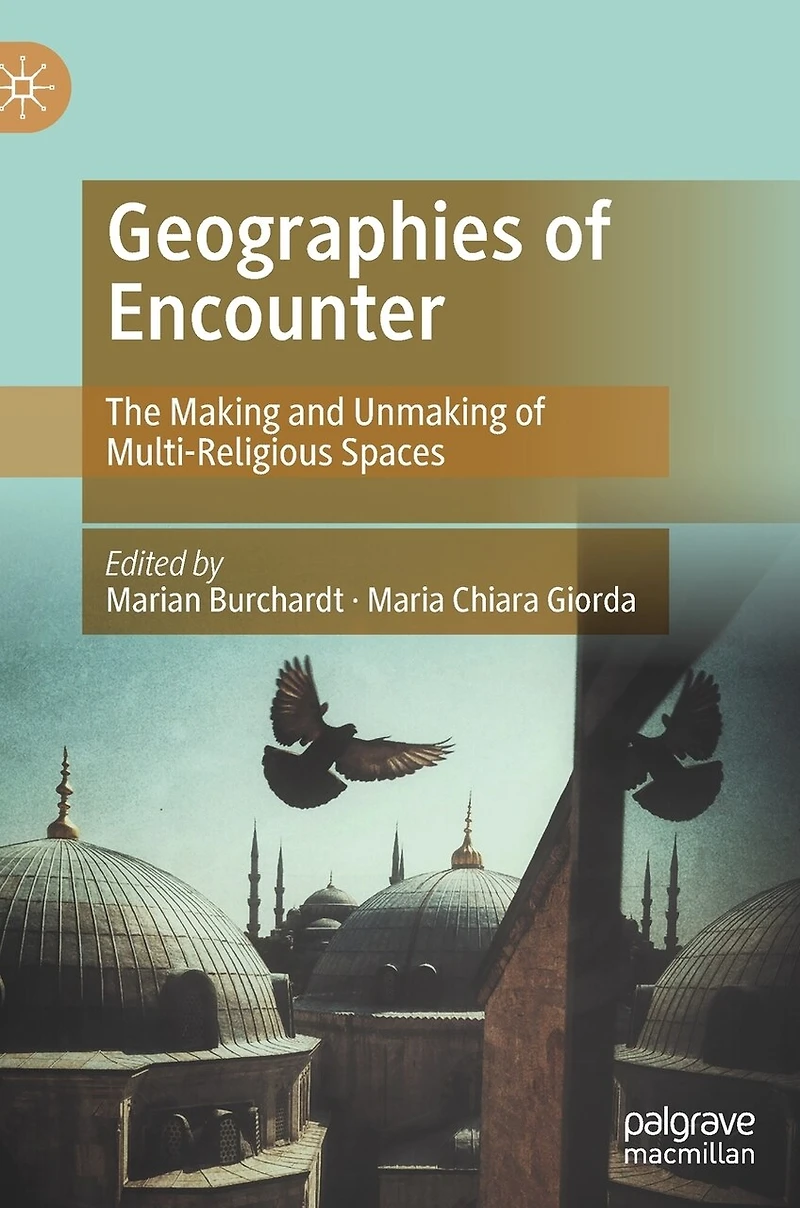
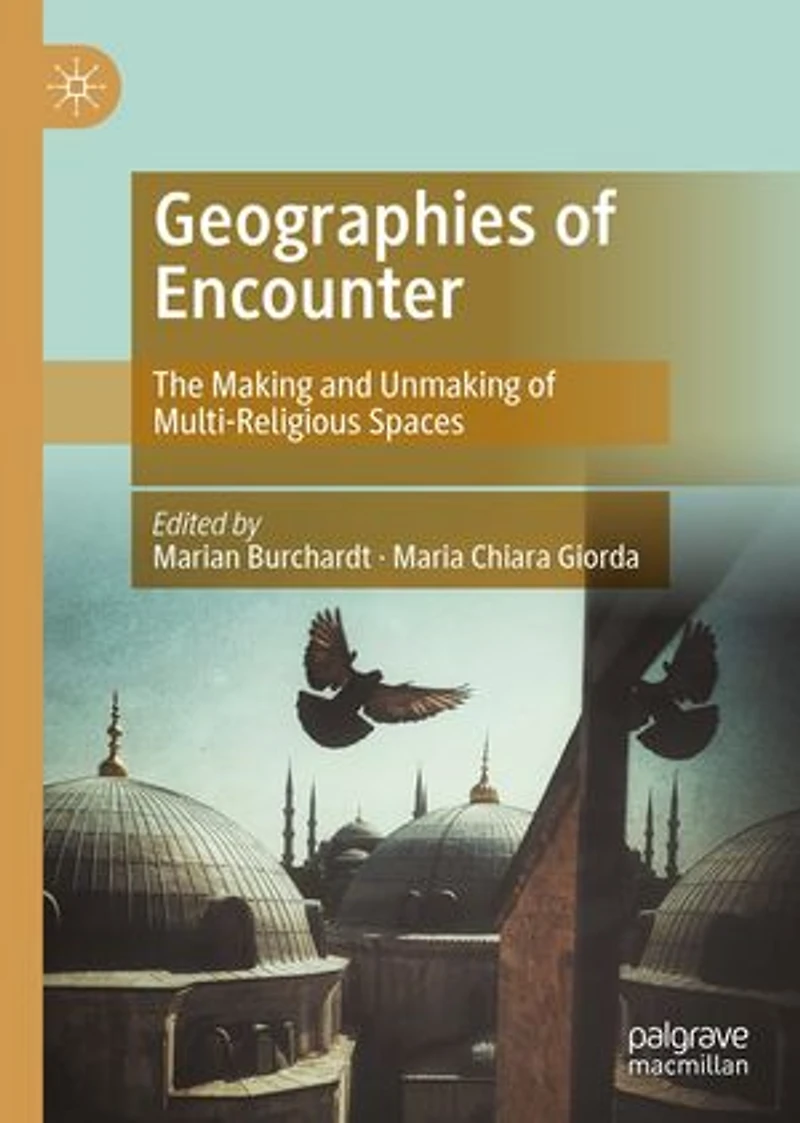
Geographies of Encounter: The Making and Unmaking Multi-Religious Spaces in Brampton, ON
Current price: $204.50
Coles
Geographies of Encounter: The Making and Unmaking Multi-Religious Spaces in Brampton, ON
Current price: $204.50
Loading Inventory...
Size: Hardcover
*Product information and pricing may vary - to confirm current pricing, availability, shipping, and return information please contact Coles. In the event of a pricing discrepancy, the retailer's price will apply.
This edited collection explores forms of multi-religious cohabitation as well as the spatial arrangements that underpin and shape them through sixteen chapters that range across disciplines, historical periods, and global geographies. Focusing on interactions between different religious groups and traditions, the authors conceptualize three types of spatial arrangements and explore how they operate ad geographies of encounter; i.e., multi-religious places , multi-religious cities , and multi-religious landscapes . With perspectives from anthropologists, historians, sociologists, and geographers, the book demonstrates the multiple ways in which geographies of interreligious encounters and forms of multi-religious cohabitation have changed throughout history due to their embeddedness id different frameworks of political organization, shifting religious ideologies, and changing forms of human mobility.
This edited collection explores forms of multi-religious cohabitation as well as the spatial arrangements that underpin and shape them through sixteen chapters that range across disciplines, historical periods, and global geographies. Focusing on interactions between different religious groups and traditions, the authors conceptualize three types of spatial arrangements and explore how they operate ad geographies of encounter; i.e., multi-religious places , multi-religious cities , and multi-religious landscapes . With perspectives from anthropologists, historians, sociologists, and geographers, the book demonstrates the multiple ways in which geographies of interreligious encounters and forms of multi-religious cohabitation have changed throughout history due to their embeddedness id different frameworks of political organization, shifting religious ideologies, and changing forms of human mobility.
You May Also Like









Find at Bramalea City Centre in Brampton, ON
Visit at Bramalea City Centre in Brampton, ON