



Gifting Made Simple
Give the Gift of ChoiceClick below to purchase a Bramalea City Centre eGift Card that can be used at participating retailers at Bramalea City Centre.Purchase HereHome
Gender and African Indigenous Religions
Coles
Loading Inventory...
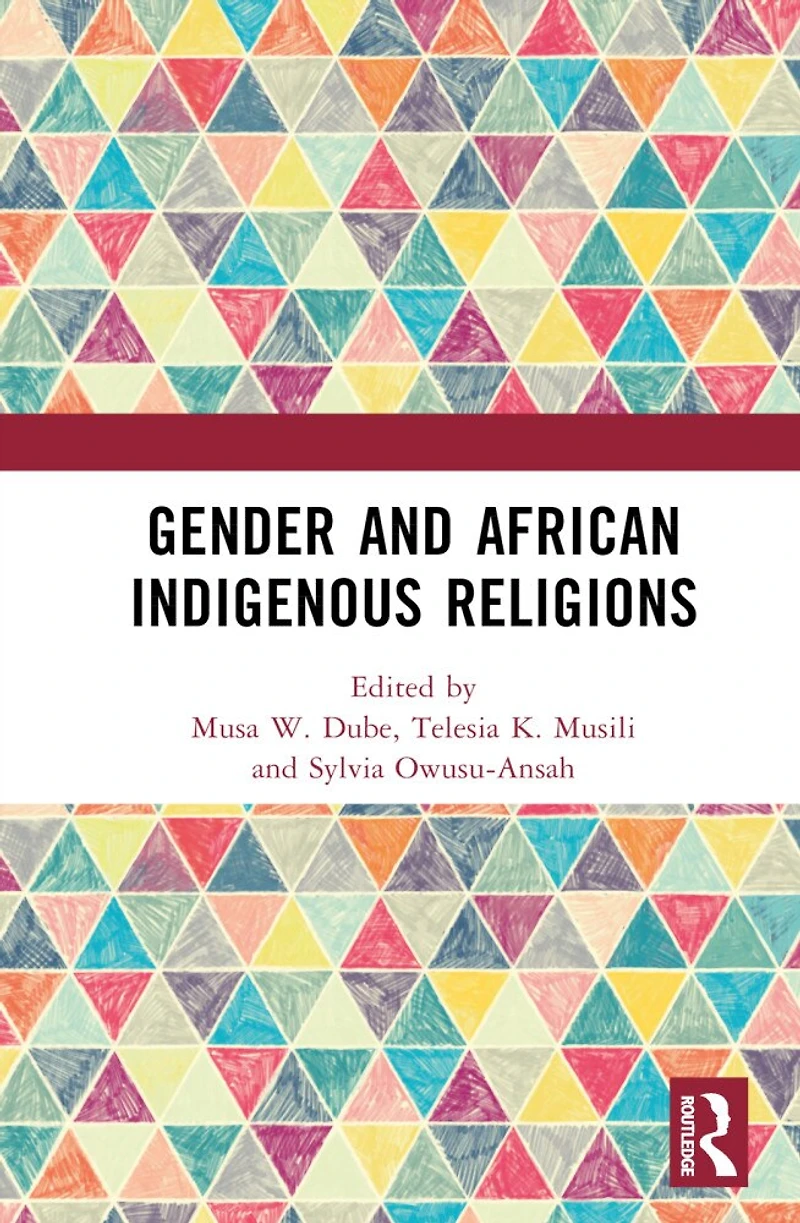
Gender and African Indigenous Religions in Brampton, ON
Current price: $296.50
Coles
Gender and African Indigenous Religions in Brampton, ON
Current price: $296.50
Loading Inventory...
Size: Hardcover
*Product information and pricing may vary - to confirm current pricing, availability, shipping, and return information please contact Coles. In the event of a pricing discrepancy, the retailer's price will apply.
Focusing on the work of contemporary African women researchers, this volume explores feminist perspectives in relation to African Indigenous Religions (AIR). It evaluates what the Circle of Concerned African Women Theologians' research has achieved and proposed since its launch in 1989, their contribution to the world of knowledge and liberation, and the potential application to nurturing a justice-oriented world. The book considers the methodologies used amongst the Circle to study African Indigenous Religions, the AIR sources of knowledge that are drawn on, and the way in which women are characterized. It reflects on how ideas drawn from African Indigenous Religions might address issues of patriarchy, colonialism, capitalism, racism, tribalism, and sexual and disability-based discrimination. The chapters examine theologies of specific figures. The book will be of interest to scholars of religion, gender studies, Indigenous studies, and African studies.
Focusing on the work of contemporary African women researchers, this volume explores feminist perspectives in relation to African Indigenous Religions (AIR). It evaluates what the Circle of Concerned African Women Theologians' research has achieved and proposed since its launch in 1989, their contribution to the world of knowledge and liberation, and the potential application to nurturing a justice-oriented world. The book considers the methodologies used amongst the Circle to study African Indigenous Religions, the AIR sources of knowledge that are drawn on, and the way in which women are characterized. It reflects on how ideas drawn from African Indigenous Religions might address issues of patriarchy, colonialism, capitalism, racism, tribalism, and sexual and disability-based discrimination. The chapters examine theologies of specific figures. The book will be of interest to scholars of religion, gender studies, Indigenous studies, and African studies.
You May Also Like
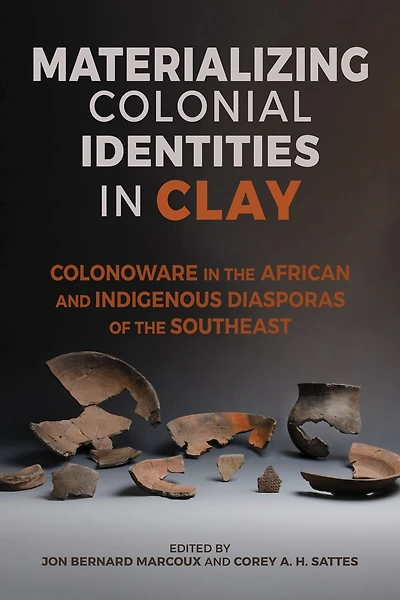










Find at Bramalea City Centre in Brampton, ON
Visit at Bramalea City Centre in Brampton, ON