



Gifting Made Simple
Give the Gift of ChoiceClick below to purchase a Bramalea City Centre eGift Card that can be used at participating retailers at Bramalea City Centre.Purchase HereHome
GATT and Global Order in the Postwar Era
Coles
Loading Inventory...
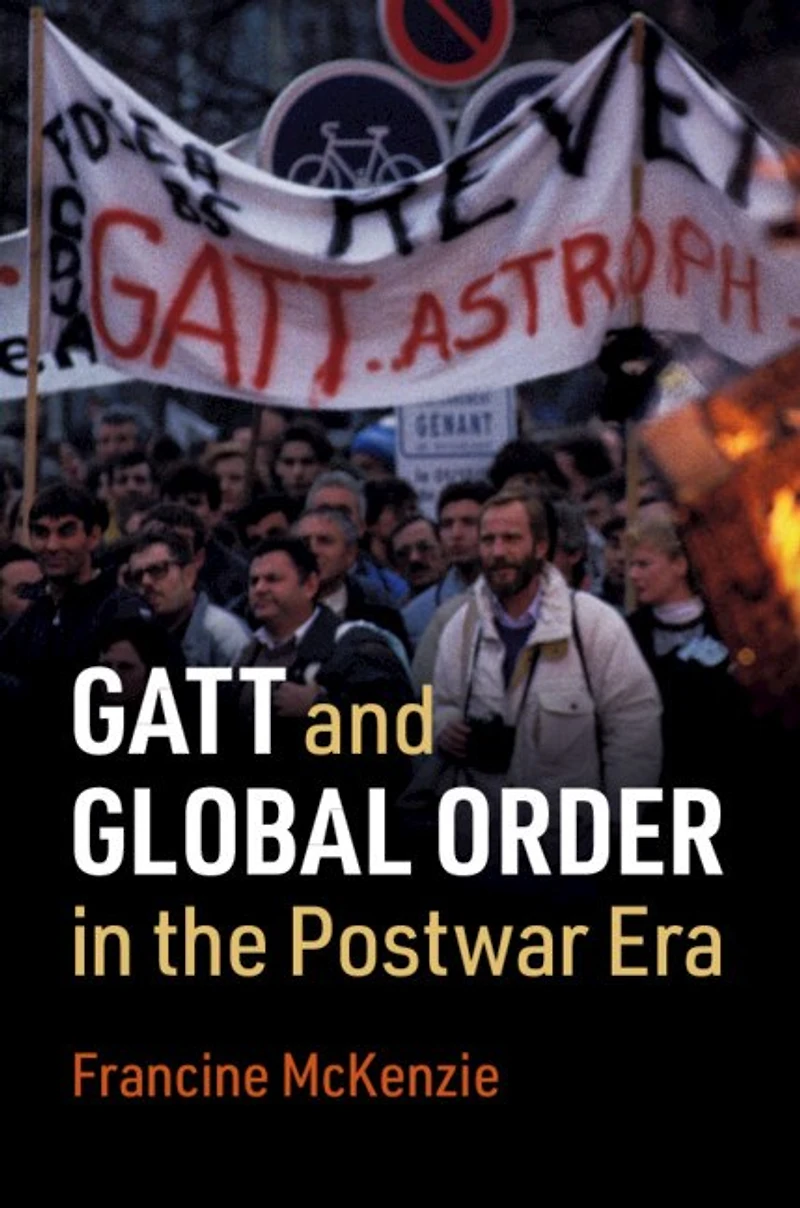
GATT and Global Order in the Postwar Era in Brampton, ON
Current price: $63.95
Coles
GATT and Global Order in the Postwar Era in Brampton, ON
Current price: $63.95
Loading Inventory...
Size: Hardcover
*Product information and pricing may vary - to confirm current pricing, availability, shipping, and return information please contact Coles. In the event of a pricing discrepancy, the retailer's price will apply.
After the Second World War, the General Agreement on Tariffs and Trade (GATT) promoted trade liberalization to help make the world prosperous and peaceful. Francine McKenzie uses case studies of the Cold War, the creation of the EEC and other regional trade agreements, development, and agriculture, to show that trade is a primary goal of foreign policy, a dominant (and divisive) aspect of international relations, and a vital component of global order. She unpacks the many ways in which trade was politicised, and the layers of meaning associated with trade; trade policies, as well as disputes about trade, communicated ideas, hopes and fears that were linked to larger questions of identity, sovereignty, and status. This study reveals how the economic and political dimensions of foreign policy and international engagement intersected, showing that trade was not only instrumentalised in the service of particular policies or relations but that it was also an essential aspect of international relations.
After the Second World War, the General Agreement on Tariffs and Trade (GATT) promoted trade liberalization to help make the world prosperous and peaceful. Francine McKenzie uses case studies of the Cold War, the creation of the EEC and other regional trade agreements, development, and agriculture, to show that trade is a primary goal of foreign policy, a dominant (and divisive) aspect of international relations, and a vital component of global order. She unpacks the many ways in which trade was politicised, and the layers of meaning associated with trade; trade policies, as well as disputes about trade, communicated ideas, hopes and fears that were linked to larger questions of identity, sovereignty, and status. This study reveals how the economic and political dimensions of foreign policy and international engagement intersected, showing that trade was not only instrumentalised in the service of particular policies or relations but that it was also an essential aspect of international relations.
You May Also Like










Find at Bramalea City Centre in Brampton, ON
Visit at Bramalea City Centre in Brampton, ON