



Gifting Made Simple
Give the Gift of ChoiceClick below to purchase a Bramalea City Centre eGift Card that can be used at participating retailers at Bramalea City Centre.Purchase HereHome
Gaining and Losing Imperial Favour in Late Antiquity: Representation and Reality
Coles
Loading Inventory...
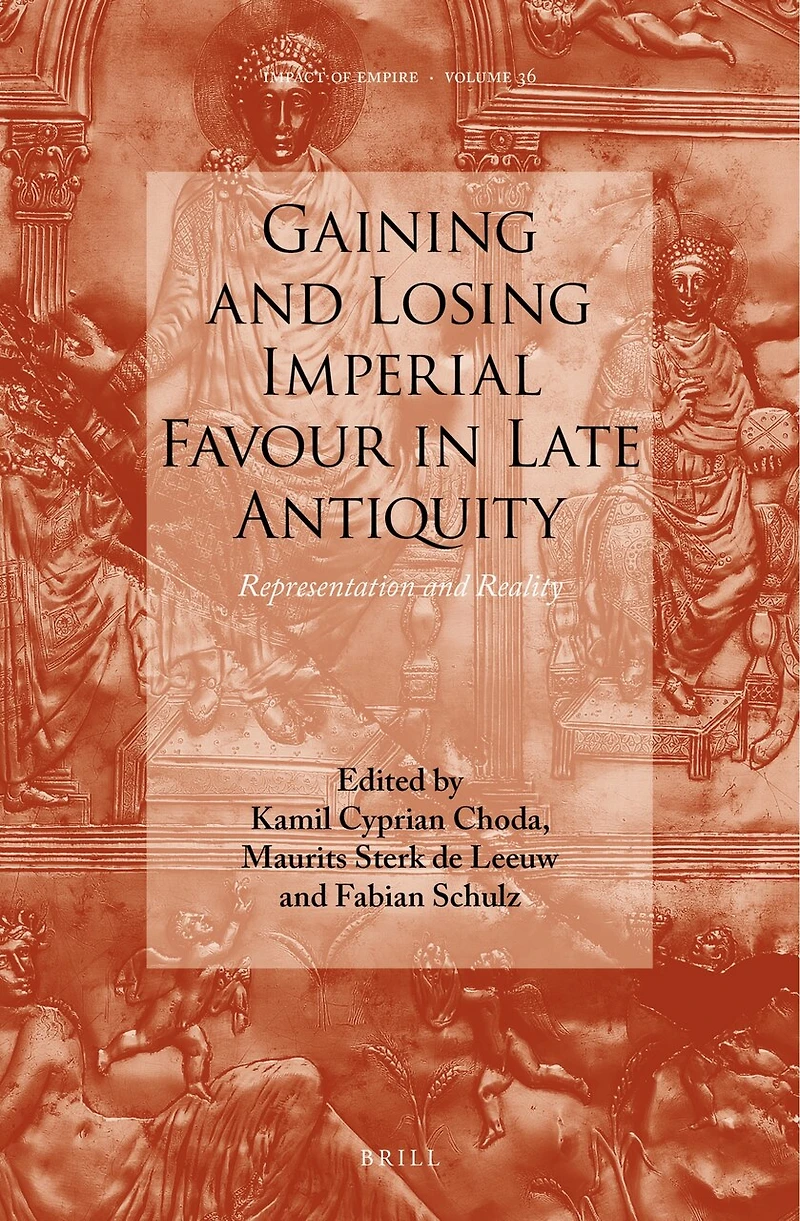
Gaining and Losing Imperial Favour in Late Antiquity: Representation and Reality in Brampton, ON
Current price: $209.99
Coles
Gaining and Losing Imperial Favour in Late Antiquity: Representation and Reality in Brampton, ON
Current price: $209.99
Loading Inventory...
Size: Hardcover
*Product information and pricing may vary - to confirm current pricing, availability, shipping, and return information please contact Coles. In the event of a pricing discrepancy, the retailer's price will apply.
The collective volume Gaining and Losing Imperial Favour in Late Antiquity: Representation and Reality , edited by Kamil Cyprian Choda, Maurits Sterk de Leeuw and Fabian Schulz, offers new insights into the political culture of the Roman Empire in the 4th and 5th centuries A.D., where the emperor’s favour was paramount. The articles examine how people gained, maintained, or lost imperial favour. The contributors approach this theme by studying processes of interpersonal influence and competition through the lens of modern sociological models. Taking into account both political reality and literary representation, this volume will have much to offer students of late-antique history and/or literature as well as those interested in the politics of pre-modern monarchical states.
The collective volume Gaining and Losing Imperial Favour in Late Antiquity: Representation and Reality , edited by Kamil Cyprian Choda, Maurits Sterk de Leeuw and Fabian Schulz, offers new insights into the political culture of the Roman Empire in the 4th and 5th centuries A.D., where the emperor’s favour was paramount. The articles examine how people gained, maintained, or lost imperial favour. The contributors approach this theme by studying processes of interpersonal influence and competition through the lens of modern sociological models. Taking into account both political reality and literary representation, this volume will have much to offer students of late-antique history and/or literature as well as those interested in the politics of pre-modern monarchical states.
You May Also Like








Find at Bramalea City Centre in Brampton, ON
Visit at Bramalea City Centre in Brampton, ON