



Gifting Made Simple
Give the Gift of ChoiceClick below to purchase a Bramalea City Centre eGift Card that can be used at participating retailers at Bramalea City Centre.Purchase HereHome
From the Romans to the Railways: The Fate of Antiquities in Asia Minor
Coles
Loading Inventory...
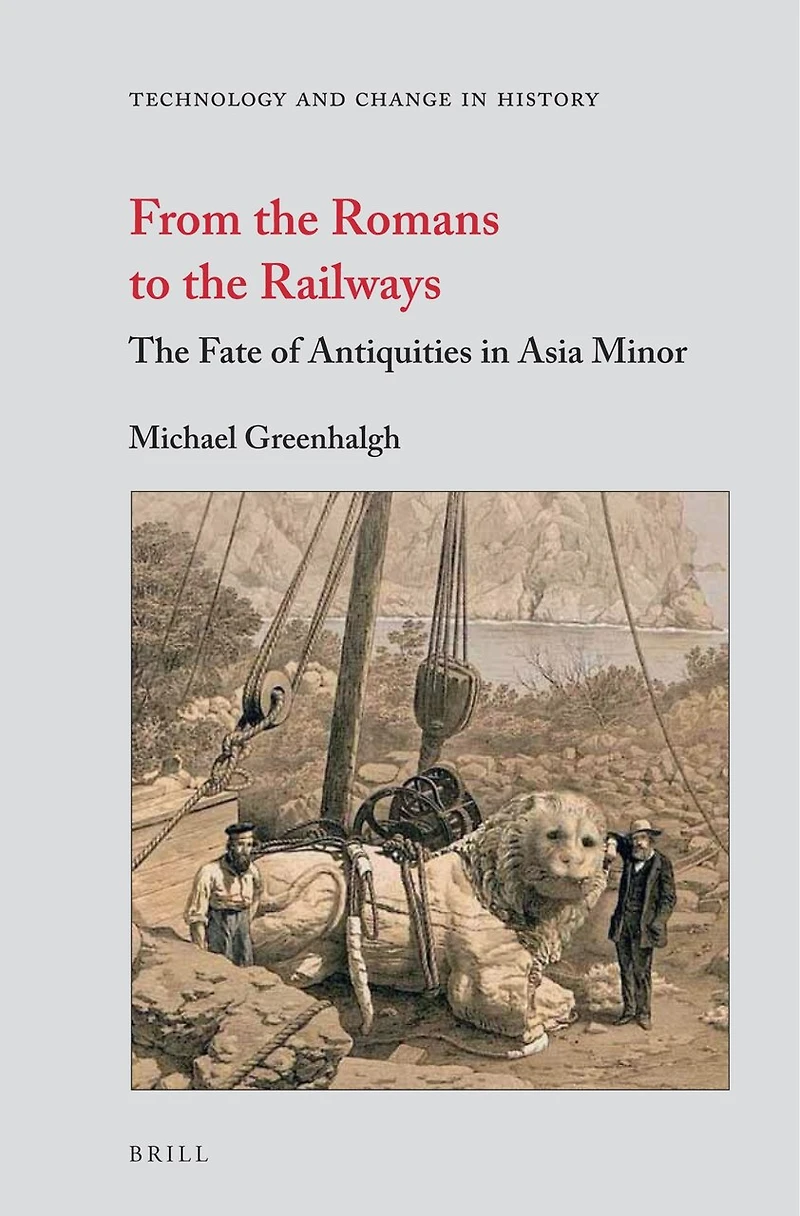
From the Romans to the Railways: The Fate of Antiquities in Asia Minor in Brampton, ON
Current price: $351.99
Coles
From the Romans to the Railways: The Fate of Antiquities in Asia Minor in Brampton, ON
Current price: $351.99
Loading Inventory...
Size: Hardcover
*Product information and pricing may vary - to confirm current pricing, availability, shipping, and return information please contact Coles. In the event of a pricing discrepancy, the retailer's price will apply.
This multi-disciplinary account of the fate of ancient monuments and technologies in Asia Minor studies the processes and their results with the help of archaeology, history, construction engineering, and travel documentation. To clarify changes, their causes and repercussions, it compares infrastructure engineering (transportation, water management, utilitarian architecture) in antiquity with developments over the past 200 years, using the accounts of European travellers and then of excavations. It analyses patterns of and reasons for the deterioration of material life, documenting the perceptions and understanding of Roman antiquities and engineering by populations living amidst ancient Roman art and architecture, roads, and aqueducts. These are complemented by travellers' accounts of the myriad aspects of the plundering of archaeological sites and antiquities.
This multi-disciplinary account of the fate of ancient monuments and technologies in Asia Minor studies the processes and their results with the help of archaeology, history, construction engineering, and travel documentation. To clarify changes, their causes and repercussions, it compares infrastructure engineering (transportation, water management, utilitarian architecture) in antiquity with developments over the past 200 years, using the accounts of European travellers and then of excavations. It analyses patterns of and reasons for the deterioration of material life, documenting the perceptions and understanding of Roman antiquities and engineering by populations living amidst ancient Roman art and architecture, roads, and aqueducts. These are complemented by travellers' accounts of the myriad aspects of the plundering of archaeological sites and antiquities.
You May Also Like








Find at Bramalea City Centre in Brampton, ON
Visit at Bramalea City Centre in Brampton, ON