



Gifting Made Simple
Give the Gift of ChoiceClick below to purchase a Bramalea City Centre eGift Card that can be used at participating retailers at Bramalea City Centre.Purchase HereHome
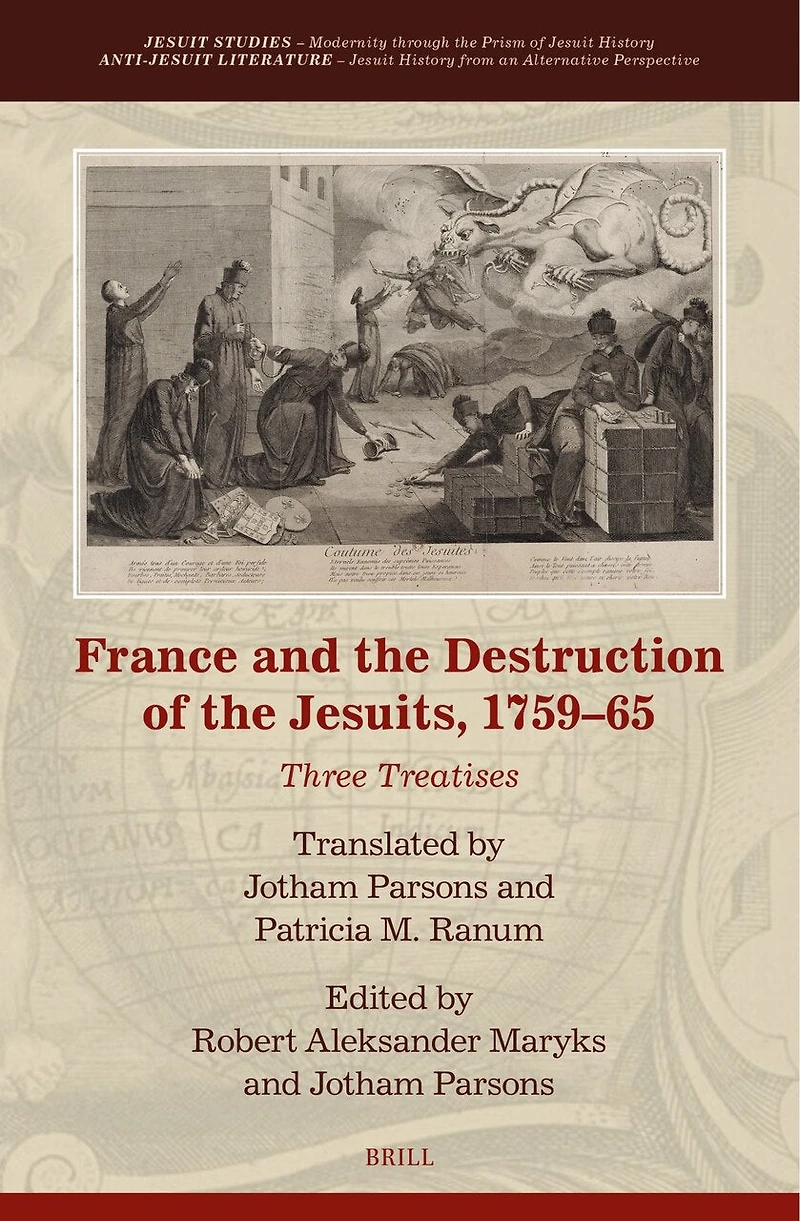
France and the Destruction of the Jesuits, 1759–65: Three Treatises
Coles
Loading Inventory...
France and the Destruction of the Jesuits, 1759–65: Three Treatises in Brampton, ON
Current price: $141.99
Coles
France and the Destruction of the Jesuits, 1759–65: Three Treatises in Brampton, ON
Current price: $141.99
Loading Inventory...
Size: Hardcover
*Product information and pricing may vary - to confirm current pricing, availability, shipping, and return information please contact Coles. In the event of a pricing discrepancy, the retailer's price will apply.
The second volume in the Anti-Jesuit Literature series at Brill casts a revealing light on a crucial moment in eighteenth-century France: the suppression of the Jesuits. Through the expert translation of three representative treatises by Jotham Parsons and Patricia M. Ranum, this collection delves into the heart of the conflict, presenting views from Jansenist-Gallican magistrates, conservative clerics, and Enlightenment thinkers. Edited with contextual commentary by Robert A. Maryks and Jotham Parsons, the volume not only navigates the complexities of the Jesuits’ decline but also places it in the context of the broader Enlightenment critique, exploring the intricate interplay between evolving ideas of governance, faith, and intellectual freedom.
The second volume in the Anti-Jesuit Literature series at Brill casts a revealing light on a crucial moment in eighteenth-century France: the suppression of the Jesuits. Through the expert translation of three representative treatises by Jotham Parsons and Patricia M. Ranum, this collection delves into the heart of the conflict, presenting views from Jansenist-Gallican magistrates, conservative clerics, and Enlightenment thinkers. Edited with contextual commentary by Robert A. Maryks and Jotham Parsons, the volume not only navigates the complexities of the Jesuits’ decline but also places it in the context of the broader Enlightenment critique, exploring the intricate interplay between evolving ideas of governance, faith, and intellectual freedom.
You May Also Like











Find at Bramalea City Centre in Brampton, ON
Visit at Bramalea City Centre in Brampton, ON