



Gifting Made Simple
Give the Gift of ChoiceClick below to purchase a Bramalea City Centre eGift Card that can be used at participating retailers at Bramalea City Centre.Purchase HereHome
Fractures: Evidence-Based Management
Coles
Loading Inventory...
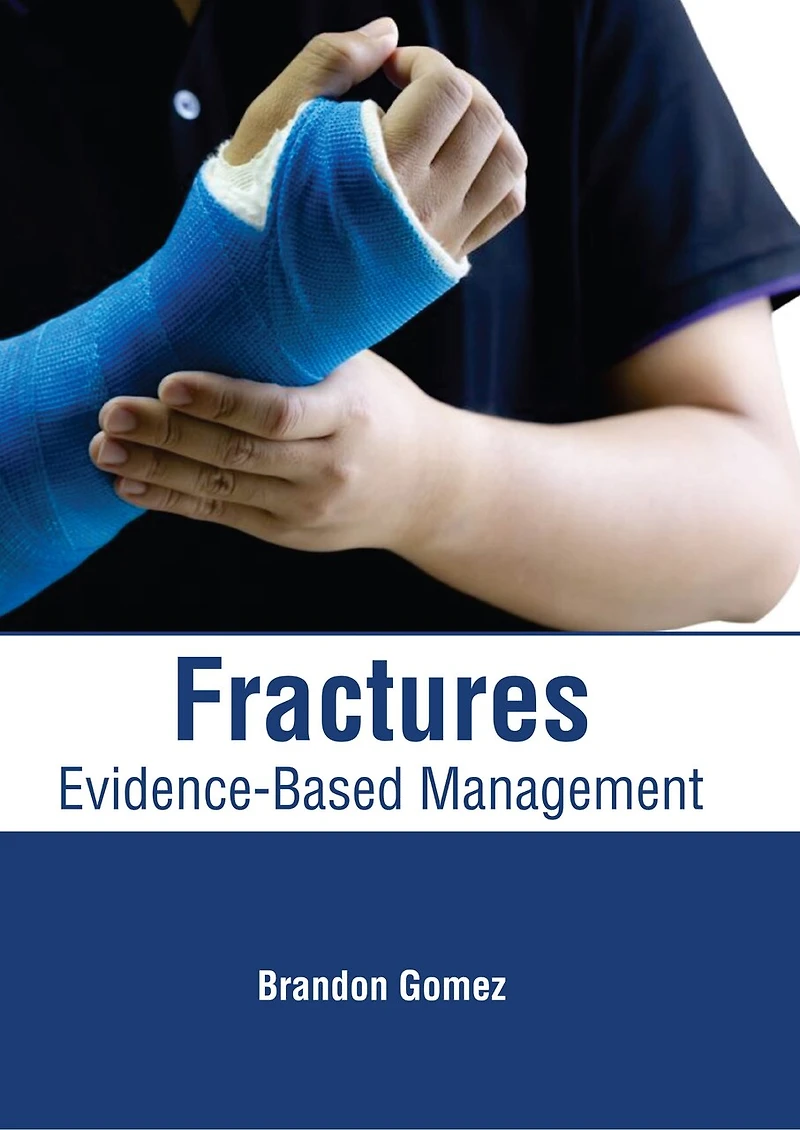
Fractures: Evidence-Based Management in Brampton, ON
Current price: $212.79
Coles
Fractures: Evidence-Based Management in Brampton, ON
Current price: $212.79
Loading Inventory...
Size: Hardcover
*Product information and pricing may vary - to confirm current pricing, availability, shipping, and return information please contact Coles. In the event of a pricing discrepancy, the retailer's price will apply.
The continuity of a bone may break in response to a trauma, injury or stress. This condition is called a bone fracture. In orthopedic medicine, bone fractures are classified on the basis of the mechanism by which the fracture has been incurred, soft-tissue involvement, fracture pattern, anatomical location, etc. Some of its various types are skull fracture, spinal fracture, complete fracture, spiral fracture, impacted fracture, pathologic fracture, periprosthetic fracture, etc. A bone fracture is assessed on the basis of a physical examination and the medical history. Radiographic imaging of the bone and nearby joints helps to determine dislocations and fracture-dislocations if any. In certain cases, MRI and CT scans may also be required. Bone fractures can be treated surgically or non-surgically. Non-surgical strategies comprise of immobilization, pain management and stabilization. In cases where absence of operative interventions may result in prolonged immobilization and complications such as deep vein thrombosis, pulmonary embolism, pressure sores and chest infections, surgery is a recommended strategy. From theories to research to practical applications, case studies related to all contemporary topics of relevance in the diagnosis and management of bone fractures have been included in this book. It presents researches and studies performed by experts across the globe. Doctors and students actively engaged in orthopedics will find this book full of crucial and unexplored concepts.
The continuity of a bone may break in response to a trauma, injury or stress. This condition is called a bone fracture. In orthopedic medicine, bone fractures are classified on the basis of the mechanism by which the fracture has been incurred, soft-tissue involvement, fracture pattern, anatomical location, etc. Some of its various types are skull fracture, spinal fracture, complete fracture, spiral fracture, impacted fracture, pathologic fracture, periprosthetic fracture, etc. A bone fracture is assessed on the basis of a physical examination and the medical history. Radiographic imaging of the bone and nearby joints helps to determine dislocations and fracture-dislocations if any. In certain cases, MRI and CT scans may also be required. Bone fractures can be treated surgically or non-surgically. Non-surgical strategies comprise of immobilization, pain management and stabilization. In cases where absence of operative interventions may result in prolonged immobilization and complications such as deep vein thrombosis, pulmonary embolism, pressure sores and chest infections, surgery is a recommended strategy. From theories to research to practical applications, case studies related to all contemporary topics of relevance in the diagnosis and management of bone fractures have been included in this book. It presents researches and studies performed by experts across the globe. Doctors and students actively engaged in orthopedics will find this book full of crucial and unexplored concepts.










Find at Bramalea City Centre in Brampton, ON
Visit at Bramalea City Centre in Brampton, ON