



Gifting Made Simple
Give the Gift of ChoiceClick below to purchase a Bramalea City Centre eGift Card that can be used at participating retailers at Bramalea City Centre.Purchase HereHome
Finite Element Analysis Of the Collapse And Post-collapse Behavior Steel Pipes: Applications to oil industry
Coles
Loading Inventory...
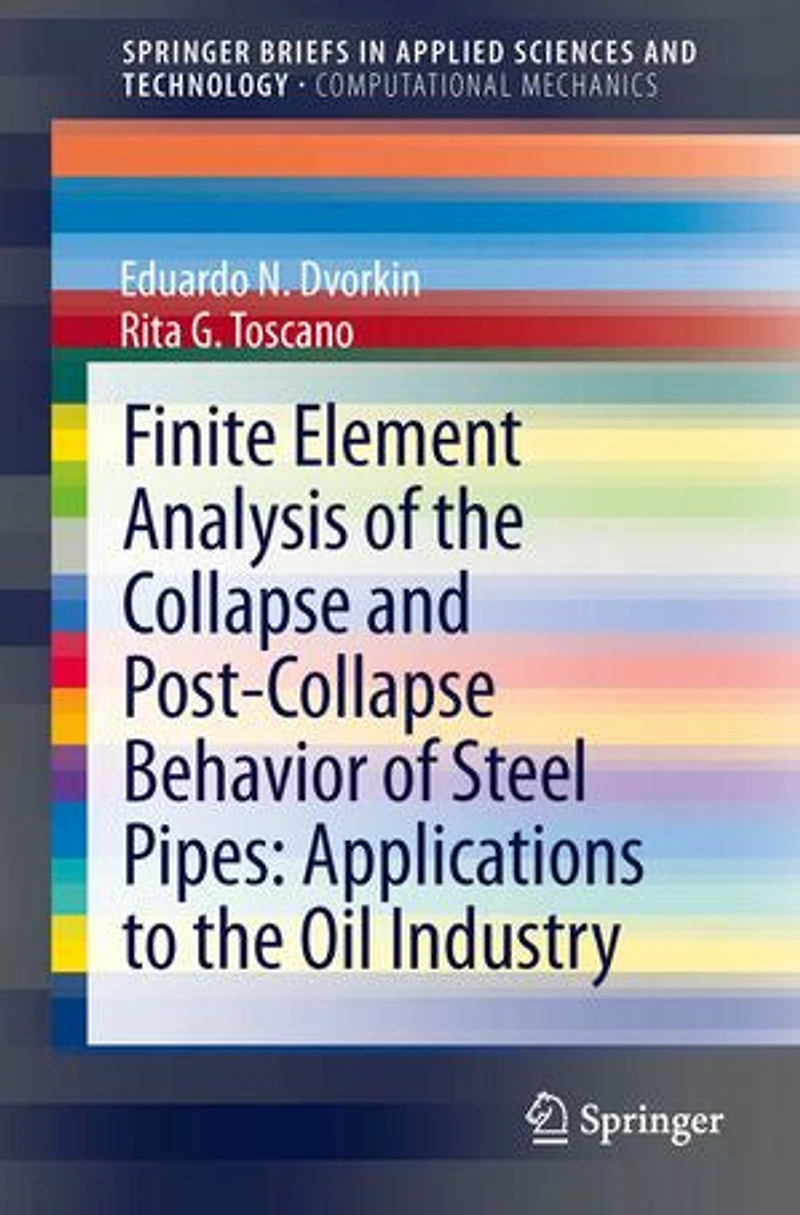
Finite Element Analysis Of the Collapse And Post-collapse Behavior Steel Pipes: Applications to oil industry in Brampton, ON
Current price: $64.49
Original price: $80.62
Coles
Finite Element Analysis Of the Collapse And Post-collapse Behavior Steel Pipes: Applications to oil industry in Brampton, ON
Current price: $64.49
Original price: $80.62
Loading Inventory...
Size: Kobo eBook
*Product information and pricing may vary - to confirm current pricing, availability, shipping, and return information please contact Coles. In the event of a pricing discrepancy, the retailer's price will apply.
This book presents a detailed discussion of the models that were developed to simulate the collapse and post-collapse behavior of steel pipes. The finite element method offers to engineers the possibility of developing models to simulate the collapse behavior of casings inside oil wells and the collapse behavior of deepwater pipelines. However, if technological decisions are going to be reached from these model results, with implications for the economic success of industrial operations, for the occupational safety and health and for the environment, the engineering models need to be highly reliable. Using these models engineers can quantify the effect of manufacturing tolerances, wear, corrosion, etc. This book describes in great details the experimental programs that are developed to validate the numerical results.
This book presents a detailed discussion of the models that were developed to simulate the collapse and post-collapse behavior of steel pipes. The finite element method offers to engineers the possibility of developing models to simulate the collapse behavior of casings inside oil wells and the collapse behavior of deepwater pipelines. However, if technological decisions are going to be reached from these model results, with implications for the economic success of industrial operations, for the occupational safety and health and for the environment, the engineering models need to be highly reliable. Using these models engineers can quantify the effect of manufacturing tolerances, wear, corrosion, etc. This book describes in great details the experimental programs that are developed to validate the numerical results.
You May Also Like













Find at Bramalea City Centre in Brampton, ON
Visit at Bramalea City Centre in Brampton, ON