



Gifting Made Simple
Give the Gift of ChoiceClick below to purchase a Bramalea City Centre eGift Card that can be used at participating retailers at Bramalea City Centre.Purchase HereHome
Filial Lines: Art Spiegelman, Alison Bechdel, and Comics Form
Coles
Loading Inventory...
Filial Lines: Art Spiegelman, Alison Bechdel, and Comics Form in Brampton, ON
Current price: $149.95
Coles
Filial Lines: Art Spiegelman, Alison Bechdel, and Comics Form in Brampton, ON
Current price: $149.95
Loading Inventory...
Size: Hardcover
*Product information and pricing may vary - to confirm current pricing, availability, shipping, and return information please contact Coles. In the event of a pricing discrepancy, the retailer's price will apply.
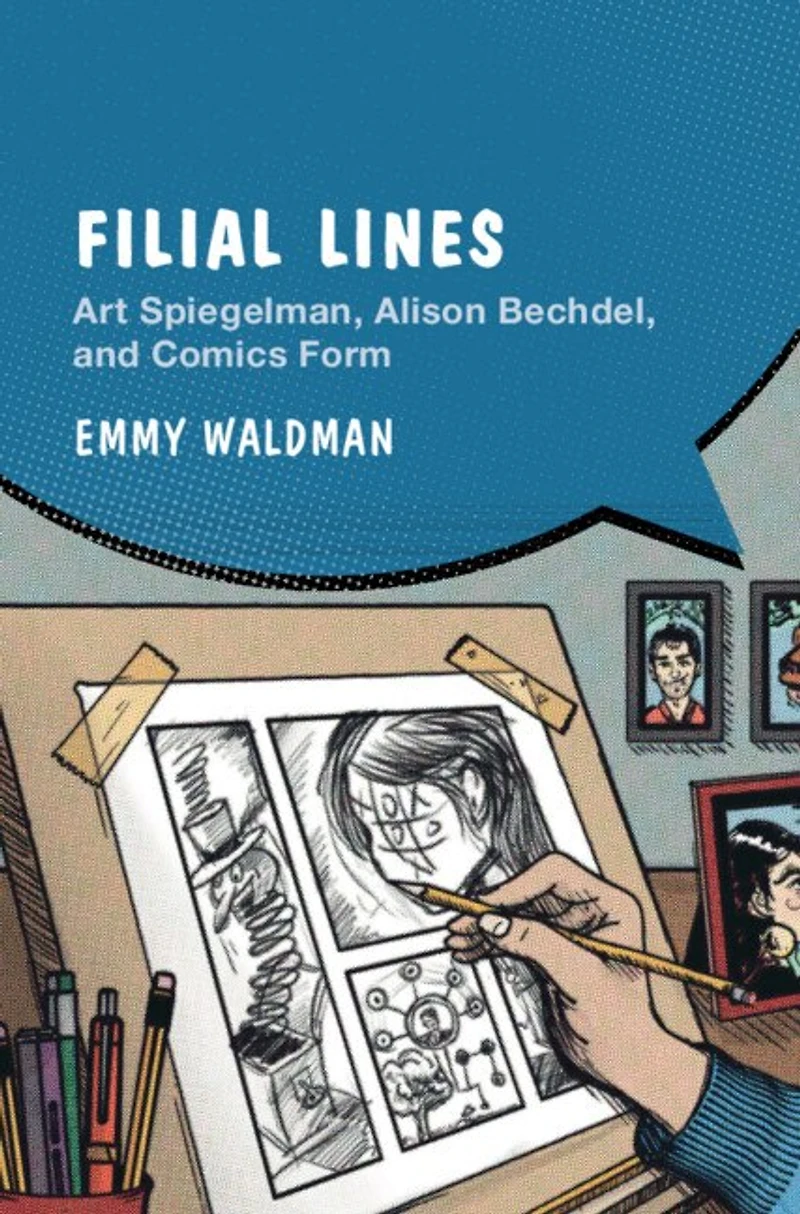
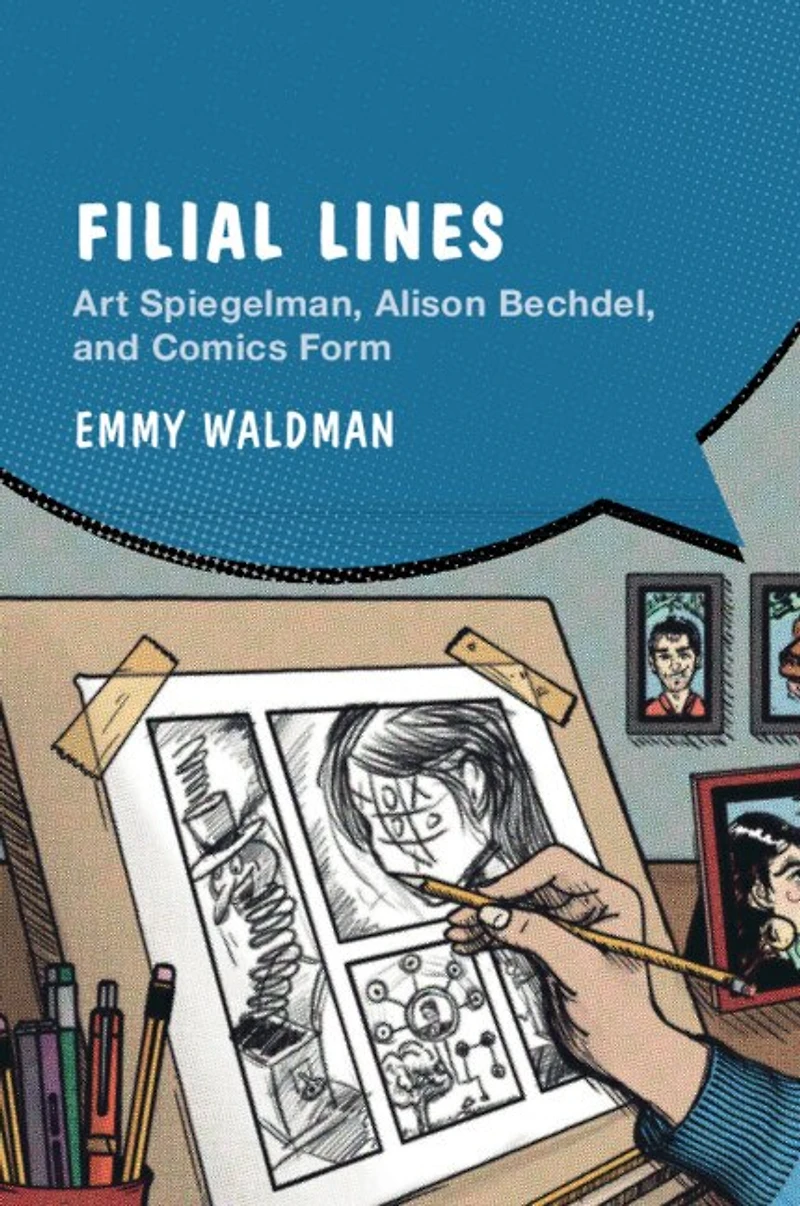
This is the first book to place the autobiographical projects of canonical comics authors Art Spiegelman and Alison Bechdel alongside each other, focusing on new and neglected works (and with an epilogue on the Pulitzer Prize-winning tour-de-force debut of Tessa Hulls). The book offers a lively cast of five formal tropes-boxes, spirals, tic-tac-toe, mirrors, and webs-through which to model fundamental elements of the comics grammar and its material processes. Built around rich close readings, it shows what makes the comics form particularly suited to negotiate complex familial and creative inheritances and manage layered, relational identities. Interweaving accounts of Jewish identity, female embodiment, legacies of modernism, and feminist practice, the book traces how contemporary graphic memoirists visually work and rework their filiations and affiliations through form, situating the medium as a privileged site and staging ground for arguments about the enabling possibilities of form now.
This is the first book to place the autobiographical projects of canonical comics authors Art Spiegelman and Alison Bechdel alongside each other, focusing on new and neglected works (and with an epilogue on the Pulitzer Prize-winning tour-de-force debut of Tessa Hulls). The book offers a lively cast of five formal tropes-boxes, spirals, tic-tac-toe, mirrors, and webs-through which to model fundamental elements of the comics grammar and its material processes. Built around rich close readings, it shows what makes the comics form particularly suited to negotiate complex familial and creative inheritances and manage layered, relational identities. Interweaving accounts of Jewish identity, female embodiment, legacies of modernism, and feminist practice, the book traces how contemporary graphic memoirists visually work and rework their filiations and affiliations through form, situating the medium as a privileged site and staging ground for arguments about the enabling possibilities of form now.
You May Also Like








Find at Bramalea City Centre in Brampton, ON
Visit at Bramalea City Centre in Brampton, ON