



Gifting Made Simple
Give the Gift of ChoiceClick below to purchase a Bramalea City Centre eGift Card that can be used at participating retailers at Bramalea City Centre.Purchase HereHome
Figural Space: Semiotics and the Aesthetic Imaginary
Coles
Loading Inventory...
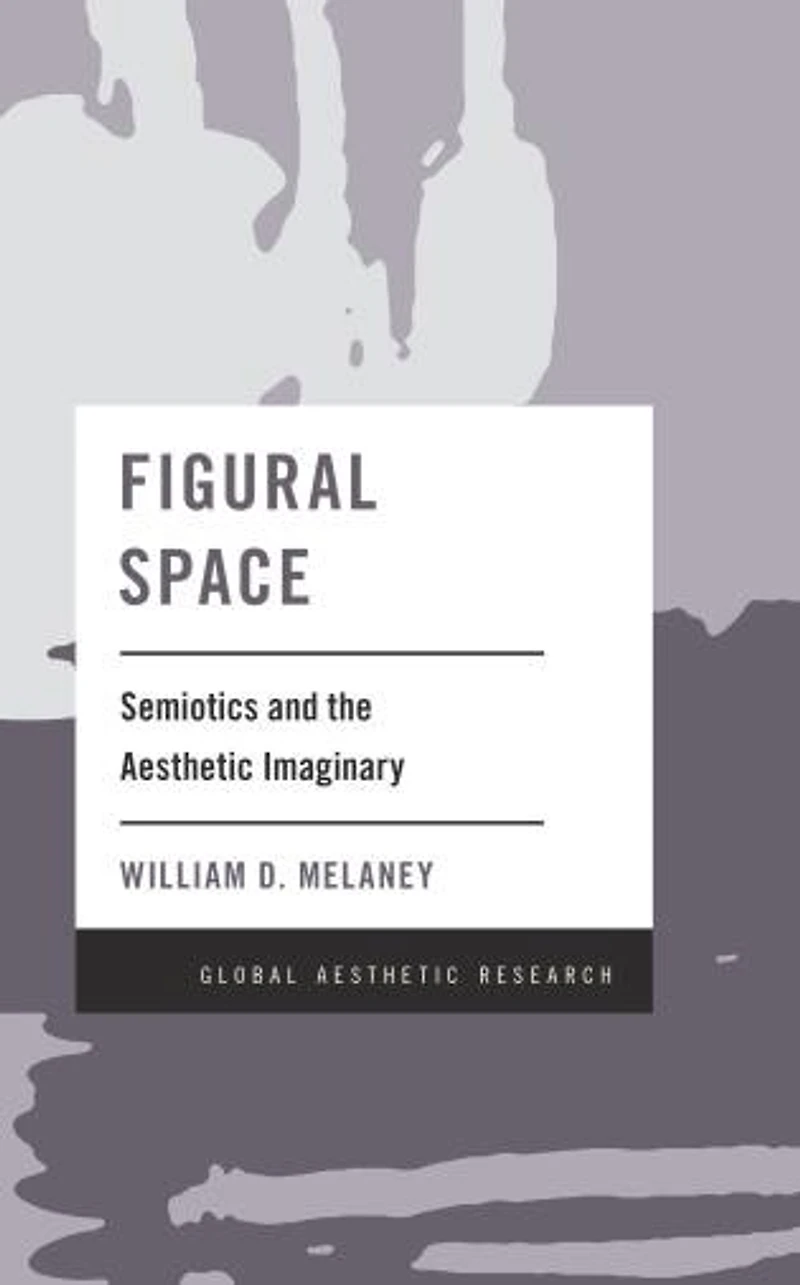
Figural Space: Semiotics and the Aesthetic Imaginary in Brampton, ON
Current price: $189.95
Coles
Figural Space: Semiotics and the Aesthetic Imaginary in Brampton, ON
Current price: $189.95
Loading Inventory...
Size: Hardcover
*Product information and pricing may vary - to confirm current pricing, availability, shipping, and return information please contact Coles. In the event of a pricing discrepancy, the retailer's price will apply.
This book is concerned with the continuing viability of both Freud and Hegel to the reading of modern literature. The book begins with Julia Kristeva's attempts to relate Hegelian thought to a psychoanalytically informed conception of semiotics that was first explored in her influential study, The Revolution of Poetic Language, and then modified in later books that develop semiotics in new directions. Kristeva's agreements and disagreement with Hegel are important to the book's argument, which ultimately defends Hegel against familiar, poststructuralist detractions. However, the book's conceptual argument requires a historical exposition, with chapters devoted to literary figures ranging from Spenser to Ishiguro. One of the purposes of the book is to demonstrate that Hegel's contribution to modern thought is at least partially exhibited in the history of literature, which also corroborates some of the deeper insights of psychoanalysis.
This book is concerned with the continuing viability of both Freud and Hegel to the reading of modern literature. The book begins with Julia Kristeva's attempts to relate Hegelian thought to a psychoanalytically informed conception of semiotics that was first explored in her influential study, The Revolution of Poetic Language, and then modified in later books that develop semiotics in new directions. Kristeva's agreements and disagreement with Hegel are important to the book's argument, which ultimately defends Hegel against familiar, poststructuralist detractions. However, the book's conceptual argument requires a historical exposition, with chapters devoted to literary figures ranging from Spenser to Ishiguro. One of the purposes of the book is to demonstrate that Hegel's contribution to modern thought is at least partially exhibited in the history of literature, which also corroborates some of the deeper insights of psychoanalysis.
You May Also Like
















Find at Bramalea City Centre in Brampton, ON
Visit at Bramalea City Centre in Brampton, ON