



Gifting Made Simple
Give the Gift of ChoiceClick below to purchase a Bramalea City Centre eGift Card that can be used at participating retailers at Bramalea City Centre.Purchase HereHome
Families in Japan: Changes, Continuities, and Regional Variations
Coles
Loading Inventory...
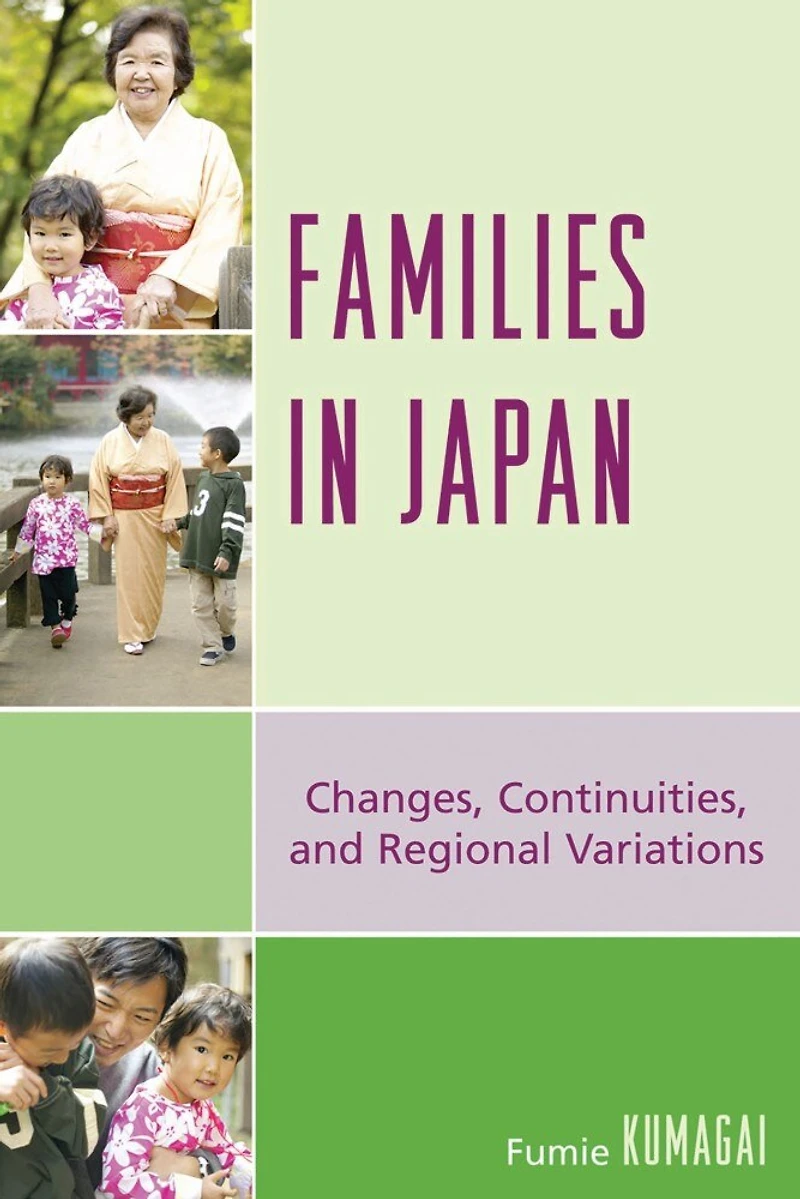
Families in Japan: Changes, Continuities, and Regional Variations in Brampton, ON
Current price: $80.50
Coles
Families in Japan: Changes, Continuities, and Regional Variations in Brampton, ON
Current price: $80.50
Loading Inventory...
Size: Paperback
*Product information and pricing may vary - to confirm current pricing, availability, shipping, and return information please contact Coles. In the event of a pricing discrepancy, the retailer's price will apply.
Fumie Kumagai, a Japanese family sociologist with keen insight into regional variations and a comparative perspective, analyzes the dynamics and variations in Japanese families throughout the twentieth and twenty-first centuries. The theoretical frameworks utilized are the dual structural perspective and the community network in the Information Age Society. This book provides insightful sociological analyses of Japanese families, paying attention not only to national average data, but also to regional variations and community level analyses. It is a paradigm shift from former studies of Japanese families, which relied on national average data only. The focus is on sociocultural variations and the diversity of families in Japan. Topics include marriage, divorce, fertility rates, the elderly, labor force participation, population decline, trends among youth, and the changing roles of women.
Fumie Kumagai, a Japanese family sociologist with keen insight into regional variations and a comparative perspective, analyzes the dynamics and variations in Japanese families throughout the twentieth and twenty-first centuries. The theoretical frameworks utilized are the dual structural perspective and the community network in the Information Age Society. This book provides insightful sociological analyses of Japanese families, paying attention not only to national average data, but also to regional variations and community level analyses. It is a paradigm shift from former studies of Japanese families, which relied on national average data only. The focus is on sociocultural variations and the diversity of families in Japan. Topics include marriage, divorce, fertility rates, the elderly, labor force participation, population decline, trends among youth, and the changing roles of women.
You May Also Like














Find at Bramalea City Centre in Brampton, ON
Visit at Bramalea City Centre in Brampton, ON