



Gifting Made Simple
Give the Gift of ChoiceClick below to purchase a Bramalea City Centre eGift Card that can be used at participating retailers at Bramalea City Centre.Purchase HereHome
Fakes and Forgeries of Written Artefacts from Ancient Mesopotamia to Modern China
Coles
Loading Inventory...
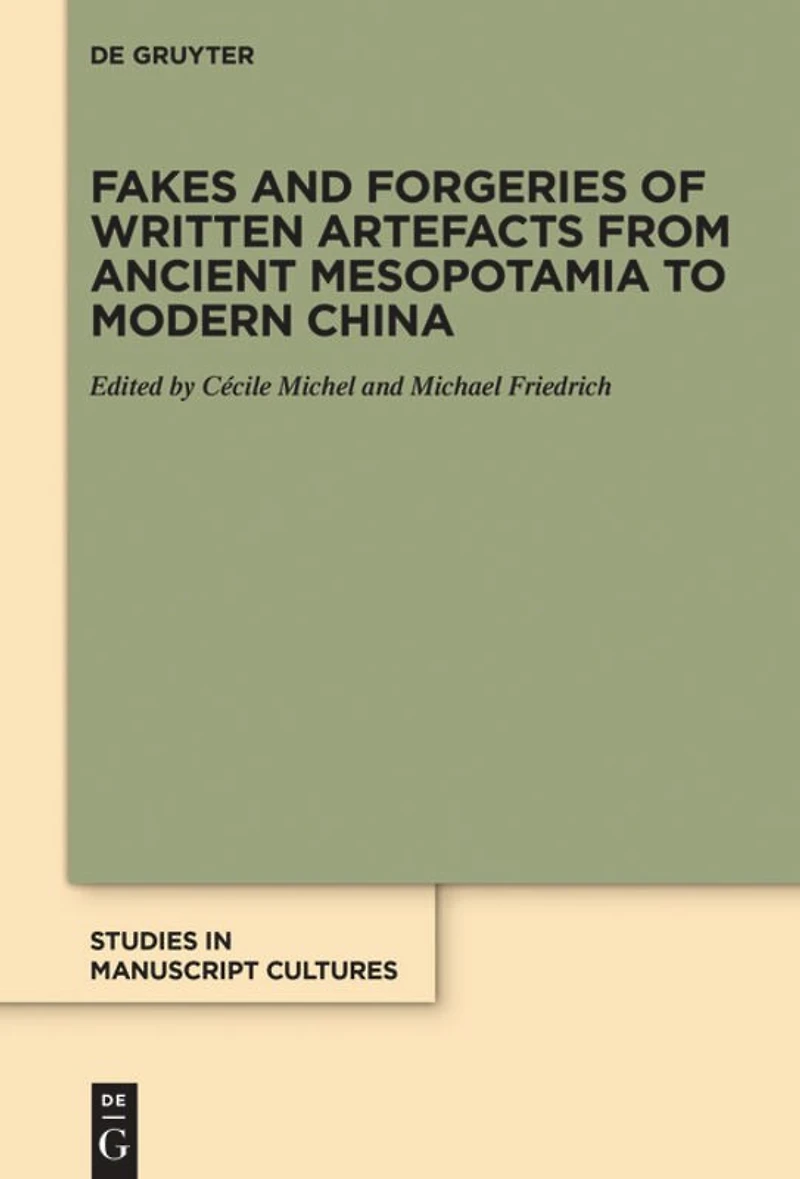
Fakes and Forgeries of Written Artefacts from Ancient Mesopotamia to Modern China in Brampton, ON
Current price: $189.89
Coles
Fakes and Forgeries of Written Artefacts from Ancient Mesopotamia to Modern China in Brampton, ON
Current price: $189.89
Loading Inventory...
Size: Hardcover
*Product information and pricing may vary - to confirm current pricing, availability, shipping, and return information please contact Coles. In the event of a pricing discrepancy, the retailer's price will apply.
Fakes and forgeries are objects of fascination. This volume contains a series of thirteen articles devoted to fakes and forgeries of written artefacts from the beginnings of writing in Mesopotamia to modern China. The studies emphasise the subtle distinctions conveyed by an established vocabulary relating to the reproduction of ancient artefacts and production of artefacts claiming to be ancient: from copies, replicas and imitations to fakes and forgeries. Fakes are often a response to a demand from the public or scholarly milieu, or even both. The motives behind their production may be economic, political, religious or personal – aspiring to fame or simply playing a joke. Fakes may be revealed by combining the study of their contents, codicological, epigraphic and palaeographic analyses, and scientific investigations. However, certain famous unsolved cases still continue to defy technology today, no matter how advanced it is. Nowadays, one can find fakes in museums and private collections alike; they abound on the antique market, mixed with real artefacts that have often been looted. The scientific community’s attitude to such objects calls for ethical reflection.
Fakes and forgeries are objects of fascination. This volume contains a series of thirteen articles devoted to fakes and forgeries of written artefacts from the beginnings of writing in Mesopotamia to modern China. The studies emphasise the subtle distinctions conveyed by an established vocabulary relating to the reproduction of ancient artefacts and production of artefacts claiming to be ancient: from copies, replicas and imitations to fakes and forgeries. Fakes are often a response to a demand from the public or scholarly milieu, or even both. The motives behind their production may be economic, political, religious or personal – aspiring to fame or simply playing a joke. Fakes may be revealed by combining the study of their contents, codicological, epigraphic and palaeographic analyses, and scientific investigations. However, certain famous unsolved cases still continue to defy technology today, no matter how advanced it is. Nowadays, one can find fakes in museums and private collections alike; they abound on the antique market, mixed with real artefacts that have often been looted. The scientific community’s attitude to such objects calls for ethical reflection.
You May Also Like









Find at Bramalea City Centre in Brampton, ON
Visit at Bramalea City Centre in Brampton, ON