



Gifting Made Simple
Give the Gift of ChoiceClick below to purchase a Bramalea City Centre eGift Card that can be used at participating retailers at Bramalea City Centre.Purchase HereHome
Excess Modern Irish Writing: Spirit and Surplus
Coles
Loading Inventory...
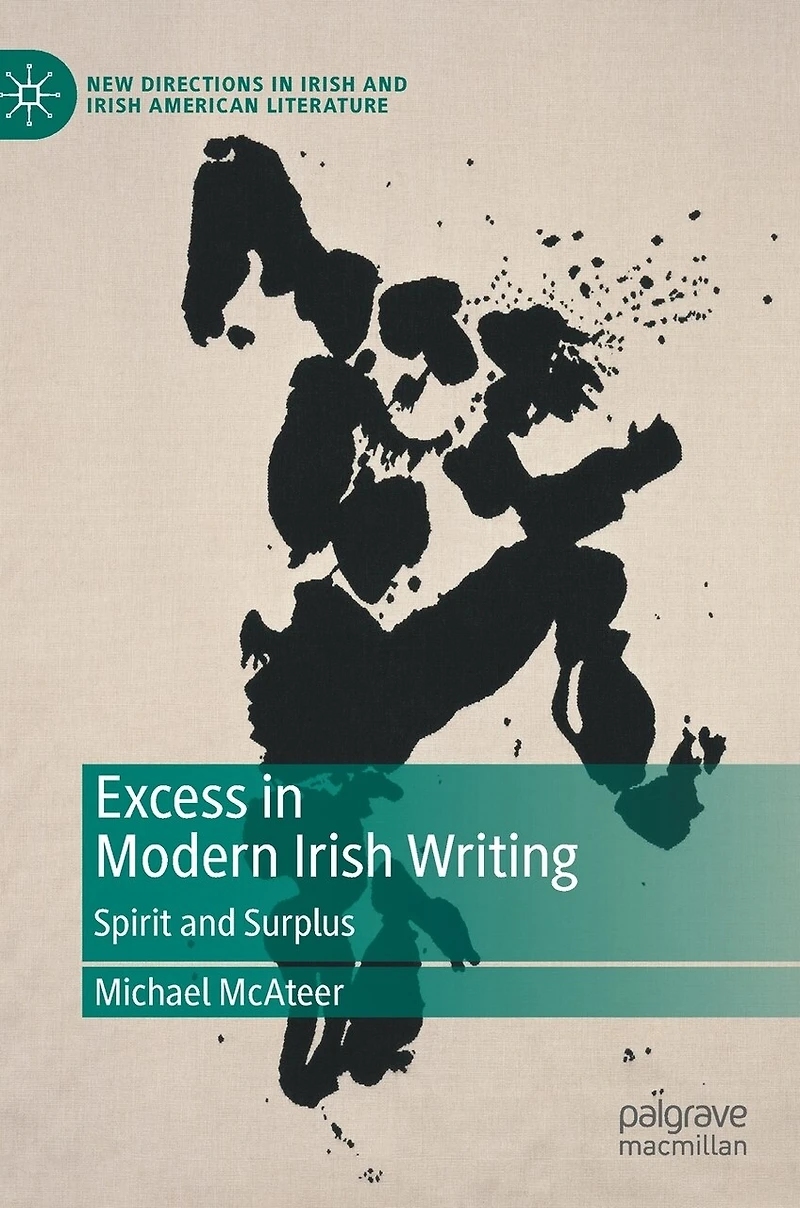
Excess Modern Irish Writing: Spirit and Surplus in Brampton, ON
Current price: $131.50
Coles
Excess Modern Irish Writing: Spirit and Surplus in Brampton, ON
Current price: $131.50
Loading Inventory...
Size: Hardcover
*Product information and pricing may vary - to confirm current pricing, availability, shipping, and return information please contact Coles. In the event of a pricing discrepancy, the retailer's price will apply.
This book examines the topic of excess in modern Irish writing in terms of mysticism, materialism, myth and language. The study engages ideas of excess as they appear in works by major thinkers from Hegel, Kierkegaard and Marx through to Nietzsche, Bataille, Derrida and, more recently, Badiou. Poems, plays and fiction by a wide range of Irish authors are considered. These include works by Oscar Wilde, W. B. Yeats, G. B. Shaw, Patrick Pearse, James Joyce, Sean O'Casey, Louis MacNeice, Samuel Beckett, Elizabeth Bowen, Roddy Doyle, Seamus Heaney, Marina Carr and Medbh McGuckian. The readings presented illustrate how Matthew Arnold's nineteenth-century idea of the excessive character of the Celt is itself exceeded within the modernity of twentieth-century Irish writing.
This book examines the topic of excess in modern Irish writing in terms of mysticism, materialism, myth and language. The study engages ideas of excess as they appear in works by major thinkers from Hegel, Kierkegaard and Marx through to Nietzsche, Bataille, Derrida and, more recently, Badiou. Poems, plays and fiction by a wide range of Irish authors are considered. These include works by Oscar Wilde, W. B. Yeats, G. B. Shaw, Patrick Pearse, James Joyce, Sean O'Casey, Louis MacNeice, Samuel Beckett, Elizabeth Bowen, Roddy Doyle, Seamus Heaney, Marina Carr and Medbh McGuckian. The readings presented illustrate how Matthew Arnold's nineteenth-century idea of the excessive character of the Celt is itself exceeded within the modernity of twentieth-century Irish writing.
You May Also Like










Find at Bramalea City Centre in Brampton, ON
Visit at Bramalea City Centre in Brampton, ON