



Gifting Made Simple
Give the Gift of ChoiceClick below to purchase a Bramalea City Centre eGift Card that can be used at participating retailers at Bramalea City Centre.Purchase HereHome
Europe's Last Summer: Who Started The Great War 1914?
Coles
Loading Inventory...
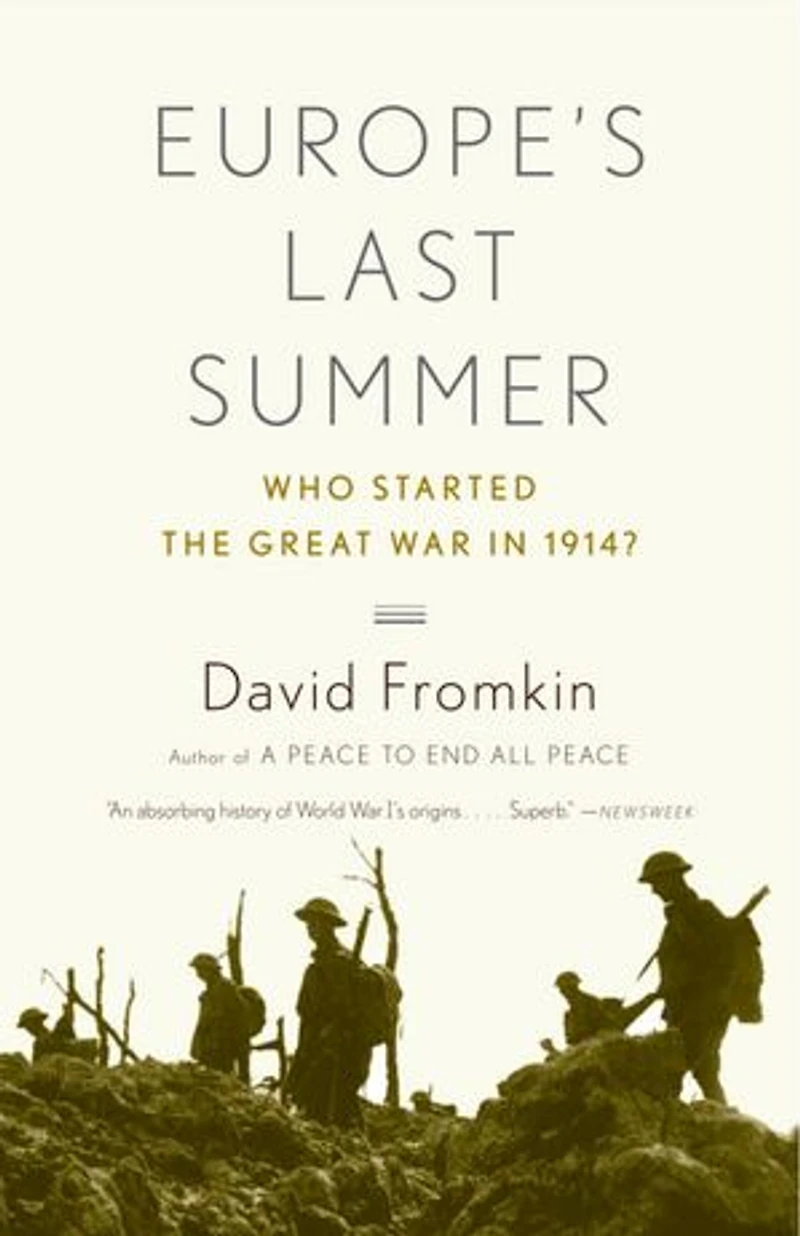
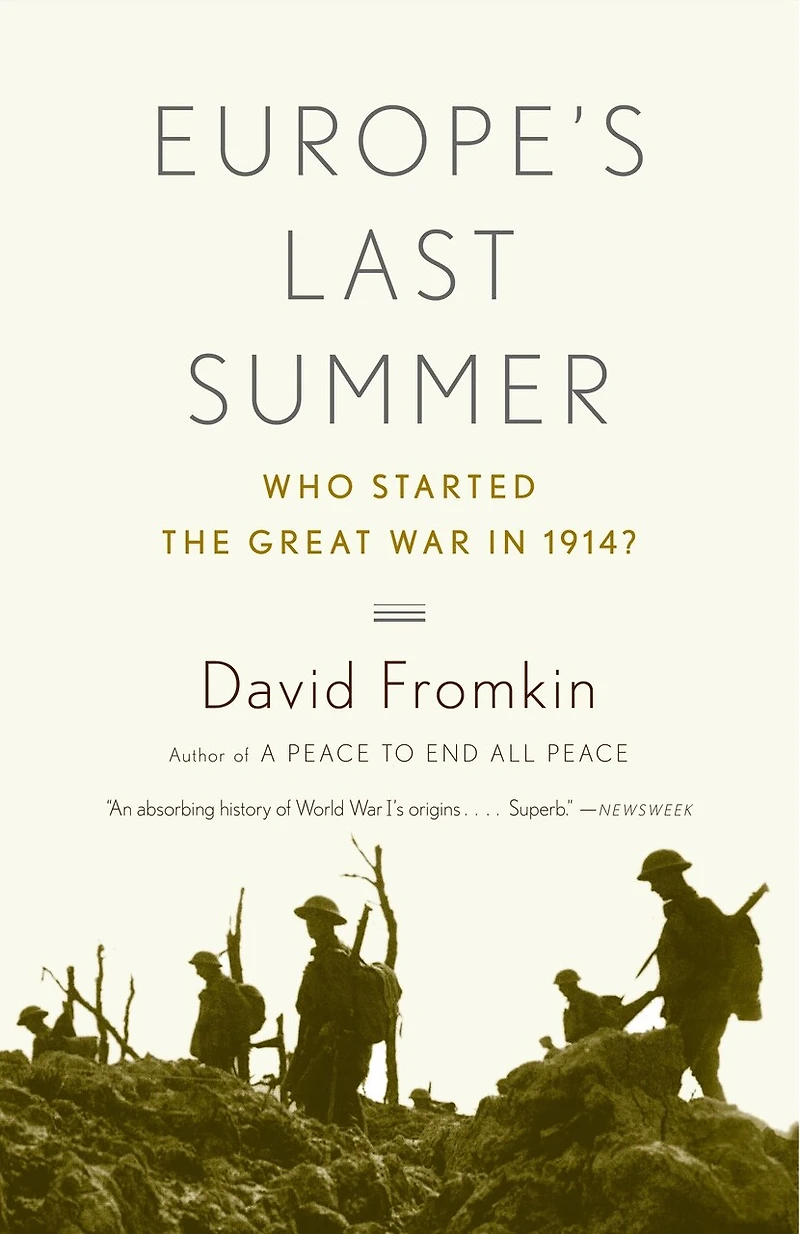
Europe's Last Summer: Who Started The Great War 1914? in Brampton, ON
Current price: $13.99
Coles
Europe's Last Summer: Who Started The Great War 1914? in Brampton, ON
Current price: $13.99
Loading Inventory...
Size: Kobo eBook
*Product information and pricing may vary - to confirm current pricing, availability, shipping, and return information please contact Coles. In the event of a pricing discrepancy, the retailer's price will apply.
When war broke out in Europe in 1914, it surprised a European population enjoying the most beautiful summer in memory. For nearly a century since, historians have debated the causes of the war. Some have cited the assassination of Archduke Franz Ferdinand; others have concluded it was unavoidable.
In Europe’s Last Summer , David Fromkin provides a different answer: hostilities were commenced deliberately. In a riveting re-creation of the run-up to war, Fromkin shows how German generals, seeing war as inevitable, manipulated events to precipitate a conflict waged on their own terms. Moving deftly between diplomats, generals, and rulers across Europe, he makes the complex diplomatic negotiations accessible and immediate. Examining the actions of individuals amid larger historical forces, this is a gripping historical narrative and a dramatic reassessment of a key moment in the twentieth-century.
When war broke out in Europe in 1914, it surprised a European population enjoying the most beautiful summer in memory. For nearly a century since, historians have debated the causes of the war. Some have cited the assassination of Archduke Franz Ferdinand; others have concluded it was unavoidable.
In Europe’s Last Summer , David Fromkin provides a different answer: hostilities were commenced deliberately. In a riveting re-creation of the run-up to war, Fromkin shows how German generals, seeing war as inevitable, manipulated events to precipitate a conflict waged on their own terms. Moving deftly between diplomats, generals, and rulers across Europe, he makes the complex diplomatic negotiations accessible and immediate. Examining the actions of individuals amid larger historical forces, this is a gripping historical narrative and a dramatic reassessment of a key moment in the twentieth-century.
You May Also Like










Find at Bramalea City Centre in Brampton, ON
Visit at Bramalea City Centre in Brampton, ON