



Gifting Made Simple
Give the Gift of ChoiceClick below to purchase a Bramalea City Centre eGift Card that can be used at participating retailers at Bramalea City Centre.Purchase HereHome
European Vernacular Literacy: A Sociolinguistic and Historical Introduction
Coles
Loading Inventory...
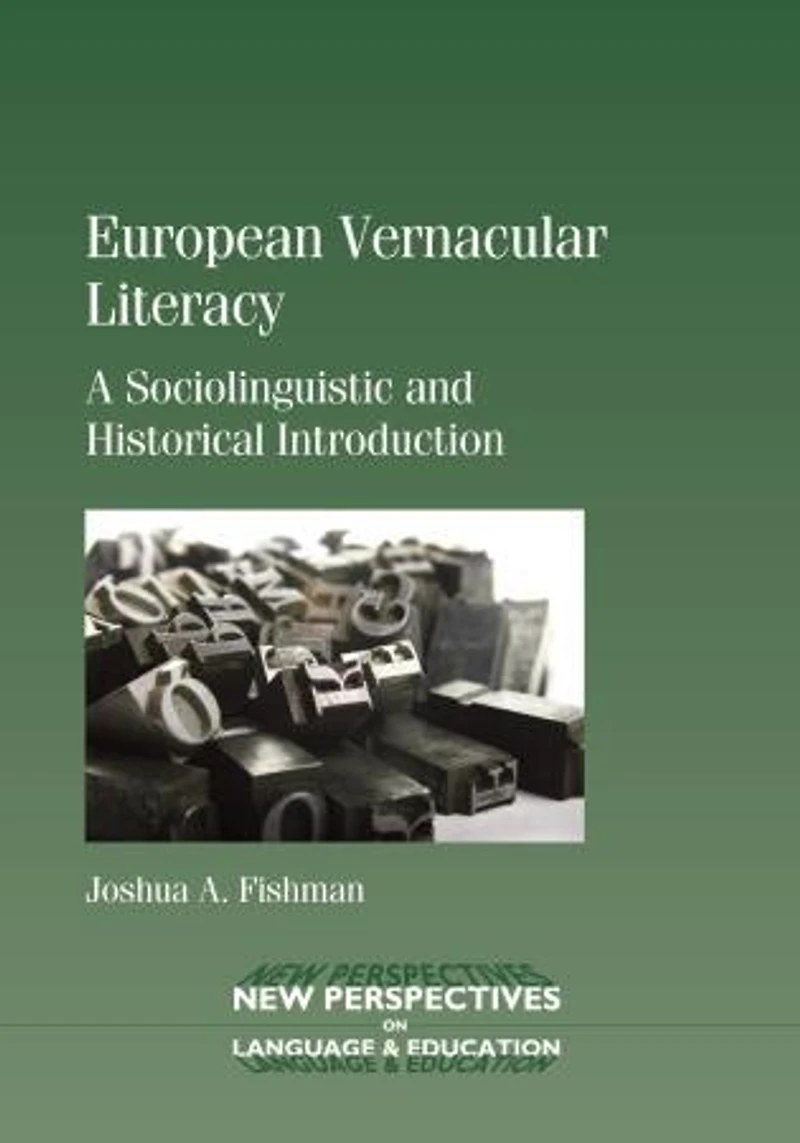
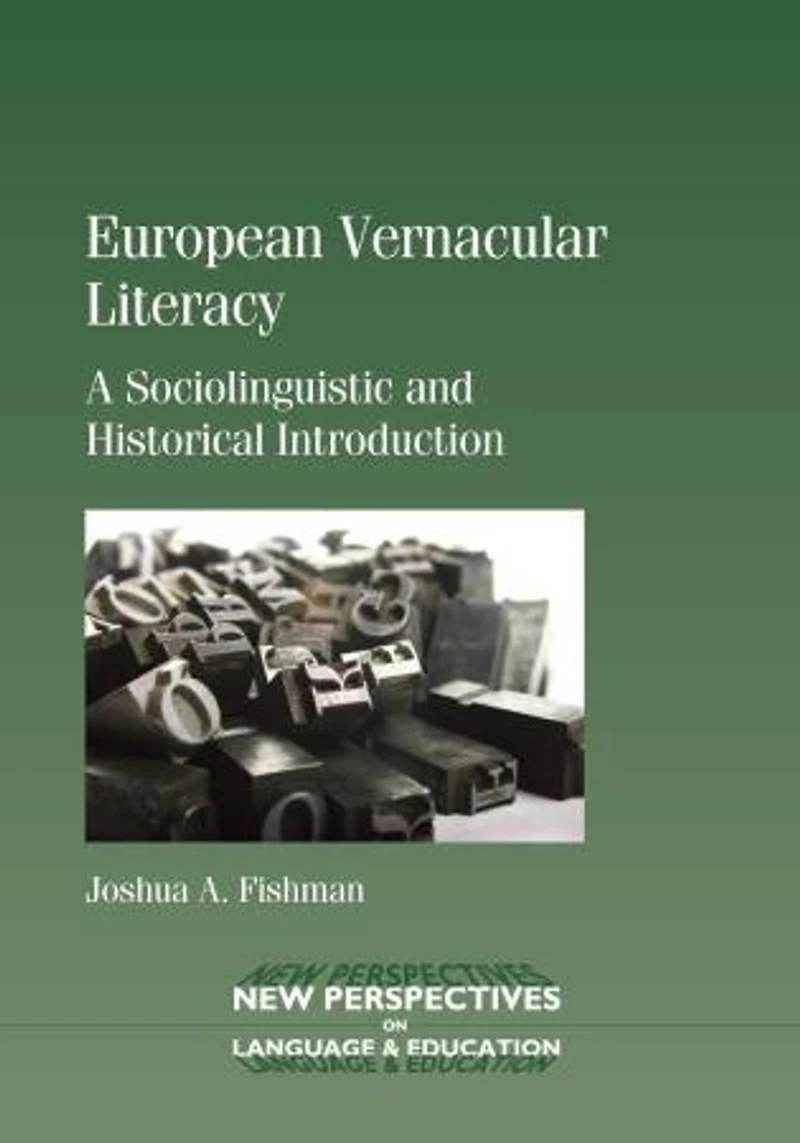
European Vernacular Literacy: A Sociolinguistic and Historical Introduction in Brampton, ON
Current price: $109.95
Coles
European Vernacular Literacy: A Sociolinguistic and Historical Introduction in Brampton, ON
Current price: $109.95
Loading Inventory...
Size: Hardcover
*Product information and pricing may vary - to confirm current pricing, availability, shipping, and return information please contact Coles. In the event of a pricing discrepancy, the retailer's price will apply.
In this major new text, Joshua Fishman charts the rise of vernacular literacy in Europe, and the major social, economic, religious, political, demographic, educational and philosophical changes that attended it. Following the story up until the present day, the book examines the people who became leaders of the growth of vernacular literacy in Europe, and looks at how European colonizers viewed vernacular literacy efforts in their current and former colonies. Looking forward, Fishman discusses how new technology affects vernacular literacy both now and in the present, and whether developments in voice and visual media mean that vernacular literacy will be less important to future generations than it is to us. ‘European Vernacular Literacy’ is not only a review of well-known facts and theories of the rise of vernacular literacy in Europe, but an attempt to reintegrate and rethink them along new and provocative lines, meaning that the book will be of interest not only to students of literacy and history but also to scholars interested in Fishman’s latest contribution to sociolinguistics.
In this major new text, Joshua Fishman charts the rise of vernacular literacy in Europe, and the major social, economic, religious, political, demographic, educational and philosophical changes that attended it. Following the story up until the present day, the book examines the people who became leaders of the growth of vernacular literacy in Europe, and looks at how European colonizers viewed vernacular literacy efforts in their current and former colonies. Looking forward, Fishman discusses how new technology affects vernacular literacy both now and in the present, and whether developments in voice and visual media mean that vernacular literacy will be less important to future generations than it is to us. ‘European Vernacular Literacy’ is not only a review of well-known facts and theories of the rise of vernacular literacy in Europe, but an attempt to reintegrate and rethink them along new and provocative lines, meaning that the book will be of interest not only to students of literacy and history but also to scholars interested in Fishman’s latest contribution to sociolinguistics.
You May Also Like
















Find at Bramalea City Centre in Brampton, ON
Visit at Bramalea City Centre in Brampton, ON