



Gifting Made Simple
Give the Gift of ChoiceClick below to purchase a Bramalea City Centre eGift Card that can be used at participating retailers at Bramalea City Centre.Purchase HereHome
Establishing Quantum Physics Berlin: Einstein and the Kaiser Wilhelm Institute for Physics, 1917-1922
Coles
Loading Inventory...
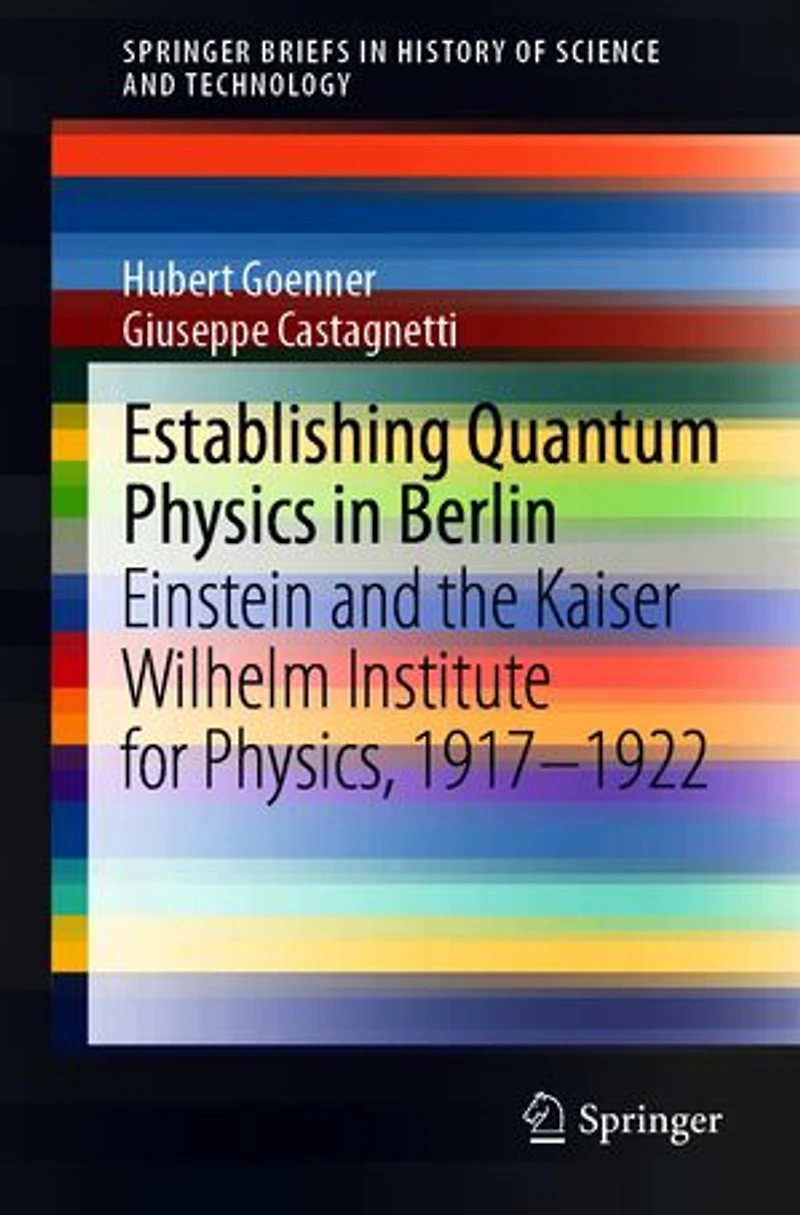
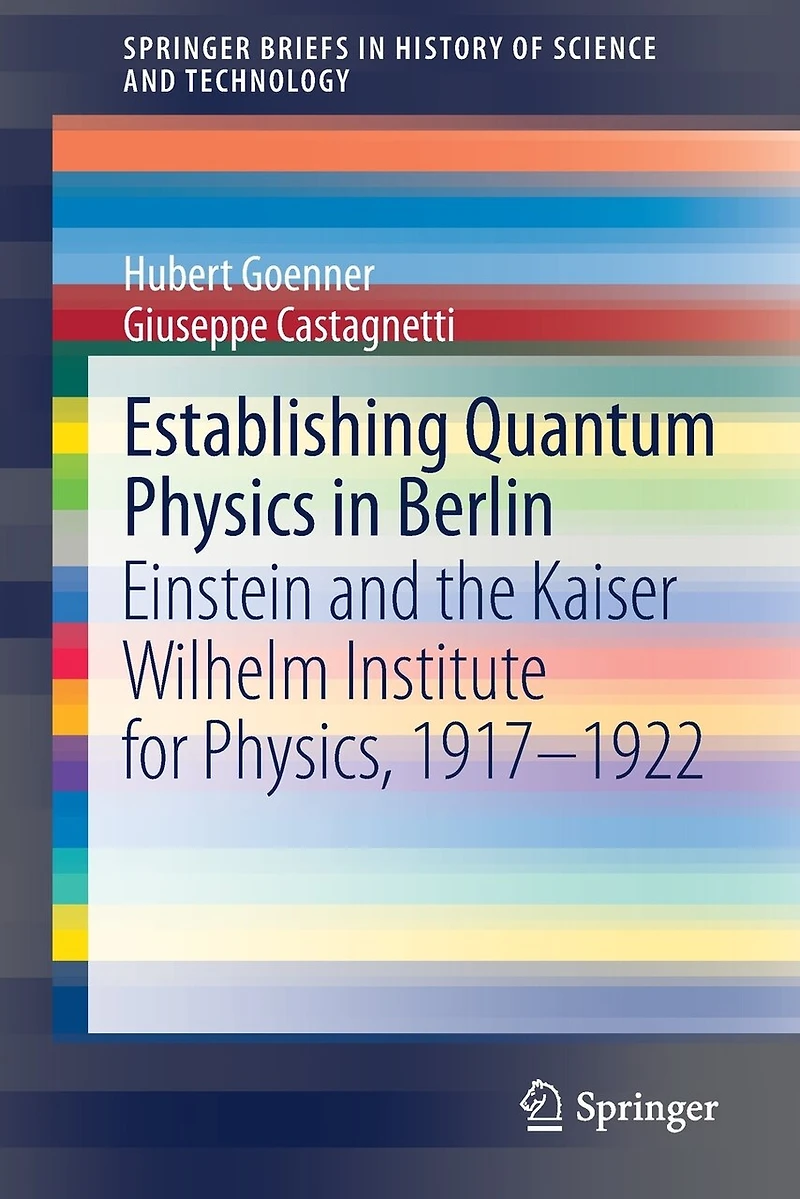
Establishing Quantum Physics Berlin: Einstein and the Kaiser Wilhelm Institute for Physics, 1917-1922 in Brampton, ON
Current price: $64.49
Original price: $80.62
Coles
Establishing Quantum Physics Berlin: Einstein and the Kaiser Wilhelm Institute for Physics, 1917-1922 in Brampton, ON
Current price: $64.49
Original price: $80.62
Loading Inventory...
Size: Kobo eBook
*Product information and pricing may vary - to confirm current pricing, availability, shipping, and return information please contact Coles. In the event of a pricing discrepancy, the retailer's price will apply.
This book explores Albert Einstein's move to Berlin and the establishment of the Kaiser Wilhelm Institute for Physics under his directorship. Einstein's call to Berlin was supported by a group of prominent physicists, including Fritz Haber, Walter Nernst, Max Planck, Heinrich Rubens, Emil Warburg, and the young astronomer Erwin Freundlich, in the expectation that Einstein and the institute would take the lead in advancing quantum physics in its early phase. Examining both the abortive attempt and the successful opening of the institute in 1917, it also discusses in detail the institute's activities up to 1922, when Einstein relinquished the directorship, as well as his reasons for stepping down. The final chapter evaluates the institute's activities and its role in the advancement of physics. In the end, the institute only partially fulfilled the expectations of its promoters because of the waning interest in quantum physics on the part of its director and board, and also because of Einstein's refusal to exert scientific leadership. The book is part of a series of publications in the SpringerBriefs series on the early network of quantum physics. The other books in the four-volume collection address the beginnings of quantum physics research at Göttingen, Copenhagen, and Munich. These works emerged from an expansive study on the quantum revolution as a major transformation of physical knowledge undertaken by the Max Planck Institute for the History of Science and the Fritz Haber Institute (2006-2012).For more on this project, see the dedicated Feature Story, The Networks of Early Quantum Theory, at the Max Planck Institute for the History of Science, https://www.mpiwg-berlin.mpg.de/feature-story/networks-early-quantum-theory
This book explores Albert Einstein's move to Berlin and the establishment of the Kaiser Wilhelm Institute for Physics under his directorship. Einstein's call to Berlin was supported by a group of prominent physicists, including Fritz Haber, Walter Nernst, Max Planck, Heinrich Rubens, Emil Warburg, and the young astronomer Erwin Freundlich, in the expectation that Einstein and the institute would take the lead in advancing quantum physics in its early phase. Examining both the abortive attempt and the successful opening of the institute in 1917, it also discusses in detail the institute's activities up to 1922, when Einstein relinquished the directorship, as well as his reasons for stepping down. The final chapter evaluates the institute's activities and its role in the advancement of physics. In the end, the institute only partially fulfilled the expectations of its promoters because of the waning interest in quantum physics on the part of its director and board, and also because of Einstein's refusal to exert scientific leadership. The book is part of a series of publications in the SpringerBriefs series on the early network of quantum physics. The other books in the four-volume collection address the beginnings of quantum physics research at Göttingen, Copenhagen, and Munich. These works emerged from an expansive study on the quantum revolution as a major transformation of physical knowledge undertaken by the Max Planck Institute for the History of Science and the Fritz Haber Institute (2006-2012).For more on this project, see the dedicated Feature Story, The Networks of Early Quantum Theory, at the Max Planck Institute for the History of Science, https://www.mpiwg-berlin.mpg.de/feature-story/networks-early-quantum-theory
You May Also Like



















Find at Bramalea City Centre in Brampton, ON
Visit at Bramalea City Centre in Brampton, ON