



Gifting Made Simple
Give the Gift of ChoiceClick below to purchase a Bramalea City Centre eGift Card that can be used at participating retailers at Bramalea City Centre.Purchase HereHome
Engaging Scripture: A Model for Theological Interpretation
Coles
Loading Inventory...
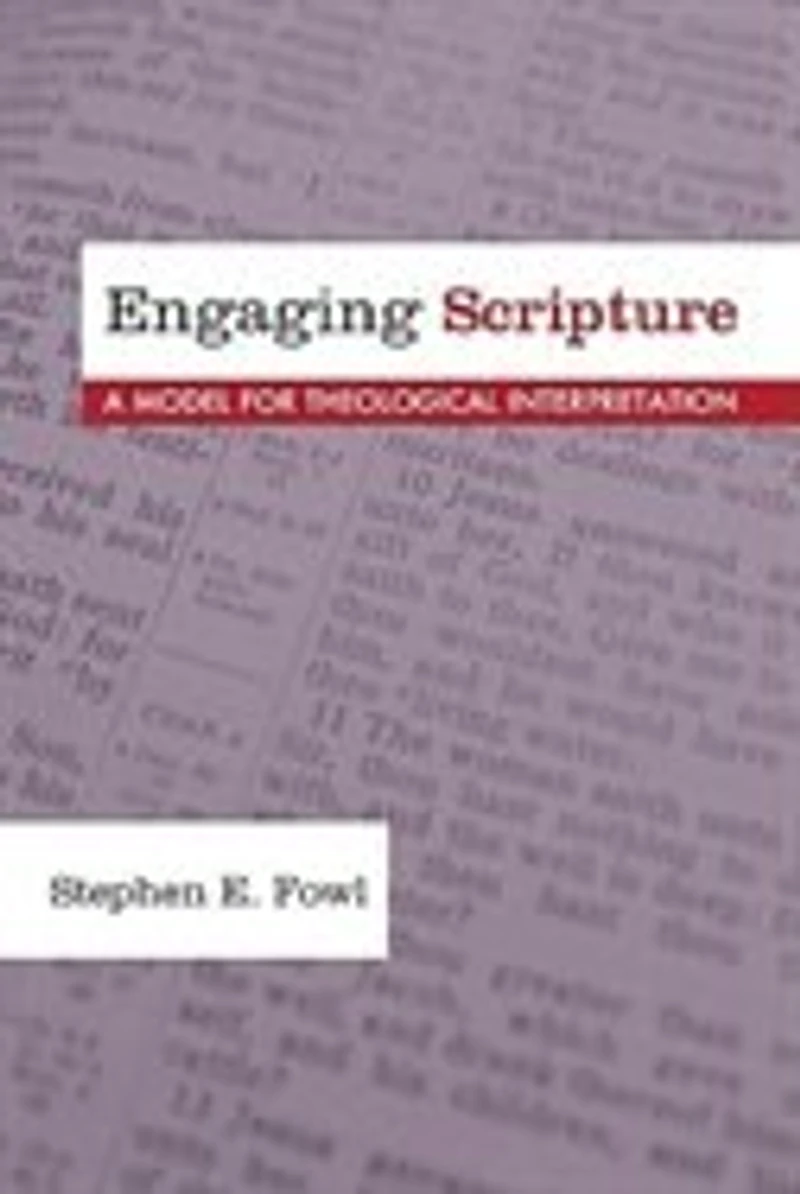
Engaging Scripture: A Model for Theological Interpretation in Brampton, ON
Current price: $41.00
Coles
Engaging Scripture: A Model for Theological Interpretation in Brampton, ON
Current price: $41.00
Loading Inventory...
Size: Paperback
*Product information and pricing may vary - to confirm current pricing, availability, shipping, and return information please contact Coles. In the event of a pricing discrepancy, the retailer's price will apply.
Engaging Scripture proposes that Christians must read Scripture theologically, redressing the recent domination of professional scholarship in this area by historical-criticism. Drawing on the best interpretive traditions of the past, Fowl develops, argues for and displays a new model for the theological interpretation of Scripture. This interpretive framework should enable Christians, and particularly Christian theologians, to interpret Scripture in a way that helps them to live and worship faithfully. Theological and theoretical questions are illustrated by reference to particular Christian convictions, practices, and concerns in the United States and Britain, and by engaging scriptural passages. These serve as examples of the sort of interpretation Fowl is advocating. In summary, the book looks toward bridging the chasm that arose between biblical studies and theological study following the rise of modernity.
Engaging Scripture proposes that Christians must read Scripture theologically, redressing the recent domination of professional scholarship in this area by historical-criticism. Drawing on the best interpretive traditions of the past, Fowl develops, argues for and displays a new model for the theological interpretation of Scripture. This interpretive framework should enable Christians, and particularly Christian theologians, to interpret Scripture in a way that helps them to live and worship faithfully. Theological and theoretical questions are illustrated by reference to particular Christian convictions, practices, and concerns in the United States and Britain, and by engaging scriptural passages. These serve as examples of the sort of interpretation Fowl is advocating. In summary, the book looks toward bridging the chasm that arose between biblical studies and theological study following the rise of modernity.








Find at Bramalea City Centre in Brampton, ON
Visit at Bramalea City Centre in Brampton, ON